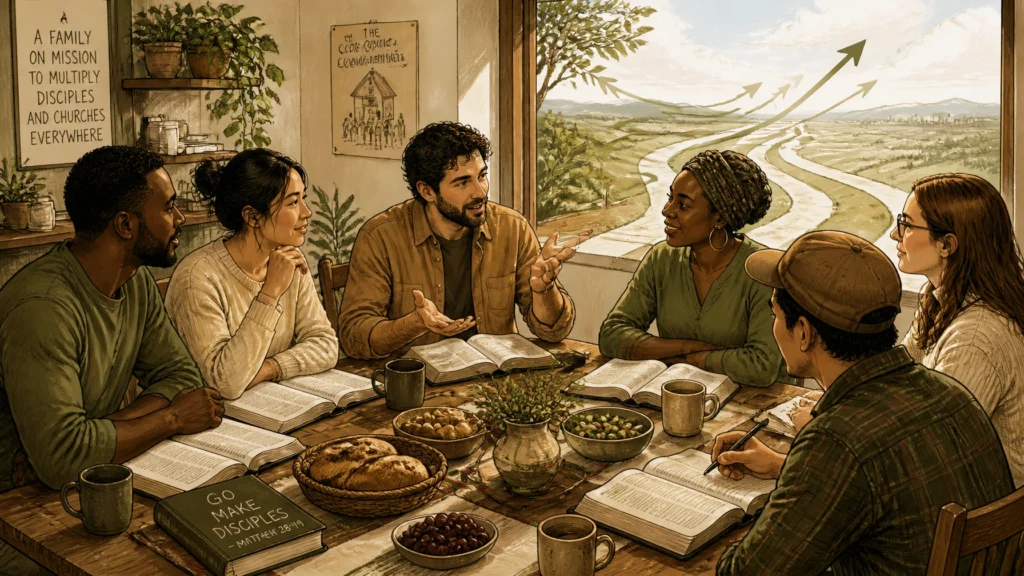
Let’s be honest: Most of us didn’t get into ministry just to manage a calendar or keep a building from falling apart. We got into this because we wanted to see lives changed. We wanted to see the Kingdom of God expand in our cities.
But somewhere along the way, it’s easy to get stuck in the "addition" trap. We work harder and harder to add one or two people to the pews, while the world around us seems to be moving faster than we can keep up with.
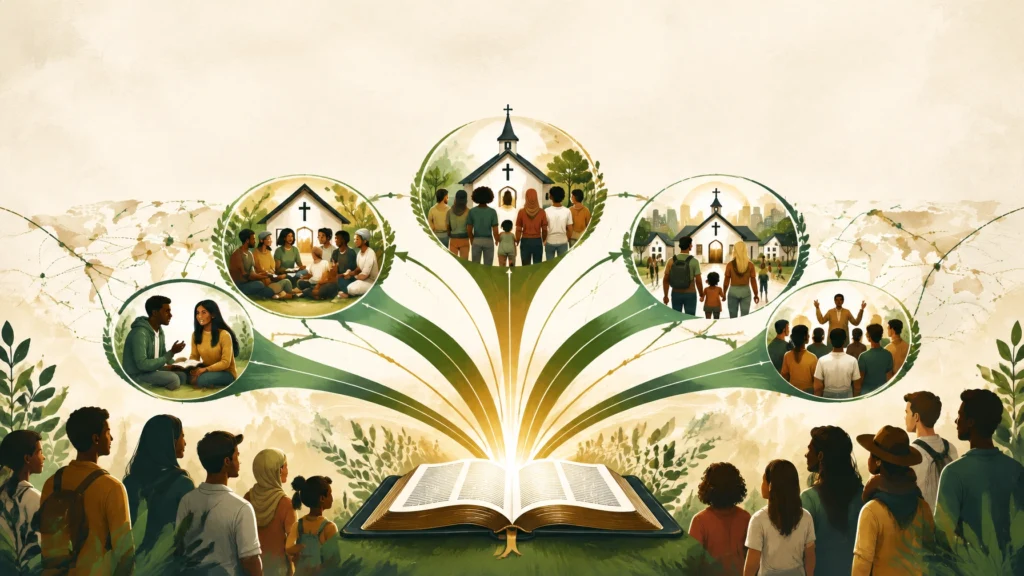
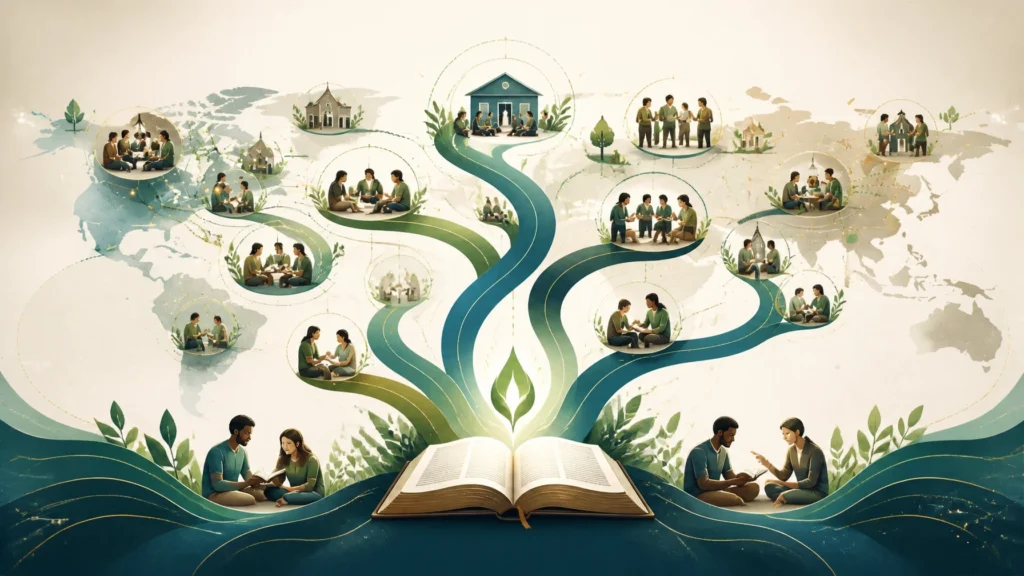
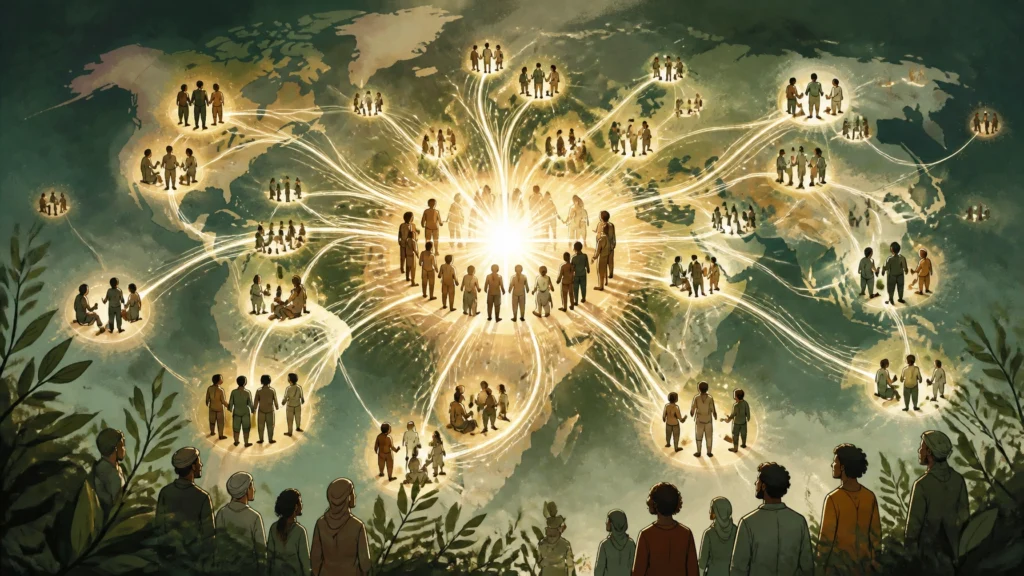
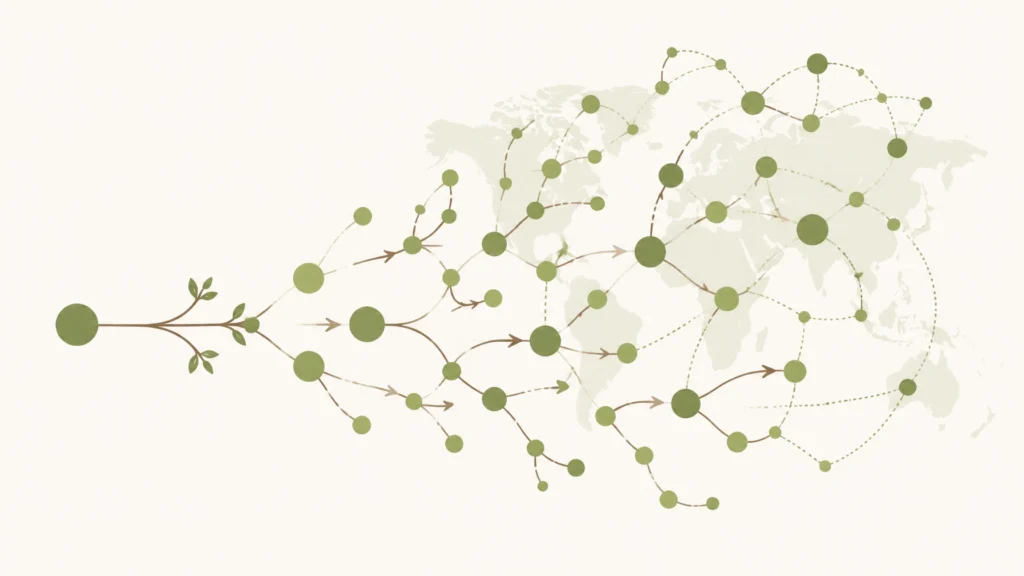
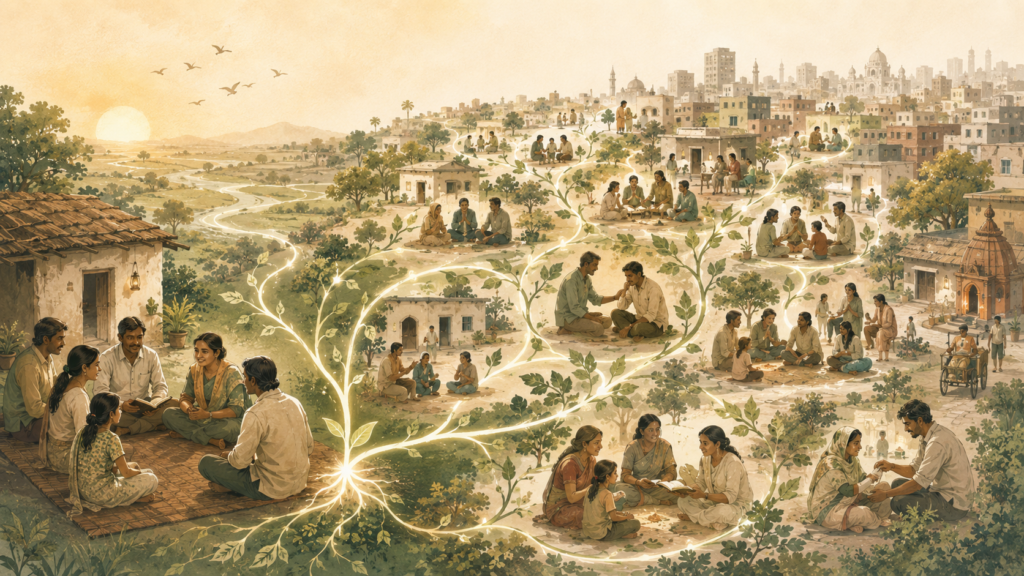
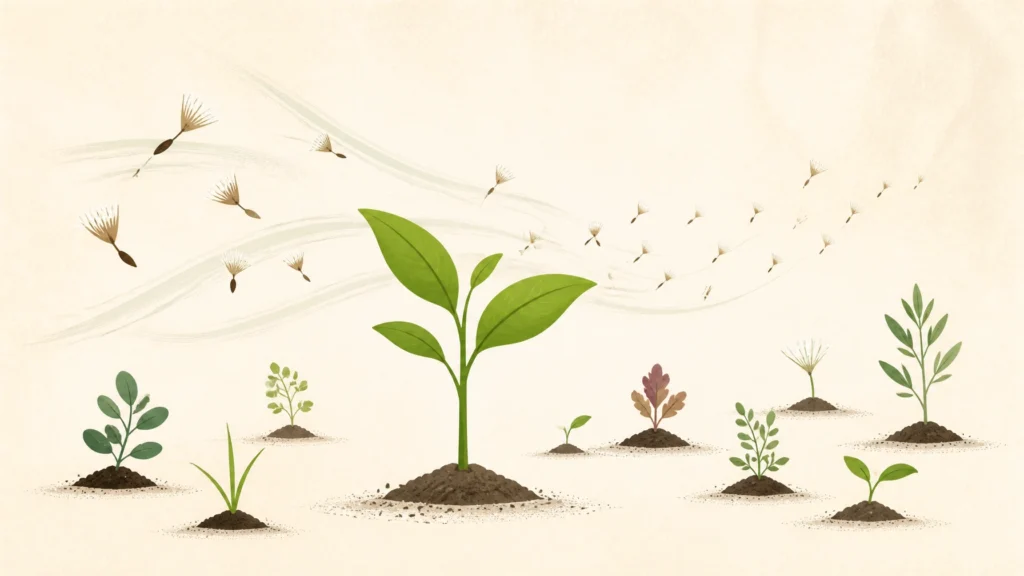
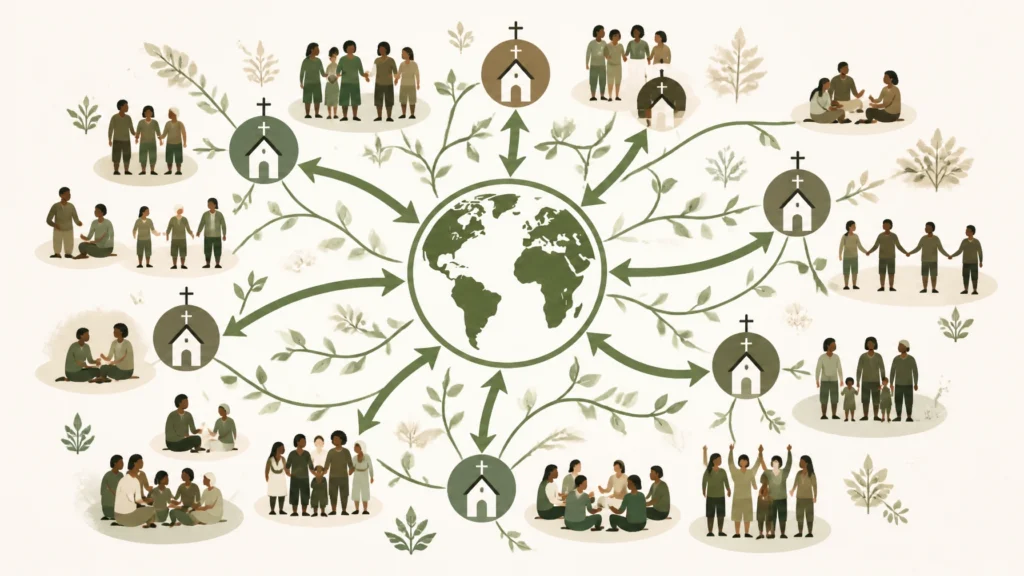
The future of the Church isn’t addition. It’s multiplication.
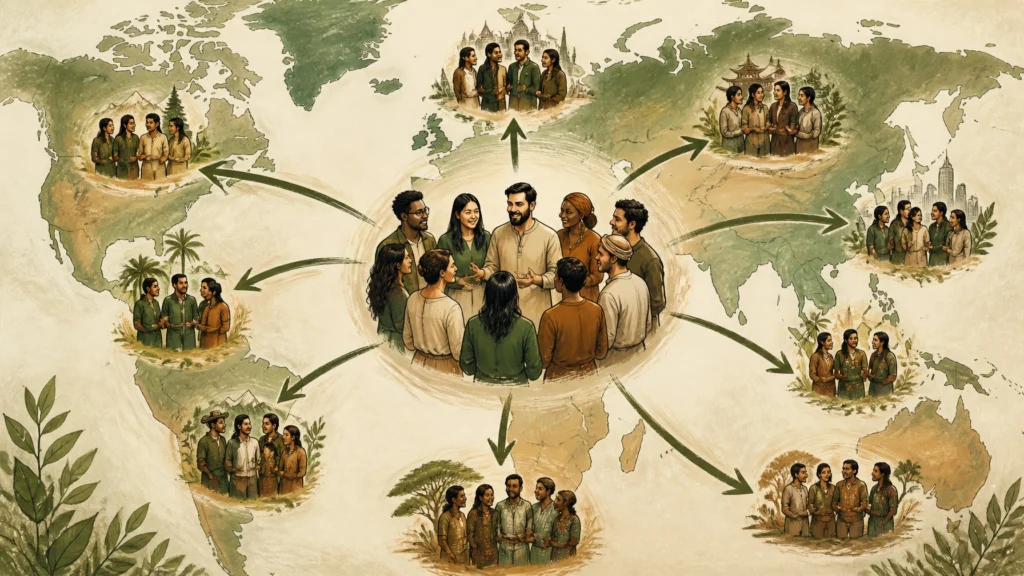
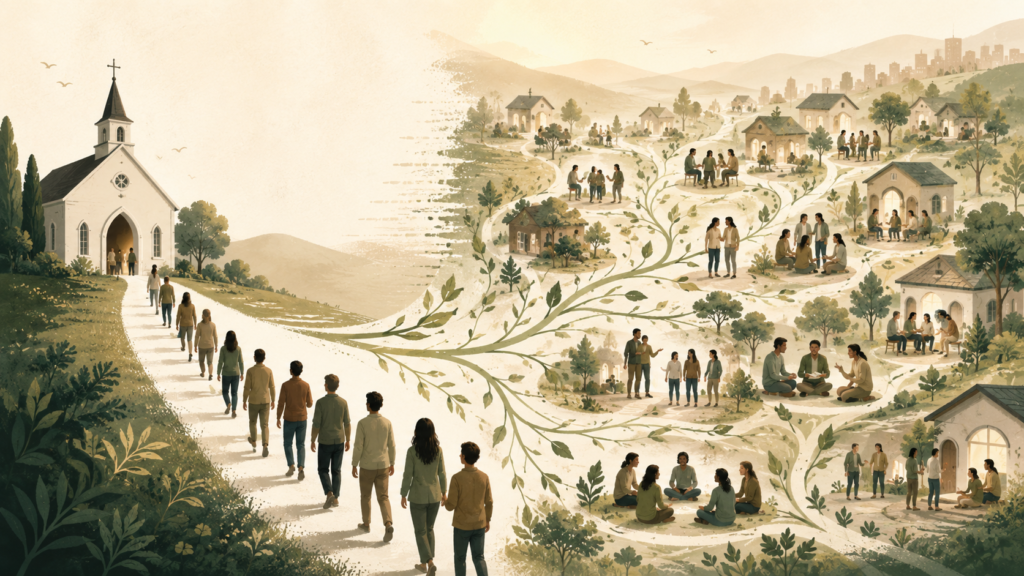
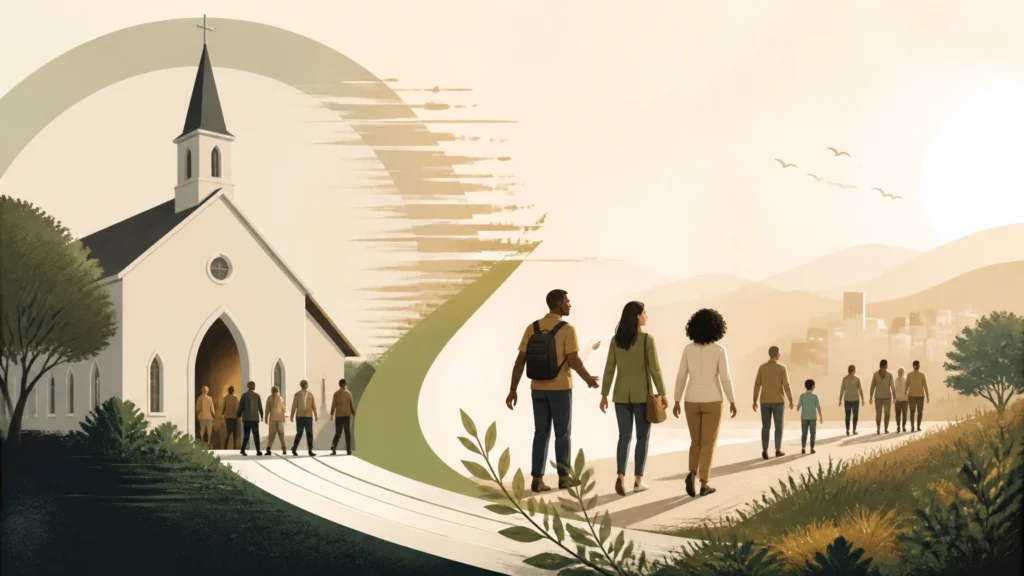
If we want to reach our communities, we have to stop trying to do everything ourselves and start building a movement. We need to move from gathering crowds to sending disciple-makers. We need to shift from being the "sage on the stage" to becoming catalysts for an exponential move of God.
Here is a simple, field-tested 5-step guide to help you build a disciple-making movement (DMM) and scale your impact.
Step 1: Let God Change You Before You Change the Church
Disciple-making movements don’t start with a clever program or a shiny new website; they start with a person who is fully surrendered. Before you can ask your congregation to live on mission, you have to be living it yourself.
In The Real Jesus: Volume 1 (The Path to Purpose), we see that Jesus didn’t just give instructions; He modeled a lifestyle. He invites us to "Follow me" before He ever tells us to "Go."
As a pastor, you have to personally model what you want your church to become. You have to move from "I run church activities" to "I make disciples who make disciples." This means letting God shift your personal metrics of success. It’s no longer about attendance, buildings, and cash. It’s about disciples, groups, and obedience.
Practices to adopt:
- Prioritize prayer and the Word: Set a daily block of time for Scripture and prayer that is non-negotiable.
- Ask God for a burden: Pray, “Lord, give me Your heart for the lost in my city and show me how to multiply disciples here.”
- Start small: Before you roll out a church-wide initiative, personally disciple 2–3 people in a way that they can reproduce.

Step 2: Clarify the Target – What Is a Disciple?
If you don’t know what you’re trying to make, you can’t multiply it. One of the biggest hurdles in the modern church is that everyone has a different definition of what a "good Christian" looks like. Is it someone who attends three out of four Sundays? Someone who gives? Someone who serves on the greet team?
You need a clear, simple, repeatable definition of a disciple. Every leader: from your staff to your small group hosts: should be able to say it in their sleep.
In the NIV, Matthew 4:19 says: "Come, follow me," Jesus said, "and I will send you out to fish for people."
There it is. A disciple is someone who follows Jesus, is being changed by Jesus, and is committed to the mission of Jesus.
How to do it:
- Create a simple picture: Keep your definition short enough to memorize.
- Teach it everywhere: Preach it, put it on the walls, and include it in your new member materials.
- Celebrate the right things: Stop only celebrating "how many came." Start celebrating stories of obedience, people coming to faith, and new groups starting.

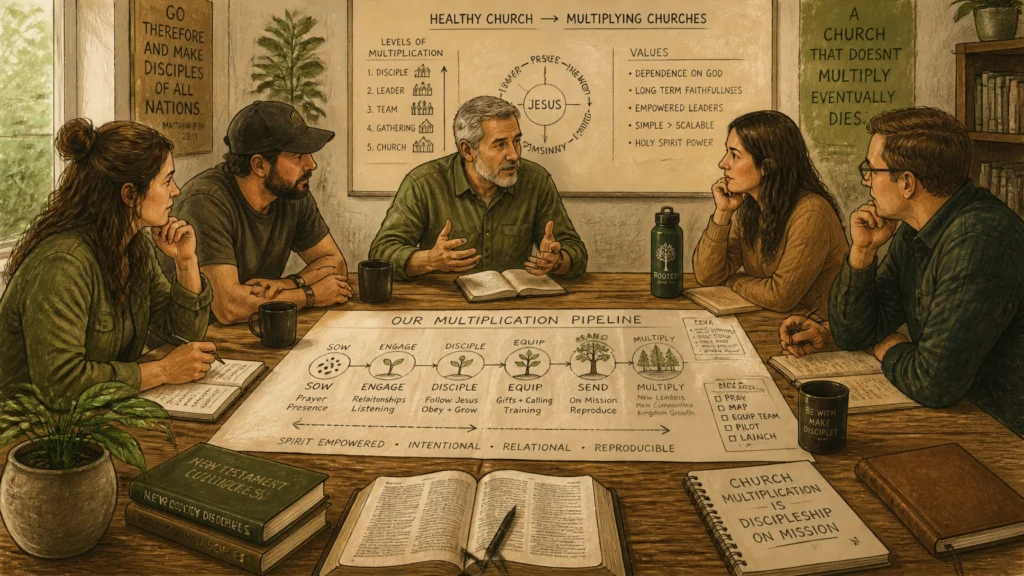
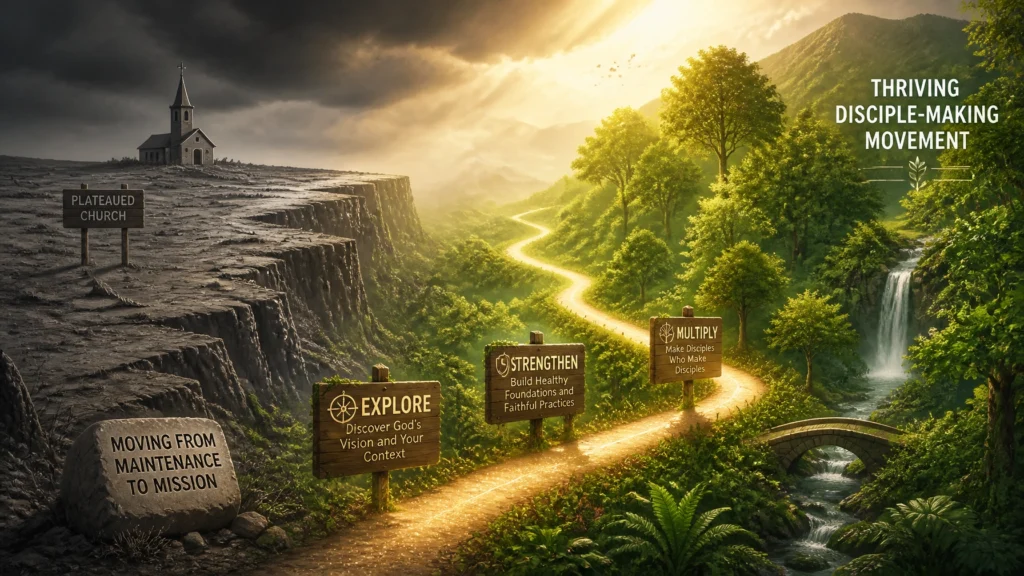
Step 3: Build a Simple, Reproducible Disciple-Making Pathway
Movements grow when there is a clear, simple pathway that anyone can follow. If your process is too complex, it will stall. If it requires a Ph.D. in theology to lead a group, you will never scale your impact.
You have to simplify your ministry so that everything feeds disciple-making. At Family Network, we focus on a "vision-first" alignment that moves people through specific tiers of growth.
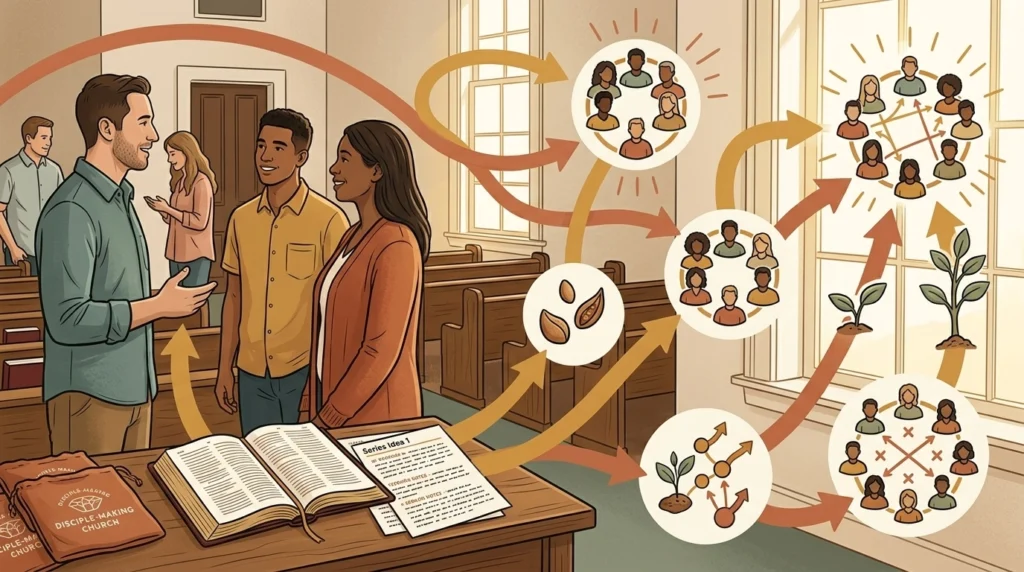
The 4-Stage Pathway:
- Explore: This is where people encounter Jesus and His Word for the first time. We use tools like Discovery Bible Study (DBS) to help them hear the Gospel and take first steps of obedience.
- Establish: New believers learn basic obedience. They learn to pray, read the Word, and fellowship.
- Equip: Believers learn to make disciples. They aren't just consumers; they are being trained to share their testimony and lead others.
- Empower: Disciples are sent to start new groups in their homes, workplaces, or neighborhoods. You move from being the leader to being the coach.
✔ Simple enough for a new believer to explain.
✔ Focused on obedience, not just knowledge.
✔ Scalable across different locations and contexts.

Step 4: Go Where People Are and Find "People of Peace"
The "attractional" model of church: where we spend all our energy trying to get people to come to our building: has its limits. To catalyze a movement, we have to go into the world.
In Luke 10, Jesus sends out the seventy-two and tells them to look for a "person of peace." This is someone who is spiritually open and has influence within their own network of relationships.
Instead of trying to pull everyone into your church events, train your people to plant the Gospel where they already live, work, and play.
How to engage:
- Identify networks: Ask your members where they already have relationships (gyms, offices, schools).
- Train them to share: Give them a 3-minute version of their testimony and a simple way to share the Gospel.
- Start Discovery Groups: Use a simple format: What are you thankful for? What does this passage say about God? How will you obey this week?

Step 5: Track Multiplication and Build a Coaching Structure
If you can’t see it, you can’t steward it. But be careful: if you try to centralize everything, you will choke the movement. The goal is strategic alignment, not total control.
You need to track "generations." It’s not just about the people you disciple; it’s about the people they disciple, and the people those people disciple. That is where exponential growth happens.
As the movement grows, you must shift your role. You cannot shepherd 500 people individually, but you can coach 5 leaders who each coach 5 leaders.
What to track:
- New Disciples: Baptisms and new commitments to Christ.
- Groups: How many simple churches or disciple-making groups are meeting?
- Generations: Are we reaching the 2nd, 3rd, and 4th generation of disciples?
- Obedience: Are people actually doing what the Word says?
The Real Jesus: Volume 2 (The Power of Presence) reminds us that the Holy Spirit is the one who truly scales the impact. Our job is to provide the structure and the coaching to support what He is doing.
Join the Movement
Building a disciple-making movement isn’t about working harder; it’s about working differently. It’s about trading the "addition" mindset for a "multiplication" vision.
The world needs more than just bigger church services. It needs a movement of people who are following the Real Jesus and making His name known in every corner of society.
At Family Network, we are here to walk alongside you. We want to help you catalyze this culture shift in your church and provide the strategic resources you need to scale your impact.
The future of the Church is in your hands: and it’s a future of multiplication.
By Dr. Adam Grill
High-Impact Social Media Clip
"The future of the Church isn’t addition. It’s multiplication. Stop just gathering a crowd and start building a movement. Check out our latest guide for pastors on how to build a Disciple Making Movement and scale your impact! 🚀 #DiscipleMaking #ChurchGrowth #FamilyNetwork #Multiplication"
[Link to Blog Post]