In the gospels, we see Jesus often ministering to large crowds of people, healing them and teaching them (Mt. 4:24-25; 8:16-18, + 30 other times…). We even get some numbers, like with the feeding of the 5000 and 4000, sitting in circles of about 50 people.
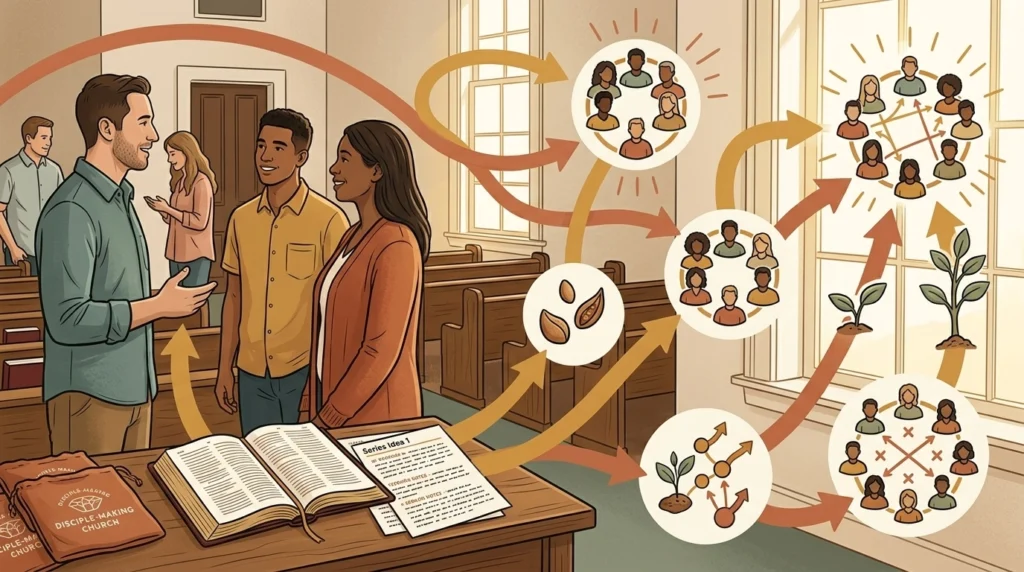
Yet, Jesus also intentionally chose to multiply disciple-makers on the way to the cross in smaller, relational orbits (Matthew 10, Luke 10). We even get some numbers: 12 (in six pairs) and 72 (the six pairs now each have six pairs about 18 months later).
Crowd numbers can fluctuate rapidly, day by day, week by week. They tell you something constructive (as they grow) and insightful when then don’t (like in John 6:60-71). Even crowds of baptized disciples were falling away in great numbers as the cost of following Jesus escalated.
But while the multitudes melted away, the multipliers stayed. “Lord, to whom should we go? You have the words of eternal life. We believe and know that you are the Holy One of God.”
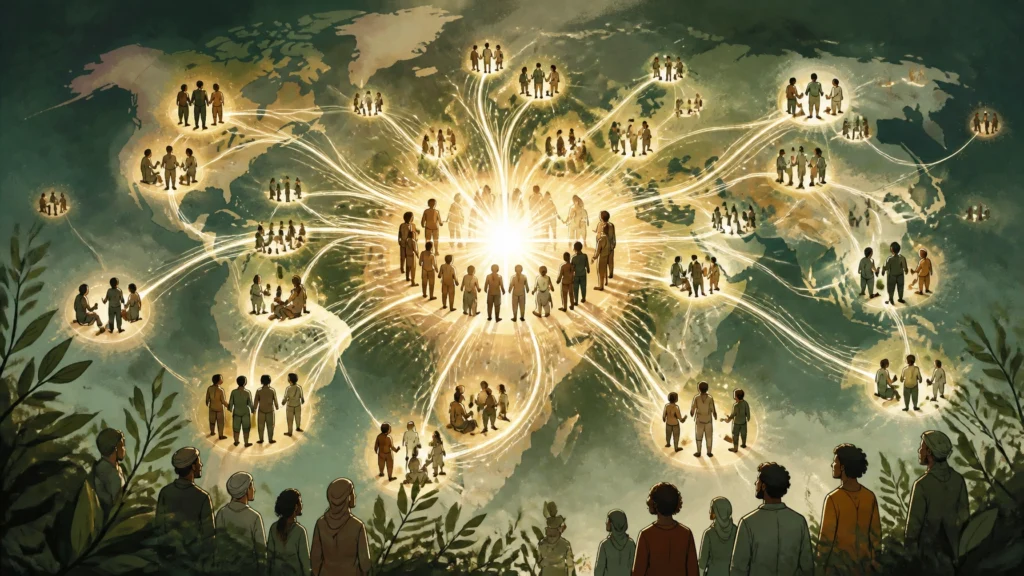
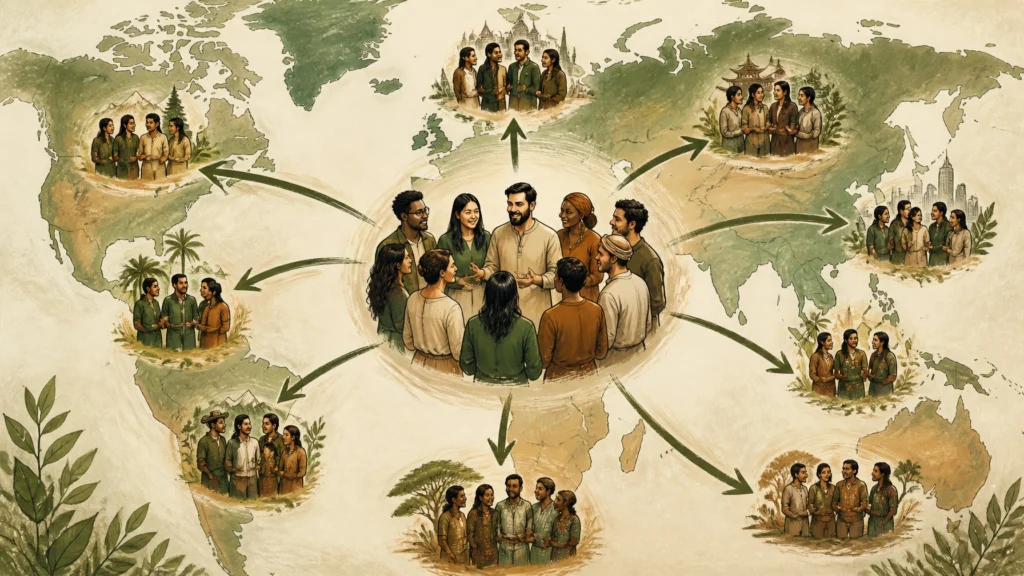
Question: In Jesus’ Great Commission strategy to reach the whole world with his love and power, was it the crowds he relied on or the disciple-making multipliers? Matthew 28:18-20 makes it clear the small group of disciple-makers were the key to reaching larger numbers of people than Jesus ever saw at one time. To reach the tens of thousands and tens of millions in the multitudes, Jesus depended on disciples who would make strong disciples who in turn would make other disciples going five, ten, or fifteen generations deep. The multipliers would reach an even greater multitude, not of just followers, but of life-changing disciple-makers.
You get more of what you measure. The North American church has relied on worship attendance statistics to give a snapshot of the scale and scope of a church week by week. And financial income numbers. Nothing wrong with that, but it may be incomplete information. What do we learn from the 2020 pandemic when our worship attendance numbers on Sunday in a church building go to zero, or stay reduced for a prolonged time?
The DRR (Disciple-Making Reproduction Rate) is designed to compare both sides of this equation, the multitude and the multipliers. Calculate the DRR by dividing the number of new Christians enfolded into the church annually by the average total worship attendance. (example: 3 new Christians reached that year by the current number of followers of Jesus in average worship service of say 80, and you would get 3 divided by 80 = 3.75%. Or a larger church with 9 new baptized disciples that year with 425 in worship would have a DRR of 2.1%)
Many churches in our culture today have DRR’s of less than 5%, or even under 1%. The global south today and the New Testament Church with their multiplication mindset have had rates exceeding 100% a year, or even 1000% (ten times!). That is truly exponential growth, with the new birth rate of the Kingdom of God outpacing the natural birth rate in an area or people group.
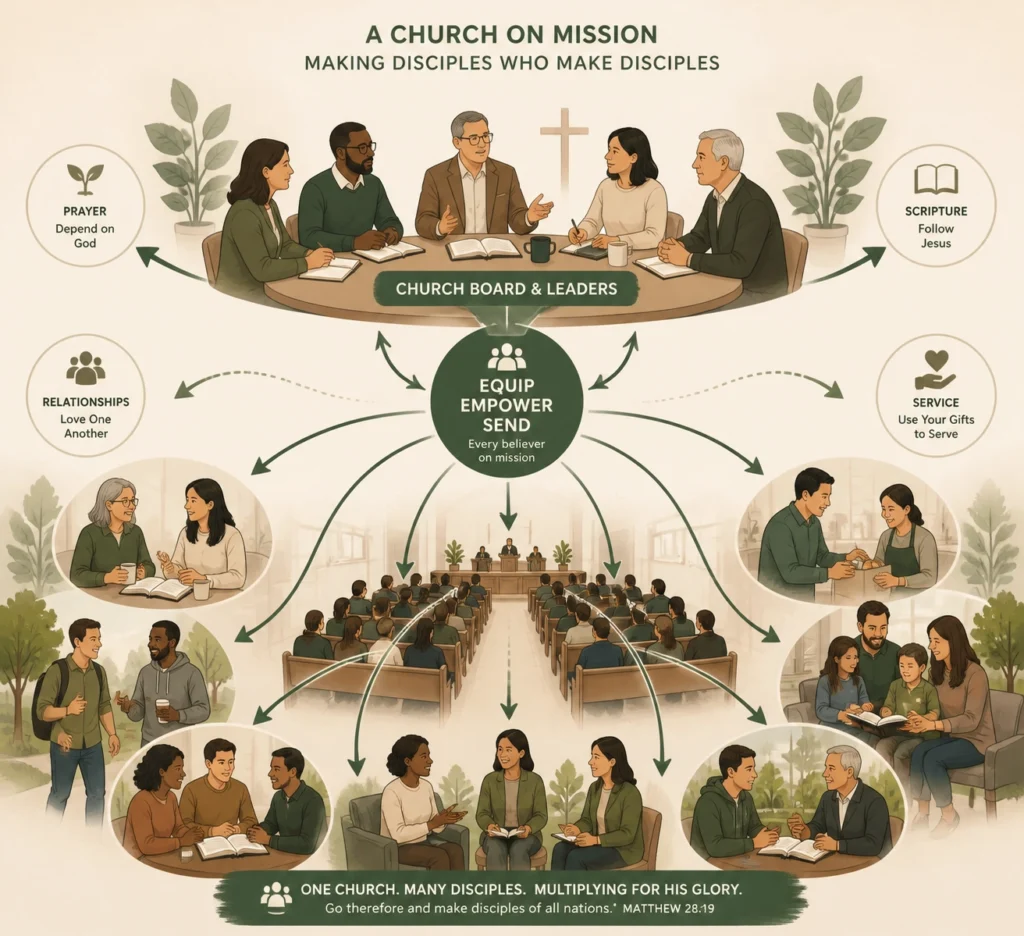
Can we learn by making Jesus our model of ministry again to increase our personal DRR and church DRR? Can we raise our expectations a little and get more of what we measure intentionally? Do the current disciples of Jesus in our churches feel equipped and empowered to multiply into other disciples to their third and fourth generation, as in 2 Timothy 2:2?

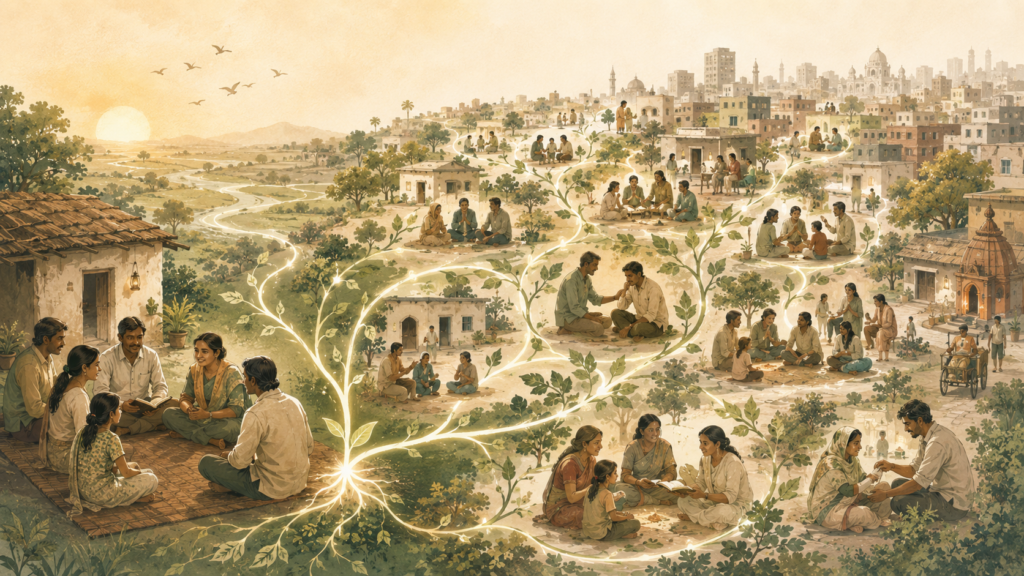
God’s operating system from Genesis to Revelation is multiplication, both in creation and new creation work. Most of our fruit can be seen in the third and fourth generation branches from us, and beyond. Are you, as a disciple-maker, and your church working with a Kingdom multiplication mindset instead of addition mentalities, subtraction or even division?
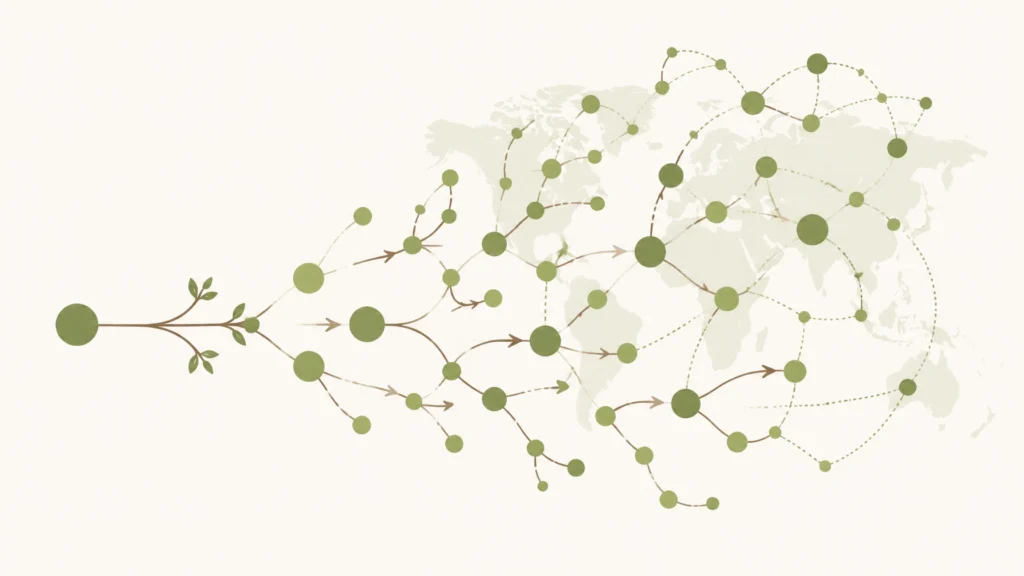
Here’s a sample of how exponential things can get in a few generations of intentional faithfulness. Think in terms of going five disciple-makers wide and five generations in length in five years. 5+25+125+625+3125. The total is 3905! Put that alongside the average size church in America, by the end of year three you have a church filled with disciple-makers that is 66% larger than the average church of 75 people in America. You are a very good shepherd! By the end of year four, you have a church bigger in size than 90% of American churches, and by year five, a genuine megachurch that puts you almost among the top 100 largest churches in America! (4328 is that number this year from Outreach Magazine’s Top 100 churches.)
Or with another picture of exponential growth, what does the number 1 million mean to you? Pretty huge number…and also the number of disciple-makers in your family tree in 20 years if you disciple one person a year (teach them to obey all Christ commanded us in the gospels…about 50 commands of Christ there). You disciple well one new person each year for twenty years straight, and ensure your disciples do the same the next nineteen years, or eighteen years, and you a million people trained fully in the simple and reproducing ways of Jesus in 20 years.
Again, Jesus’ Great Commission strategy relied on the multipliers more than the multitudes to get his message and life transferred to more people. And the multipliers ultimately out-pace the multitude anyway, so let’s get more of what we measure with some higher expectations set for our Disciple-Maker Reproduction Rate (DRR) both as a church and as disciples of Jesus.

God’s operating system from Genesis to Revelation is multiplication, both in creation and new creation work. Most of our fruit can be seen in the third and fourth generation branches from us, and beyond. Are you, as a disciple-maker, and your church working with a Kingdom multiplication mindset instead of addition mentalities, subtraction or even division?
Here’s a sample of how exponential things can get in a few generations of intentional faithfulness. Think in terms of going five disciple-makers wide and five generations in length in five years. 5+25+125+625+3125. The total is 3905! Put that alongside the average size church in America, by the end of year three you have a church filled with disciple-makers that is 66% larger than the average church of 75 people in America. You are a very good shepherd! By the end of year four, you have a church bigger in size than 90% of American churches, and by year five, a genuine megachurch that puts you almost among the top 100 largest churches in America! (4328 is that number this year from Outreach Magazine’s Top 100 churches.)
Or with another picture of exponential growth, what does the number 1 million mean to you? Pretty huge number…and also the number of disciple-makers in your family tree in 20 years if you disciple one person a year (teach them to obey all Christ commanded us in the gospels…about 50 commands of Christ there). You disciple well one new person each year for twenty years straight, and ensure your disciples do the same the next nineteen years, or eighteen years, and you a million people trained fully in the simple and reproducing ways of Jesus in 20 years.
Again, Jesus’ Great Commission strategy relied on the multipliers more than the multitudes to get his message and life transferred to more people. And the multipliers ultimately out-pace the multitude anyway, so let’s get more of what we measure with some higher expectations set for our Disciple-Maker Reproduction Rate (DRR) both as a church and as disciples of Jesus.