The American church is currently facing a $40 billion problem.
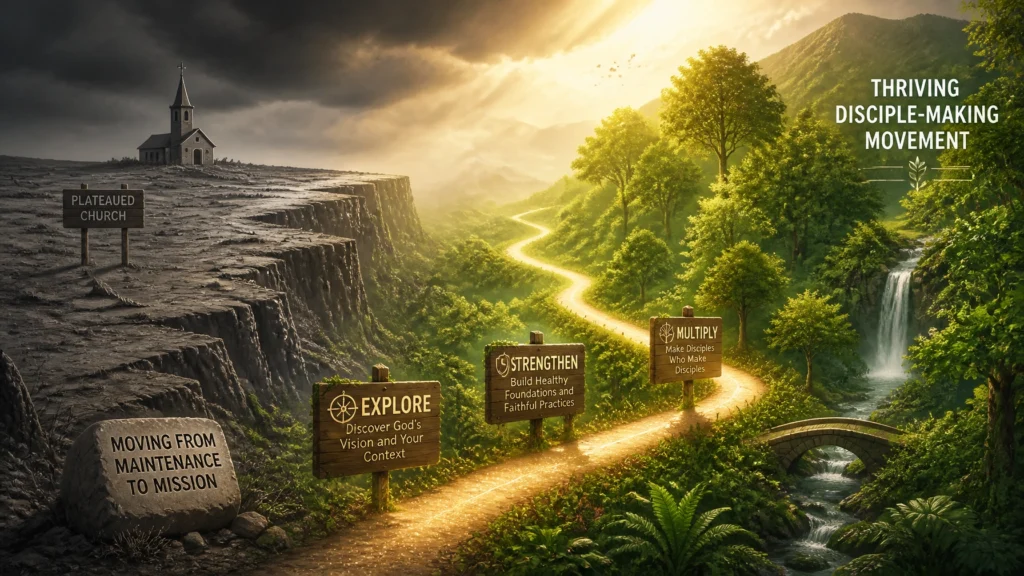
That is the approximate amount of annual giving that maintains an inward focus for over 300,000 churches across the northern hemisphere. These churches are essentially drowning in a sea of lost people while demonstrating virtually no disciple-making movement. They are experts at maintenance, but they have forgotten the mission.
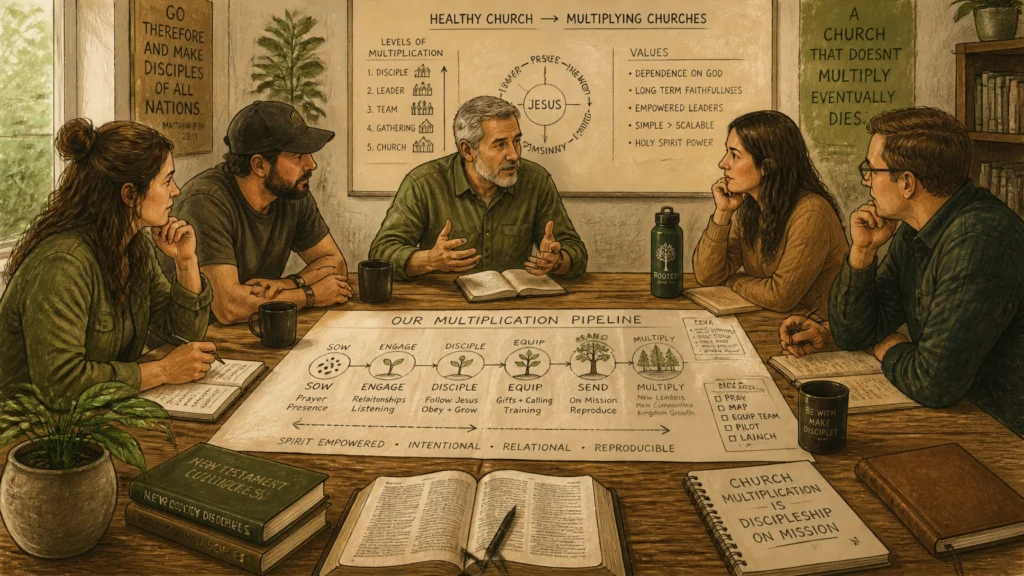
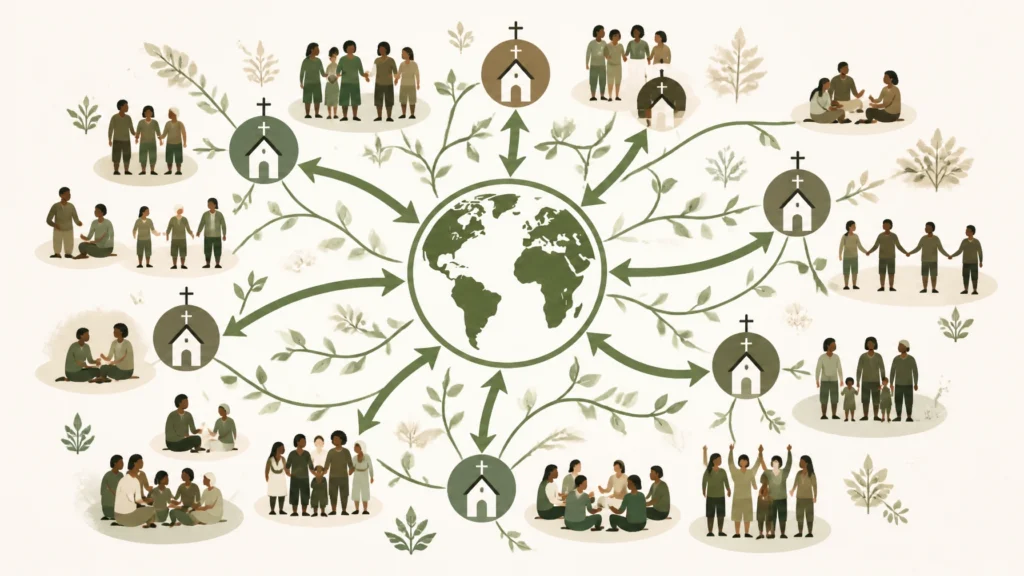
The future of the Church isn’t addition. It’s multiplication.
If you are a pastor or a church leader, you know the pressure to measure success by the “Big Three”: Attendance, Buildings, and Cash. But if those are your only metrics, you might be measuring how well you are gathering a crowd, not how well you are making disciples.
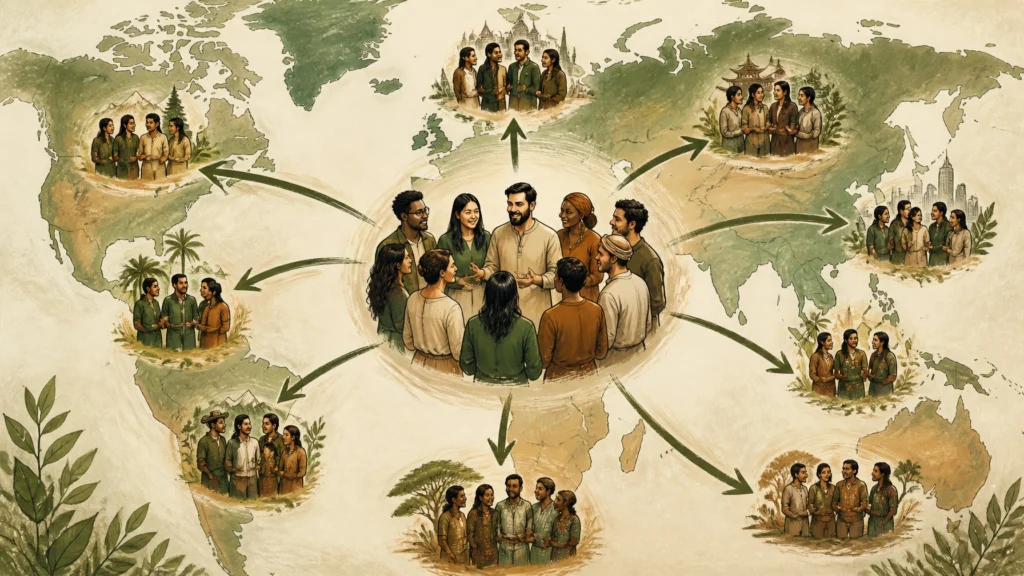
The Great Commission in Matthew 28:19-20 (NIV) is clear: “Therefore go and make disciples of all nations, baptizing them in the name of the Father and of the Son and of the Holy Spirit, and teaching them to obey everything I have commanded you.”
Jesus didn’t command us to build big rooms; He commanded us to build big people who build other people. To shift your church from maintenance to mission, you have to change what you measure.
Here is a 5-step guide to measuring your disciple-making culture.
1. Define the “Win” (The Picture of a Disciple)
You cannot measure what you have not defined. Most churches have a vague idea of what a “good Christian” looks like, but a vague target is impossible to hit.
In The Real Jesus: Series One, we explore how the actual Jesus of the Gospels didn’t just call people to believe: He called them to follow, to be changed, and to join His mission. To measure your culture, you must first create a clear “Picture of a Disciple.”
Ask yourself: If our church was 100% successful, what would a member look like in three years?
- Do they know how to share their faith?
- Are they actively discipling someone else?
- Is their life characterized by the fruit of the Spirit?
Stop measuring seating capacity and start measuring sending capacity.
2. The Leadership “Modeling” Scoreboard
Culture is caught, not taught. It flows from the top down. If your leadership team: your elders, pastors, and staff: are not actively making disciples, your congregation won’t either.
The first metric you should track is the percentage of your leadership team actively discipling at least 2–3 people outside of their immediate family.

If your staff is too busy “running programs” to actually sit across a table with a new believer and walk them through the foundations of the faith, you have a professionalization problem.
✔ Key Metric: Number of leaders who can name the specific individuals they are currently discipling and who is discipling them.
The goal is strategic alignment. We want to move from “gathering crowds” to “sending disciple-makers.”
3. Track the “M” Word: Multiplication
In the Family Network, we focus on five interconnected ministry pathways: Explore, Multiply, Strengthen, Partner, and Integrate. To measure a healthy culture, you must look specifically at the Multiply pathway.
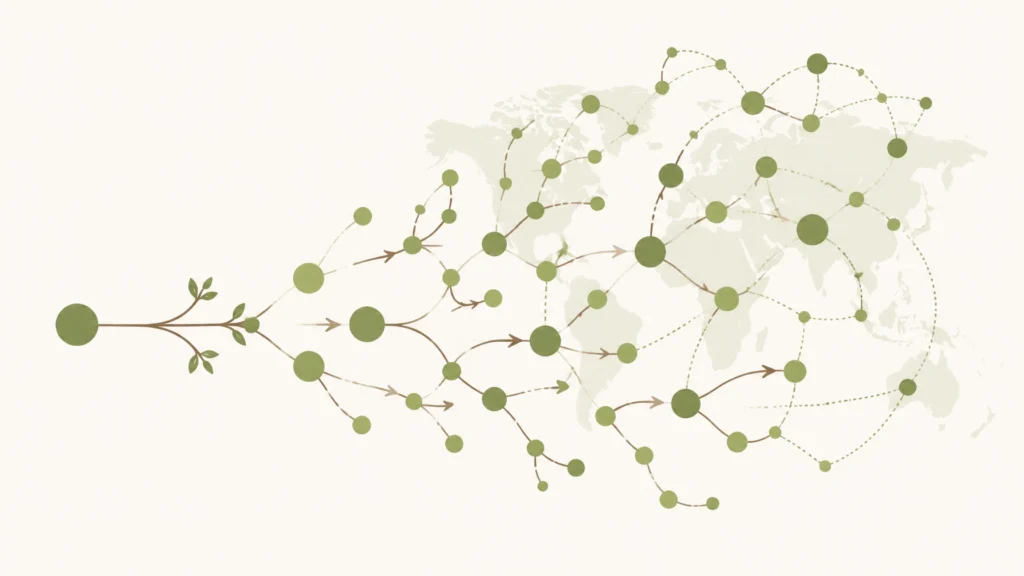
Addition is when you add one person to your small group. Multiplication is when that person starts a new group of their own.
- Generation 1: You disciple “John” and “Andrew.”
- Generation 2: John and Andrew disciple “Mark,” “Shari”, “Emily” and “Daniel”. And you disciple two more as well, in like a six month time period.
- Generation 3: Now the nine of you can each invest in two more people with intentional disciple-making relationships and the circle grows to 27.

When you reach the fourth generation, you no longer have a program; you have a movement of over 80 disciple-makers. Use your church management software or an Excel spreadsheet to track not just who is in a group, but who started a group because they were discipled by a previous leader.
4. The Relationship Ratio (Triads and Groups)
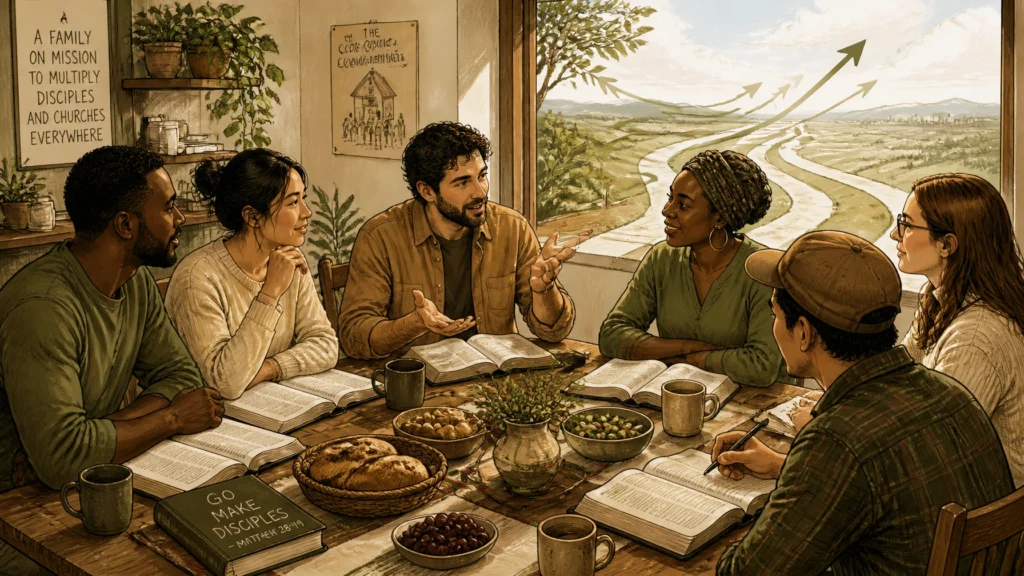
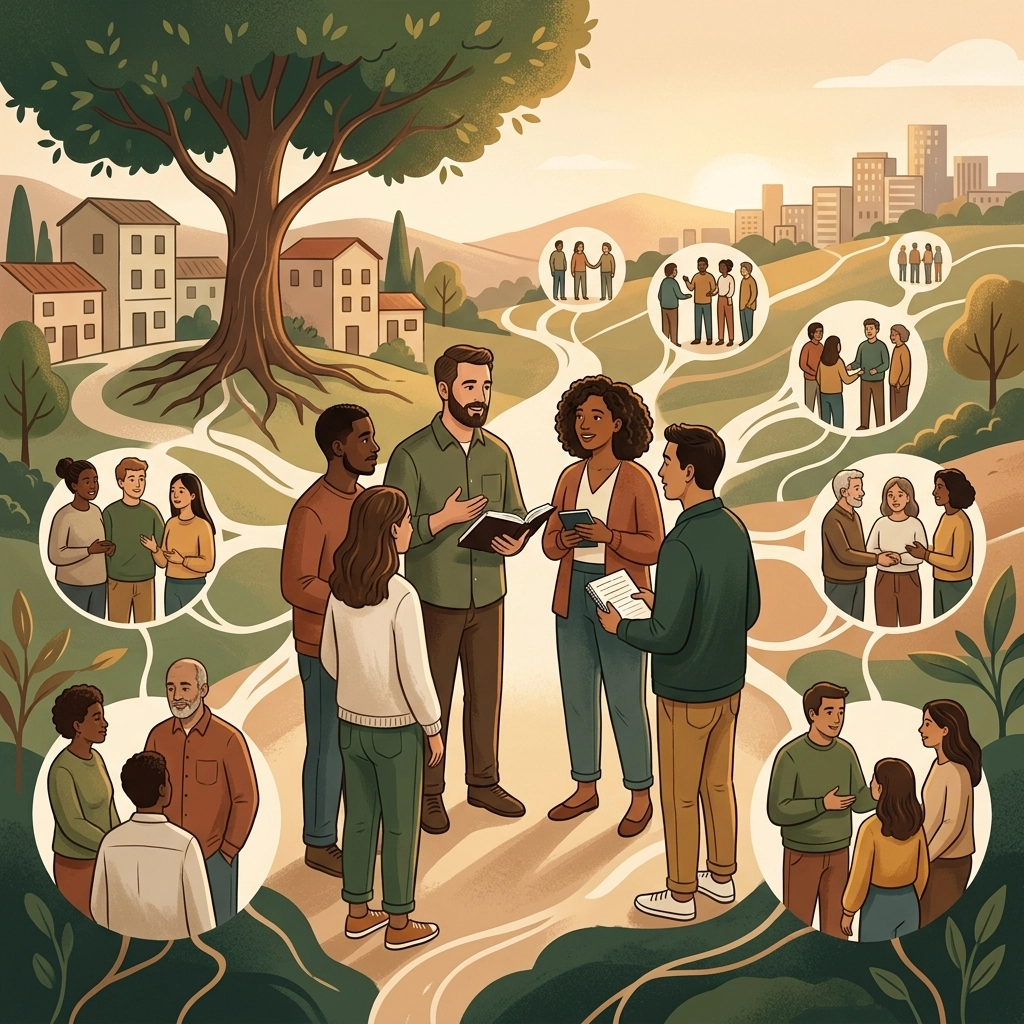
A disciple-making culture is built on the foundation of intentional, relational proximity. People don’t grow in rows; they grow in circles.
Measure the percentage of your regular attenders who are in an intentional discipling relationship. We aren’t just talking about attending a Sunday school class where they listen to a lecture. We are talking about “triads” or small huddles where there is high accountability and high grace.
✔ Checklist for your members:
- ✔ Can they answer: “Who is discipling me?”
- ✔ Can they answer: “Whom am I discipling?”
- ✔ Are they meeting at least twice a month for prayer and Word?

If only 10% of your church is in these types of relationships, your culture is still focused on consumption. If that number climbs to 40% or 50%, you are catalyzing a culture shift.
5. Audit Your Pathway (Strategic Alignment)
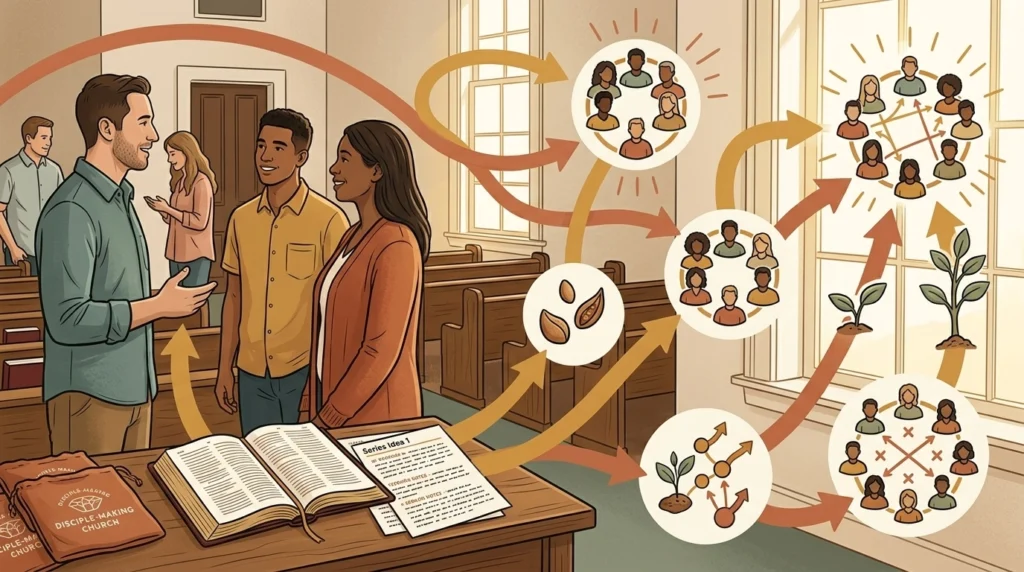
Finally, you must measure the effectiveness of your “on-ramps.” At Family Network, we provide the tools to help you move people through a clear pathway.
Are your “Explore” events (like conferences or seeker studies) actually moving people into the “Multiply” phase? Or are people getting stuck in the “Strengthen” phase, where they consume resources but never actually reproduce?
You need to audit your systems:
- The Explore Tier: Are we reaching the lost or just swapping sheep?
- The Strengthen Tier: Are our sermon series and children’s ministry tools equipping parents to be the primary disciple-makers at home?
- The Integrate Tier: Are our campuses or plants multiplying or just replicating a Sunday morning show?

From Maintenance to Mission
Measuring these things will be sobering. It’s much easier to count heads than it is to count heart-change. But we cannot afford to keep spending $40 billion a year to maintain a status quo that isn’t reaching the world.
The shift to a disciple-making culture is not a quick fix; it is a long-term investment in the Kingdom. It requires transformative coaching and a willingness to stop doing things that don’t produce fruit.
Are you ready to stop counting attenders and start counting disciple-makers?
We want to come alongside you. Whether you are a solo pastor in a rural town or a leader of a multi-site movement, the principles of the Great Commission are the same.
Let’s start a conversation. You don’t have to do this alone. Join the movement and let’s spark a disciple-making revolution together.
Dr. Adam Grill
CEO, Family Network
🎥 High-Impact Social Clip: The “M” Word
Headline: Is your church growing by addition or multiplication?
Caption: Most churches track attendance. But if you aren’t tracking who is making disciples, you aren’t tracking the mission. Dr. Adam Grill breaks down the 5 steps to measure what actually matters.
Link: [Read the full guide here: https://familynetwork.org/blog/5-steps-to-measure-disciple-making]