By Dr. Adam Grill
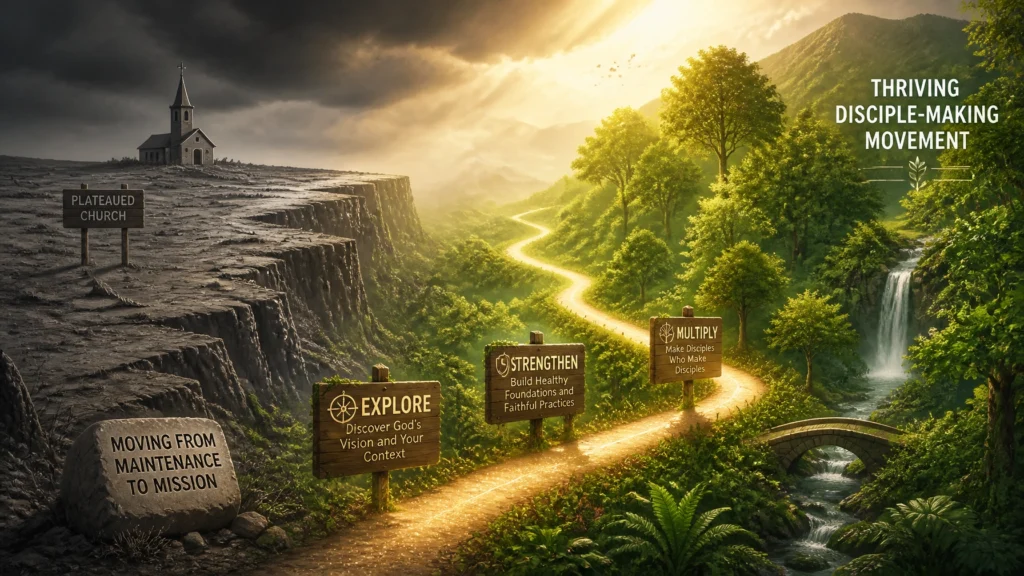
The American Church is facing a crisis of maintenance.
For decades, we’ve measured success by the "Three Bs": buildings, budgets, and bodies in the pews. We’ve focused on gathering crowds rather than sending disciple-makers. We’ve prioritized addition when the Great Commission demands multiplication.
The result? A plateau that feels like a dead end.
But there is a different way: a way rooted in the life and rhythm of the person who started it all. As we explore in The Real Jesus (Book 1), the ministry of Jesus wasn't about building a single monument; it was about igniting a movement.
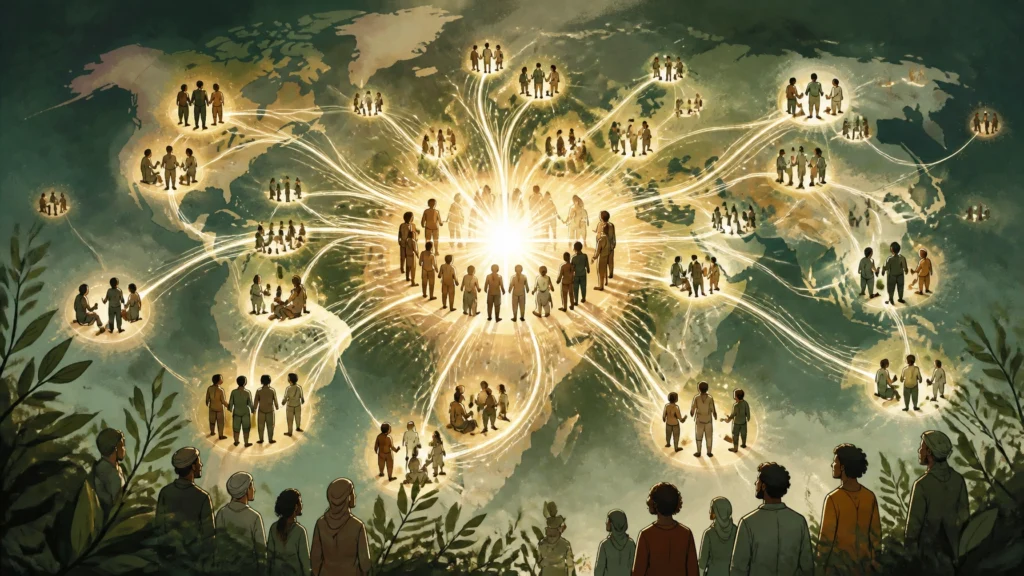
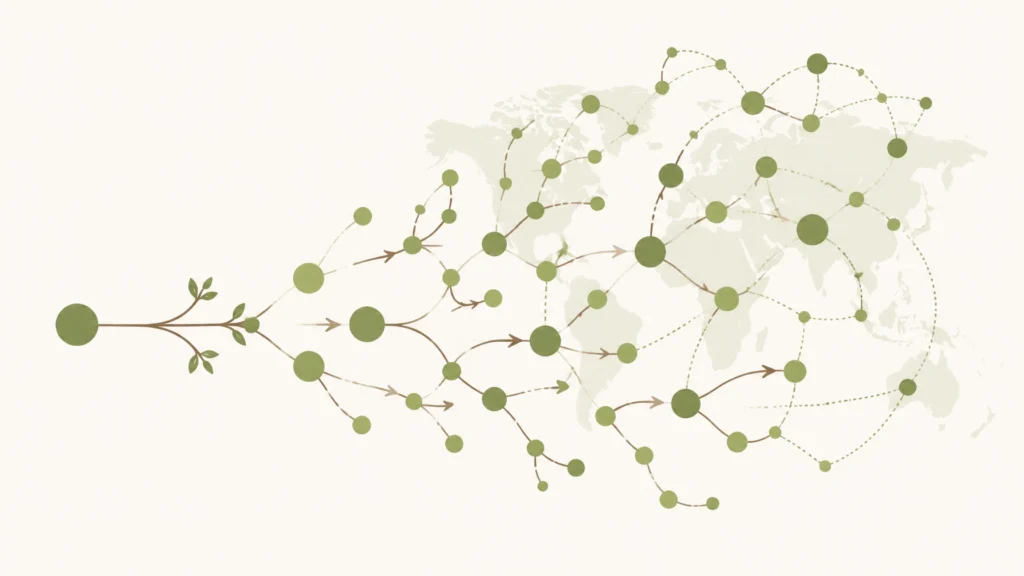
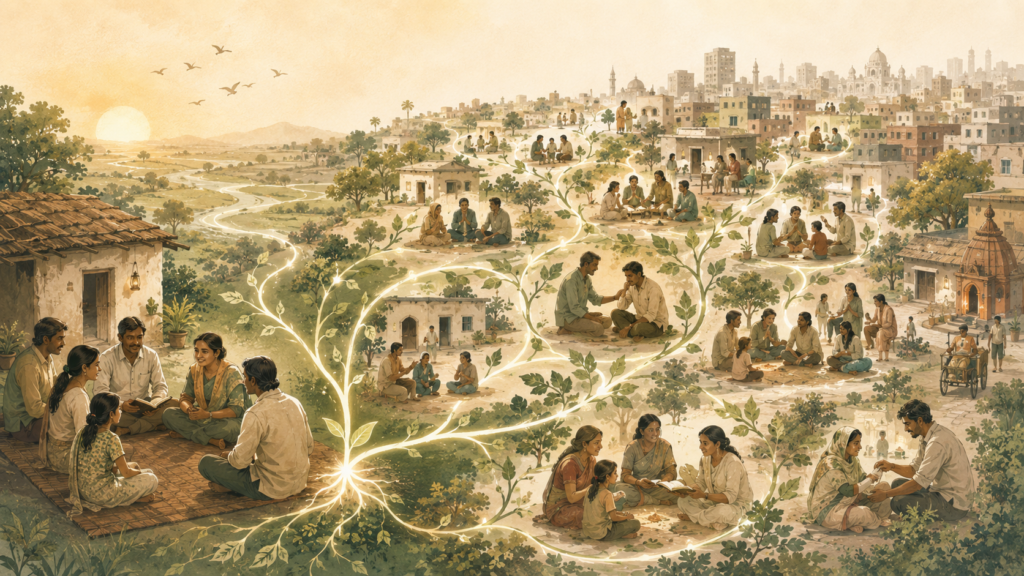
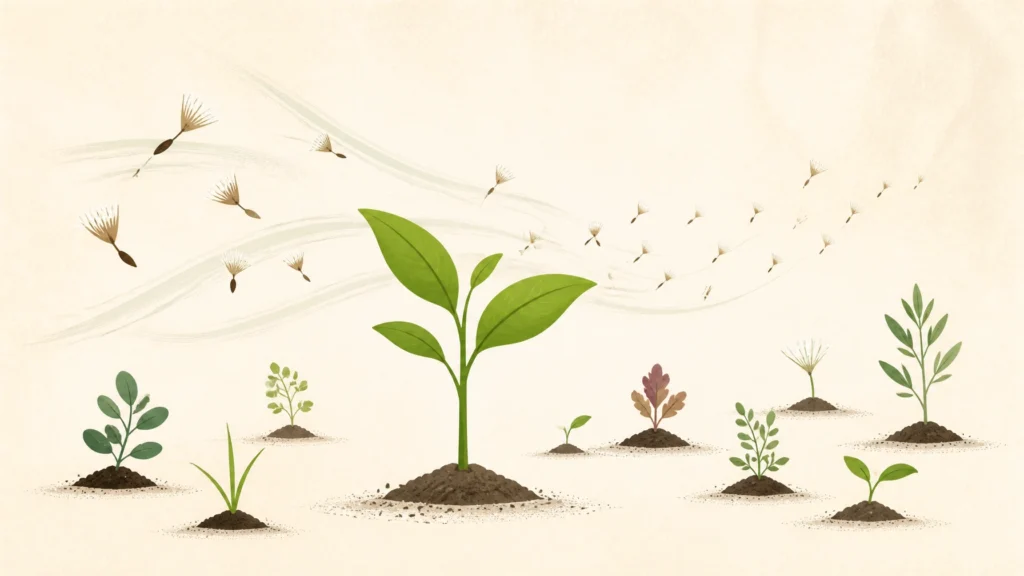
The future of the Church isn’t addition. It’s multiplication.
If you are struggling for growth, it’s likely because you’ve reached the limit of what one leader or one building can sustain. To break through, you must shift from a "come and see" model to a "go and be" strategy.
Here are over 50 church multiplication strategy examples to help your congregation move from maintenance to mission.
The Foundation: Disciple-Making Habits
Multiplication doesn’t start with a new campus; it starts with a new heart. You cannot multiply what you haven't first modeled. In The Real Jesus (Book 2), we see that Jesus didn't just teach the crowds; He lived life-on-life with the few.
- Discovery Bible Studies (DBS): Facilitate groups where people read Scripture and ask, "What does this say about God?" and "What will I do about it?"
- Huddle Systems: Small, high-accountability groups (3–4 people) focused on spiritual rhythms.
- Obedience-Based Discipleship: Shift from "information" to "transformation" by asking for "I will…" commitments each week.
- Oikos Mapping: Have members list 10 people in their immediate circle (Oikos) who don't know Jesus and pray for them daily.
- Person of Peace Strategy: Train your people to look for receptive influencers in new neighborhoods (Luke 10:6).
- Micro-Groups: Create entry-level groups that meet in neutral spaces like gyms or coffee shops.
- Scripture Memorization Pipelines: Building the Word into the daily vernacular of the church.
- Storytelling Training: Equipping every member to share their 15-second testimony.
- Gospel Conversations: Training members to transition everyday talk to eternal truth.
- Prayer Walking: Systematically covering local neighborhoods in prayer to identify spiritual needs.

Leadership Pipelines: Developing the Sent
You don't need more volunteers; you need more leaders. Multiplication is limited by your leadership capacity.
- Apprentice Every Role: No one serves alone. Every leader must have an apprentice they are actively coaching.
- Residency Programs: 12–24 month deep dives for emerging church planters.
- Leadership Huddles: Monthly gatherings for vision casting and tactical training.
- Competency-Based Training: Shifting from "length of time" to "demonstrated skill" for leadership vetting.
- The "Fivefold" Assessment: Using APEST (Apostle, Prophet, Evangelist, Shepherd, Teacher) to align people with their spiritual giftings.
- Youth Leadership Tracks: Investing in middle and high schoolers as current: not future: leaders.
- Coaching Networks: Providing every campus or micro-church leader with an external coach.
- Pipeline Visuals: Creating a clear "Next Step" map for every person in the church.
- Quarterly Leadership Summits: Focusing on the "Why" behind the "How."
- Decentralized Decision Making: Empowering local leaders to make calls without waiting for the "Head Office."

Planting & Multiplication Models: The Path to Expansion
The Great Commission isn't a suggestion to grow; it’s a command to multiply (Matthew 28:19-20).
- Multisite Campuses: One church, multiple locations, shared DNA.
- Autonomous Church Planting: Funding and sending a team to start a completely new, independent church.
- Micro-Church Networks: A "beehive" model of small, autonomous churches that gather for occasional big events.
- Church-in-a-Church: Hosting a new plant (often language-specific) within your existing facility.
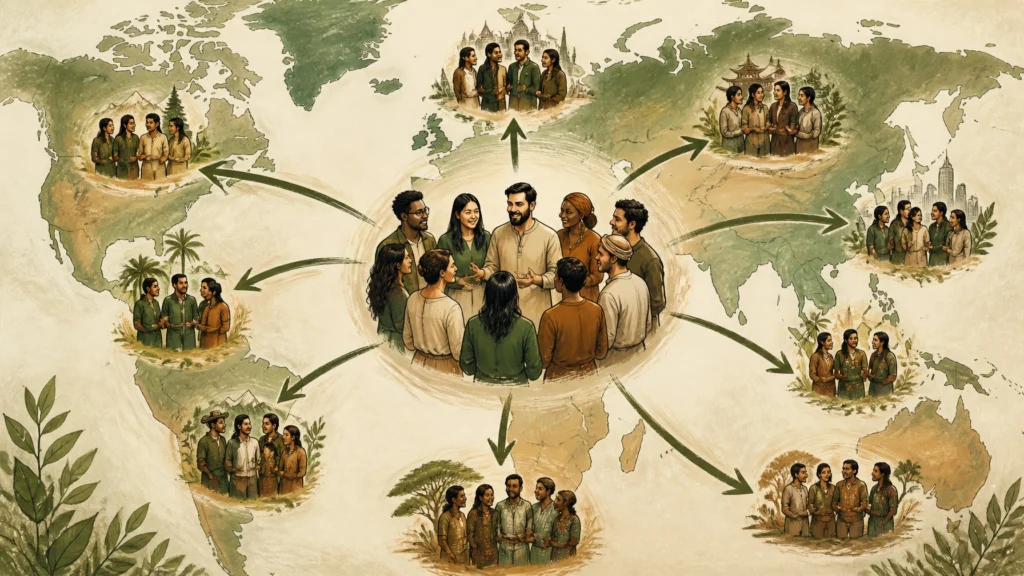
- The "Nucleus" Model: Sending 20–50 committed members to seed a new work in a neighboring town.
- Parent-Partner Model: Two or more churches pooling resources to launch a third.
- Urban Storefront Plants: High-visibility, low-cost locations in dense city centers.
- Rural Circuits: One leadership team overseeing 3–4 small rural gatherings.
- Video Venue Strategy: Using high-quality teaching videos to launch new campuses with local pastoral care.
- Adoption/Revitalization: Partnering with a struggling church to bring new life and leadership.
Operations & Resource Shifts: Funding the Movement
If your budget is 90% internal, you aren't a movement; you're a monument.
- The 10% Multiplication Tithe: Committing 10% of the total church budget strictly to church planting.
- Bivocational Support: Training leaders who work "secular" jobs while leading churches.
- Asset Mapping: Using church vans, kitchens, or buildings for community businesses during the week.
- Debt-Free Growth: Committing to planting new sites rather than taking on massive building debt.
- Shared Services: Using one central "Back Office" (HR, Finance) for multiple church plants.
- Launch Grants: Providing one-time "seed money" for new micro-churches.
- Giving Digitization: Making it easy for "sent" people to continue supporting the vision.
- Zero-Based Budgeting: Evaluating every expense based on its contribution to the Great Commission.
- Crowdfunded Outreach: Using social platforms to fund specific community projects.
- Legacy Giving: Encouraging older members to fund the future of multiplication through their estates.

Movement Catalysts: Strategic Alignment
True multiplication requires a culture shift. You must move from "Minister" to "Equipper."
- Inspirational Conferences: Gathering the family to hear stories of what God is doing globally.
- Transformative Coaching: Investing in outside eyes to see your blind spots.
- Sermon Series Alignment: Ensuring the pulpit and the small groups are speaking the same language.
- Digital Ministry Pathways: Using social media not for "likes," but as a front door to a Discovery Bible Study.
- Worship Systems: Creating reproducible worship experiences that don't require a $50k soundboard.
- Children’s Ministry Toolkits: Equipping parents to be the primary disciple-makers at home.
- Hands-on Partnerships: Sending your team to serve another church’s launch.
- Metric Shifting: Measuring "Sending Capacity" over "Seating Capacity."
- Global Reach Integration: Partnering with international movements to learn from the Global South.
- The "Year of Multiplication" Vision: Focusing the entire church's energy on a single goal for 12 months.
- Consistent Storytelling: Highlighting the "ordinary" member who made a disciple.
✔ Start Small: Choose 3 of these strategies to implement in the next 90 days.
✔ Seek Coaching: Don't do this alone; partnership is the key to endurance.
✔ Prioritize People: Remember, we plant churches because we love people.

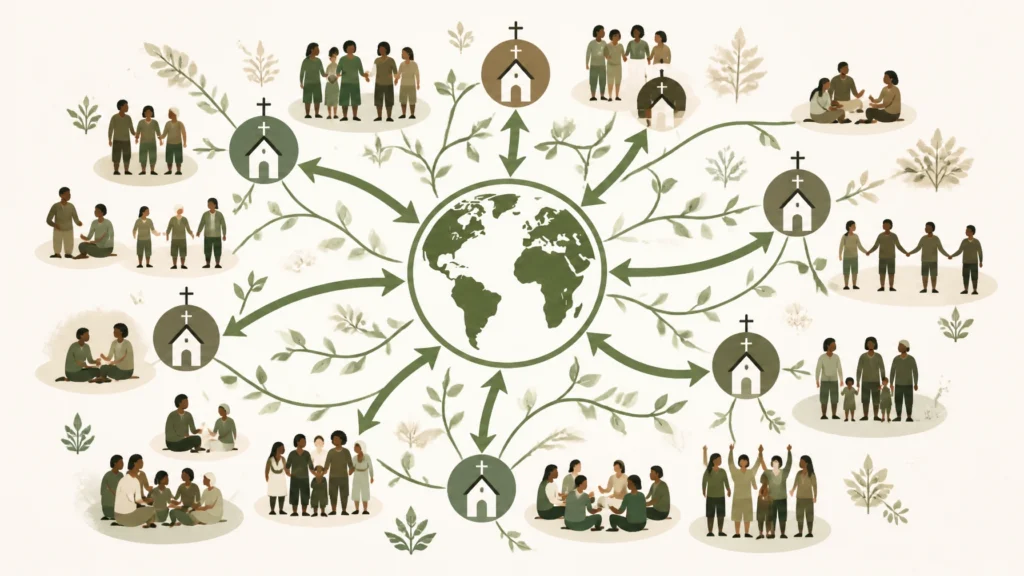
The Vision: A Global Disciple-Making Movement
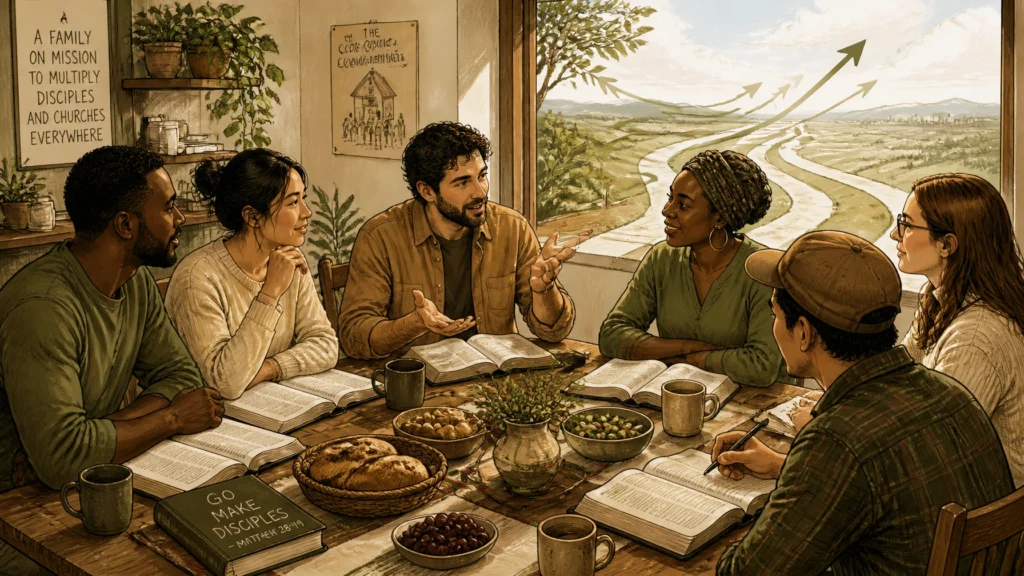
As we read in The Real Jesus (Book 3), the early church didn't have buildings or budgets. They had the Holy Spirit and a mandate. They were a family on a mission.
At Family Network, we exist to walk alongside you in this journey. Whether you are a lead pastor of a megachurch or a volunteer leading a house church, the call is the same: Go and make disciples.
The future of your church isn't found in a bigger sanctuary. It’s found in the lives of the people you send out.
The strategy is simple, but the cost is high. It requires laying down our "empires" to build His Kingdom. But there is no greater joy than seeing a movement of God take root in your city.
Are you ready to move from maintenance to mission?
High-Impact Social Media Clip
Title: "Addition is for Math. Multiplication is for the Movement."
Visual: A fast-paced montage of diverse people meeting in homes, serving in gardens, and baptizing in rivers.
Audio: "The world doesn't need more church buildings. It needs more disciples who are empowered to change their neighborhoods. Stop counting who shows up. Start counting who you send out. #FamilyNetwork #DiscipleMaking #ChurchMultiplication"
Link: [Read the full guide here: familynetwork.org/multiplication-strategies]
Author: Dr. Adam Grill