Written by Dr. Adam Grill, Founder of Family Network
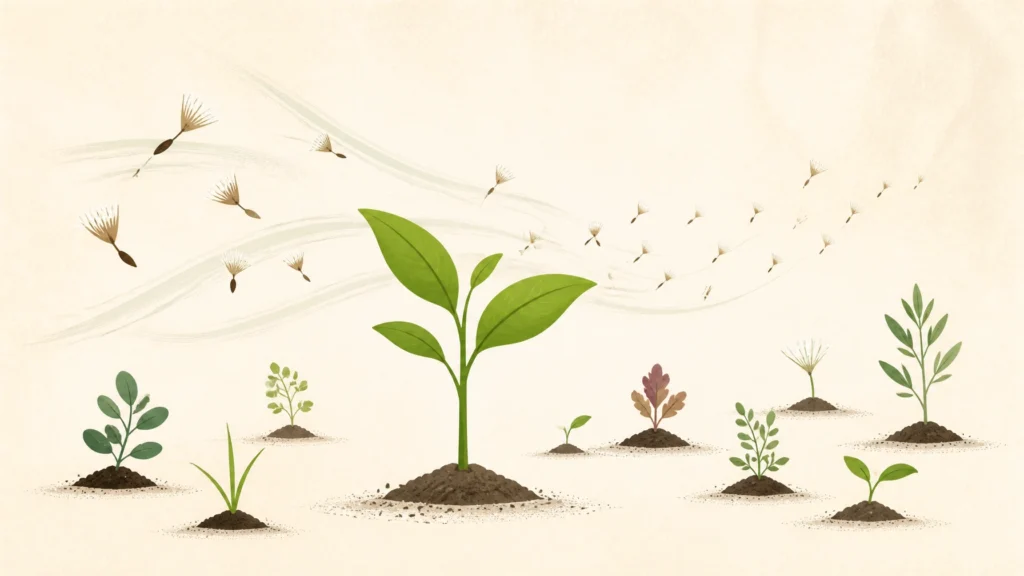
The future of the Church isn’t addition. It’s multiplication.
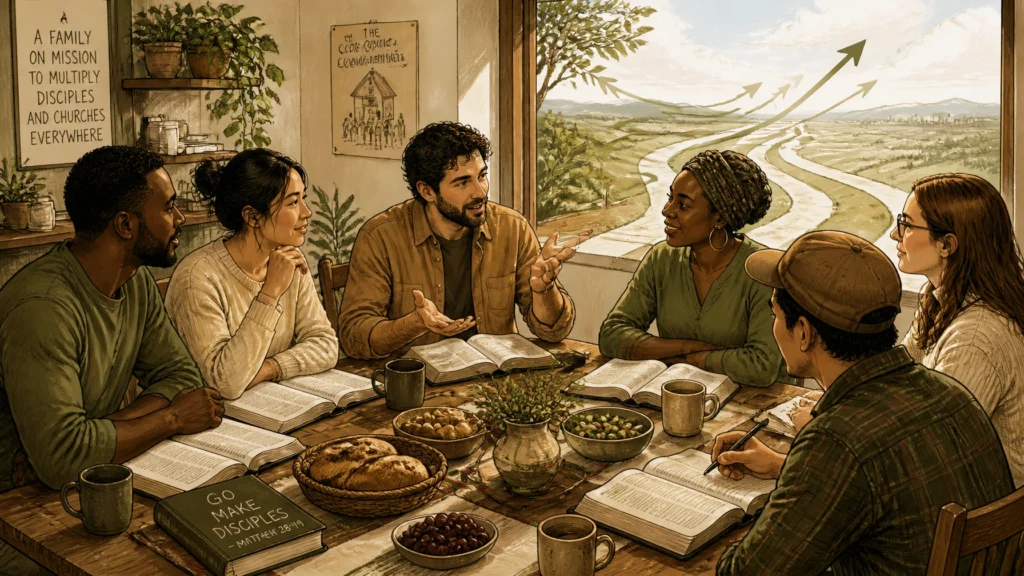
Jesus did not give His followers a strategy for gathering the largest possible crowd. He gave them a mission: “Therefore go and make disciples of all nations” (Matthew 28:19–20, NIV).
That mission still stands.
Yet many churches are measuring success primarily through attendance, giving, facilities, and programs. Those numbers matter, but they do not tell the whole story. A full room may represent gathering. It does not necessarily represent reproduction.
The deeper question is this: Are the people in your church becoming disciple-makers who help others follow Jesus?
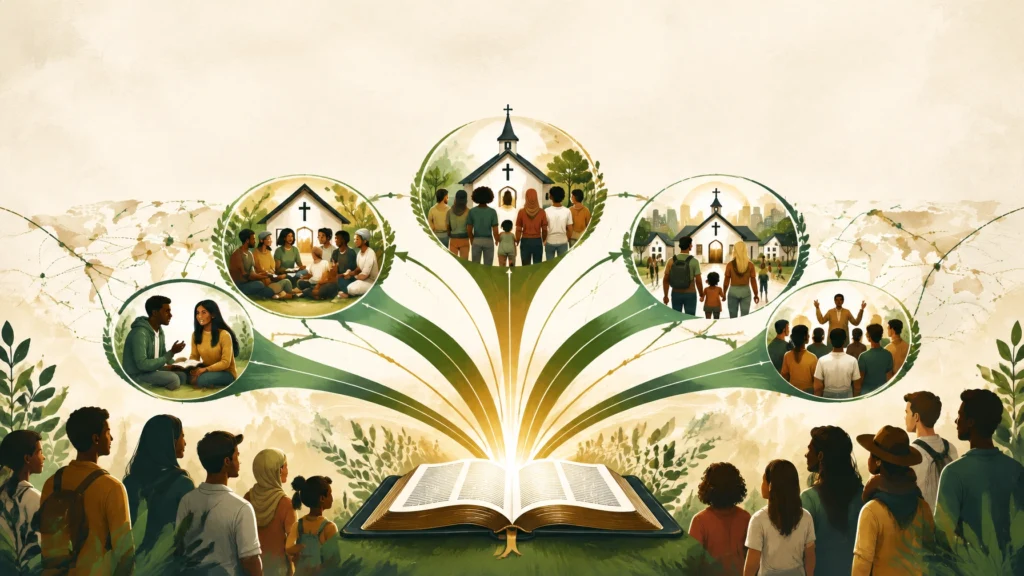
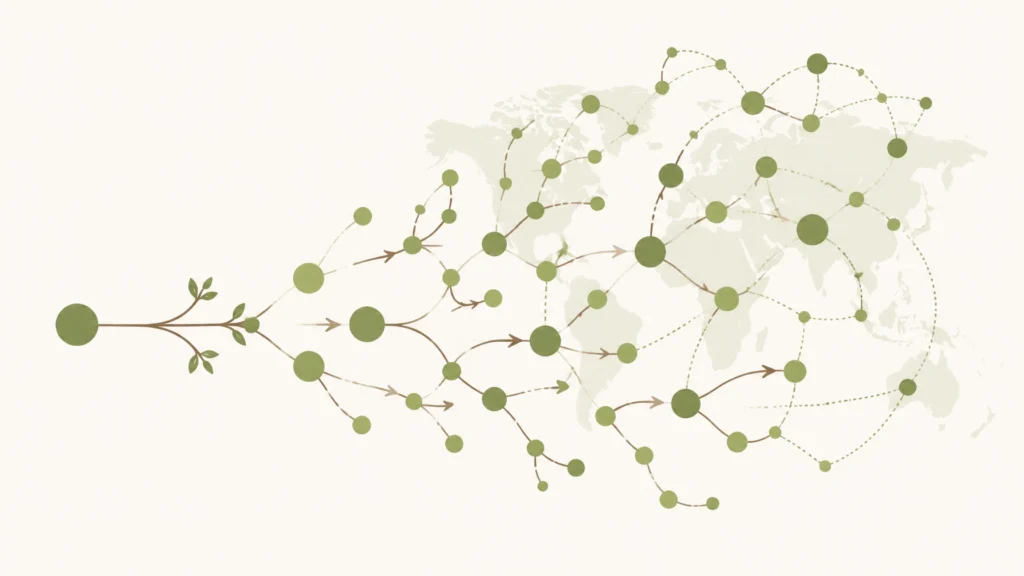
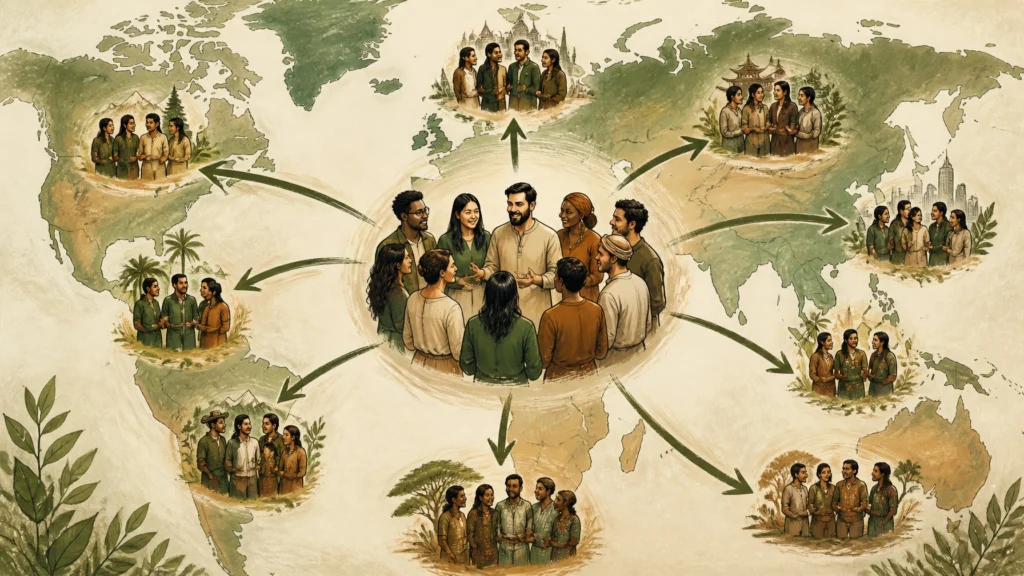
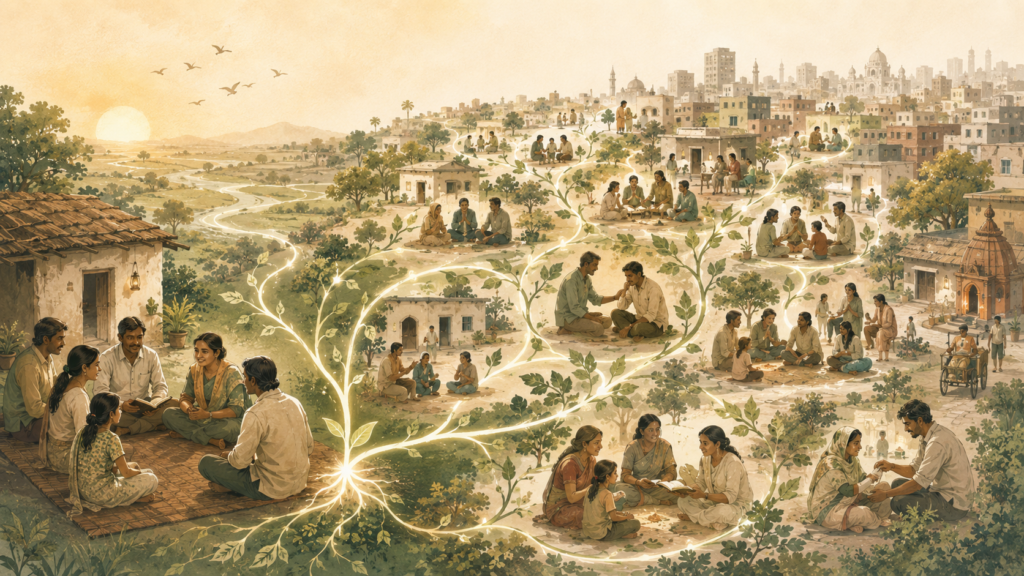
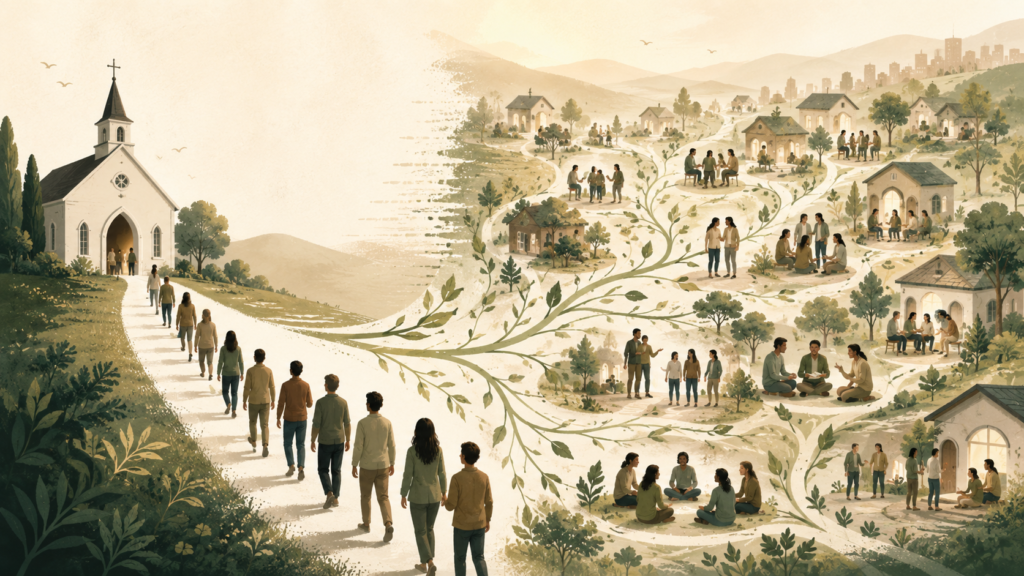
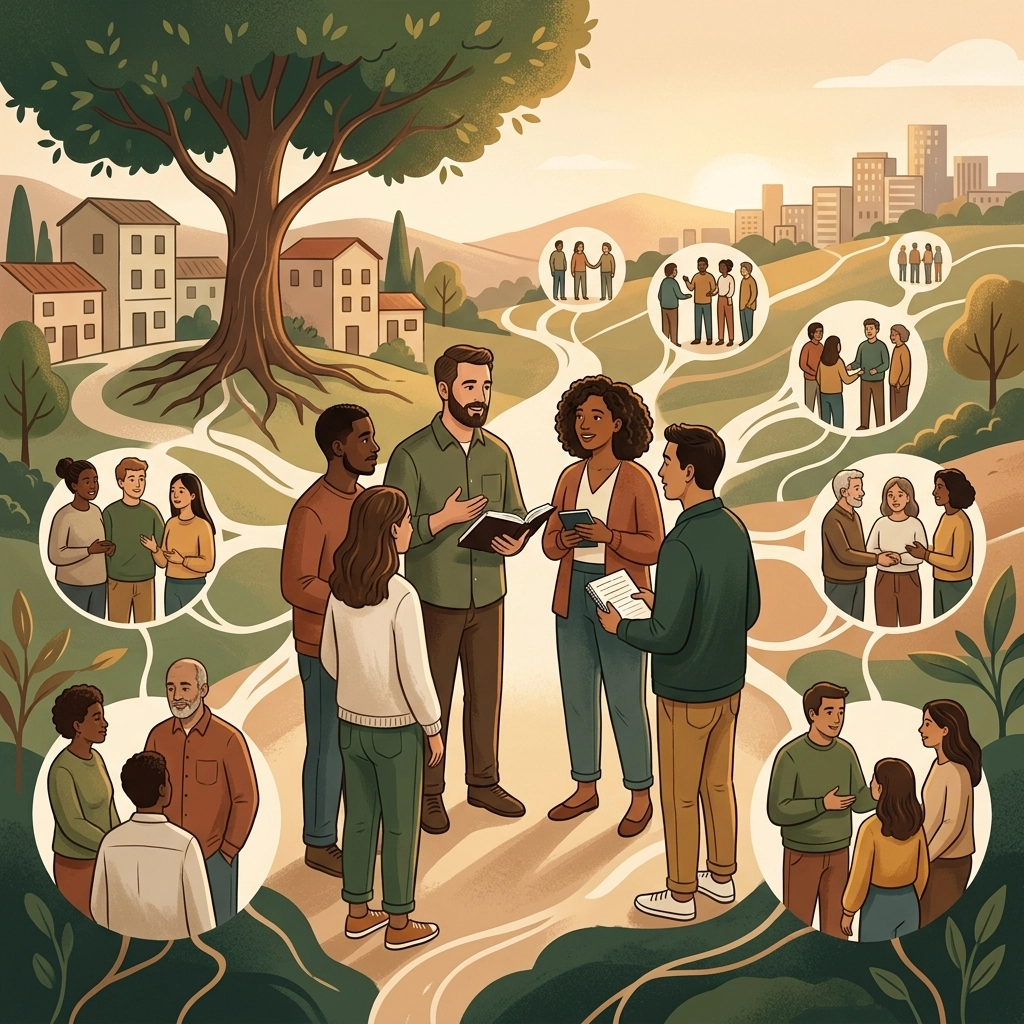
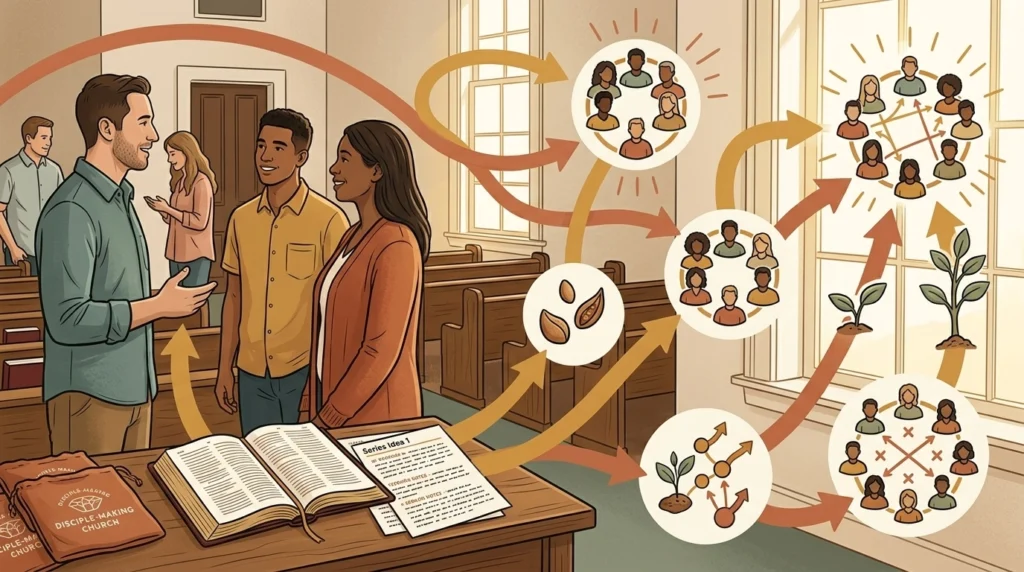
Disciple-making movements answer that question through generational multiplication. A disciple follows Jesus, helps someone else follow Jesus, and equips that person to do the same. Churches are planted, leaders are developed, communities are served, and the Gospel moves outward through ordinary people.
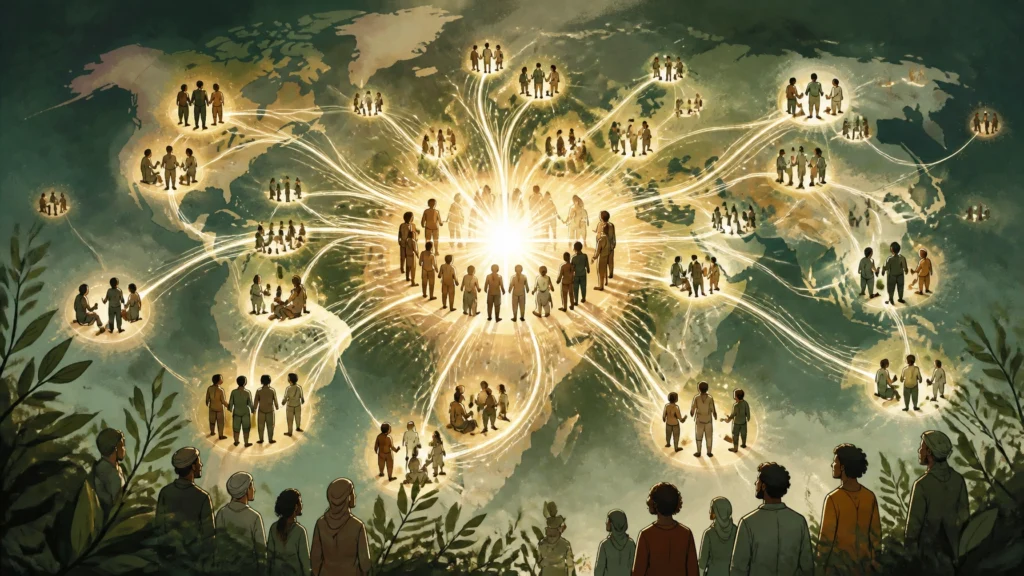
Recent movement research documents nearly 2,000 mature disciple-making movements around the world, involving more than 100 million professing disciples and millions of multiplying churches and groups (Lausanne, Beyond Global Movement Dashboard).
At the same time, fewer than 5% of U.S. churches are estimated to have a reproducing disciple-making culture (Ordinary Movement).
The need is urgent.
The opportunity is extraordinary.
Return to the Model of Jesus
Church multiplication does not begin with a new structure. It begins with a renewed vision of Jesus.
In The Real Jesus: Volume 1, The Path to Purpose (Disciple-making Series, Book 1), we see Jesus not merely as someone to admire, but as the One whose life and leadership we are called to follow. He invited people into relationship, formed them through shared life, taught them obedience, and sent them to participate in His mission.
Jesus ministered to crowds, but He invested deeply in a smaller group of disciple-makers.
He gathered people, but He also sent them.
He taught truth, but He expected obedience.
He developed leaders, then released them.
This is the difference between a church that adds attendees and a church that multiplies disciple-makers.
A multiplication strategy asks:
- Who are you intentionally discipling?
- Who are they learning to disciple?
- What simple practices can be reproduced in homes, workplaces, neighborhoods, and campuses?
- Which leaders are you equipping and empowering to carry the mission beyond your direct oversight?
Your church does not need to become more complicated to become more fruitful.
It may need to become more intentional.

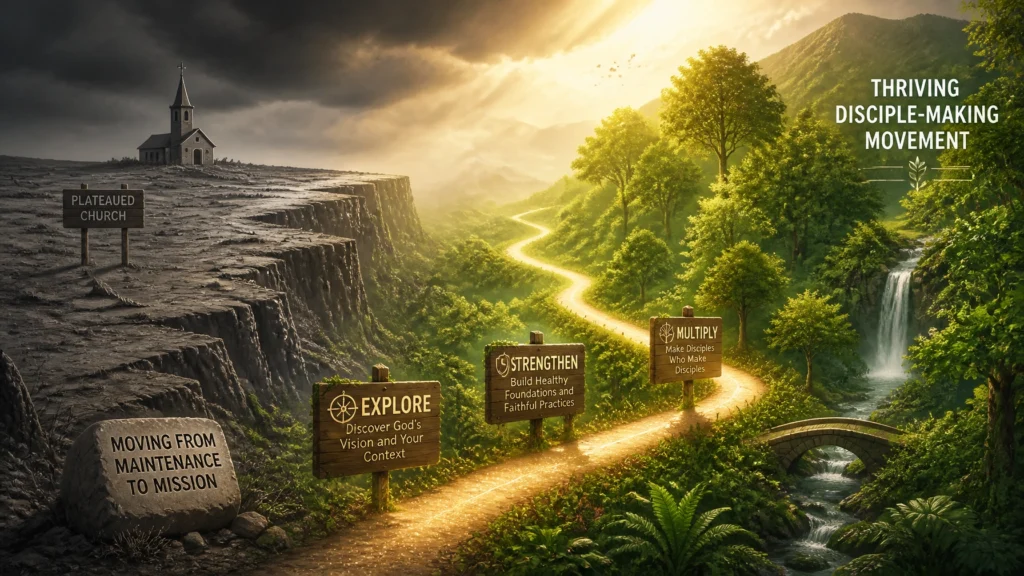
EXPLORE: Clarify the Vision Before Changing the System
Every culture shift begins with a vision shift.
The Explore pathway is for leaders who sense that maintenance is no longer enough. You may be serving faithfully while wondering why your church is not reaching new people, developing new leaders, or reproducing new communities of faith.
That tension can become an invitation.
Before changing your calendar, clarify your definition of success. Ask your leadership team to describe a disciple in one sentence. Then ask whether your preaching, small groups, children’s ministry, leadership meetings, and budget all support that definition.
In The Real Jesus: Volume 1, The Path to Purpose (Disciple-making Series, Book 1), the starting point is personal: we follow Jesus before we invite others to follow Him.
Begin here:
✔ Set aside time each week to pray specifically for people far from God.
✔ Identify two or three people you can intentionally encourage and disciple.
✔ Share Matthew 28:19–20 with your leadership team and discuss what obedience looks like in your local context.
✔ Celebrate stories of spiritual growth, courageous outreach, and emerging leaders: not only attendance increases.
Vision creates alignment.
Alignment creates movement.
MULTIPLY: Build a Reproducing Culture
Once the vision is clear, the next step is culture.
The Multiply pathway helps your church move from gathering crowds to sending disciple-makers. This requires training, coaching, and a simple process that ordinary people can understand and reproduce.
A process that depends entirely on experts will not multiply.
Your goal is not to create more ministry consumers. Your goal is to develop people who can pray, share their story, open Scripture with others, respond in obedience, and help new disciples do the same.
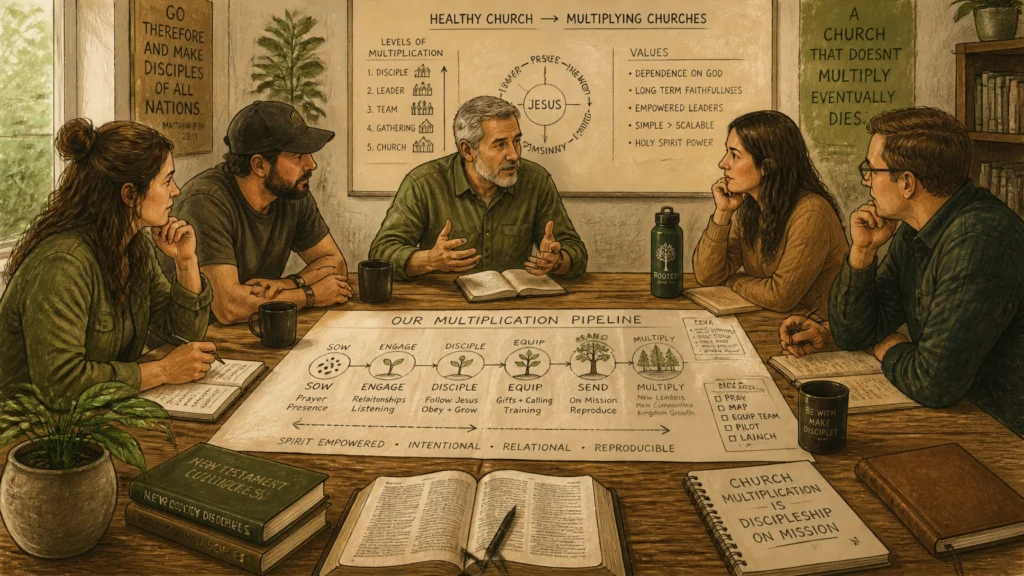
A practical disciple-making rhythm might include:
- Listen: Learn where God is already working in a person’s life.
- Open Scripture: Read a passage together and ask what it reveals about God, people, and the Gospel.
- Obey: Identify one clear step of obedience.
- Share: Ask who else needs to hear or experience what was learned.
- Repeat: Help the new disciple begin the same process with someone else.
This is not a shortcut around spiritual maturity. It is a pathway into active participation.
In The Real Jesus: Volume 2, The Power of Presence (Disciple-making Series, Book 2), the emphasis on presence reminds us that transformation is relational. People are formed as we walk alongside them: not simply as we deliver information to them.
✔ Train a small core team before launching a church-wide initiative.
✔ Pair experienced leaders with emerging leaders.
✔ Use reproducible tools that work without professional ministry training.
✔ Coach leaders toward their second and third generation of disciples.
✔ Schedule regular conversations around obedience, outreach, and multiplication.
The goal is not to control every group.
The goal is to cultivate healthy leaders who can lead faithfully without constant dependence on the central team.
STRENGTHEN: Make the Mission Sustainable
Multiplication requires spiritual health and organizational strength.
The Strengthen pathway supports the systems that allow a disciple-making culture to endure. A church can have a compelling vision and still stall because its structures reward the opposite behavior.
If your church wants multiplication, examine the systems beneath the mission.
Do your children’s ministry and student ministry help young people become disciple-makers? Do your worship and teaching environments point people toward obedience? Do your volunteer, finance, governance, and communication systems free leaders to focus on people: or bury them in unnecessary complexity?
Strong systems should serve the mission.
They should not replace it.

Consider strengthening these areas:
✔ Teaching: Build sermon and teaching rhythms around following and obeying Jesus.
✔ Children and families: Equip parents and volunteers to disciple across generations.
✔ Leadership: Create a clear pathway from participant to apprentice to leader to coach.
✔ Volunteer mobilization: Help people serve from calling and gifting rather than guilt.
✔ Governance and finances: Align decisions and resources with the Great Commission.
✔ Measurement: Track new disciples, active disciple-makers, groups, leaders sent, and generations reproduced.
Attendance tells you how many people gathered.
Multiplication metrics help you see whether people are being sent.
PARTNER: Develop Leaders Through Shared Mission
No church should attempt a culture shift alone.
The Partner pathway is built around relational partnership, leadership development, coaching, spiritual covering, and strategic alignment. Church multiplication grows stronger when pastors and ministry leaders have trusted people alongside them who understand both the spiritual and organizational demands of change.
Leadership development is more than teaching skills.
It is helping leaders become the kind of people who can form other leaders.
That means creating space for prayer, honest evaluation, biblical reflection, and practical experimentation. It means giving emerging leaders meaningful responsibility before they feel completely ready.
Acts 6 provides a helpful picture. As needs increased, the early church developed leaders and adjusted its structure so that “the word of God spread” and the number of disciples increased (Acts 6:7, NIV).
The structure served the movement.
Healthy partnership can help you:
✔ Discern your church’s next faithful step.
✔ Build a leadership pipeline rather than relying on a few exhausted people.
✔ Develop a church multiplication strategy suited to your context.
✔ Connect with other leaders pursuing the same shared mission.
✔ Learn from what God is doing across cultures and regions.
INTEGRATE: Create One Mission Across Many Locations
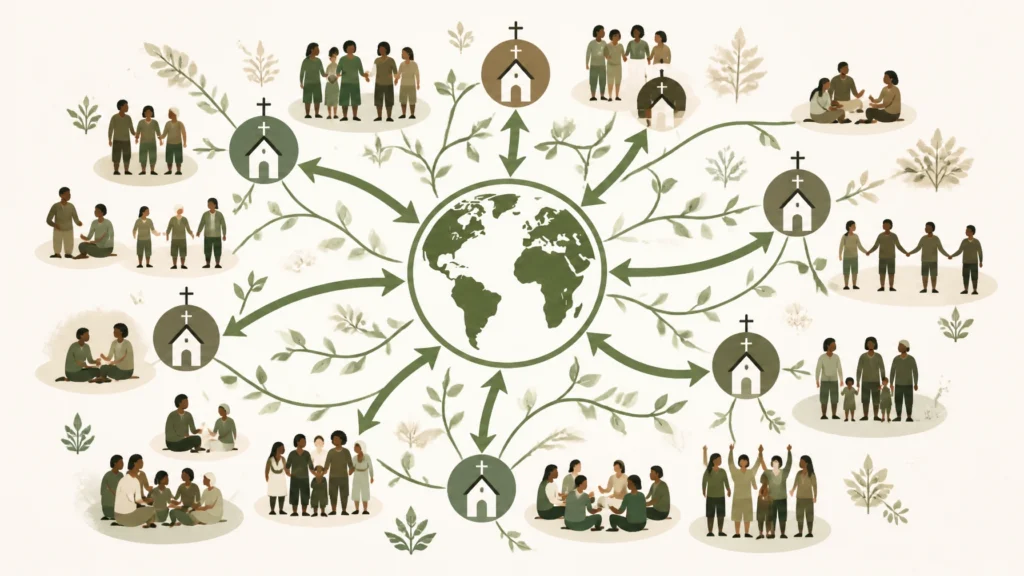
For some churches, multiplication eventually leads to multiple campuses, church plants, or interconnected ministry communities.
The Integrate pathway helps leaders pursue shared identity, shared leadership, shared systems, and shared mission while empowering local leaders to serve their particular communities.
Integration is not about making every location identical.
It is about creating strategic unity without suppressing local expression.
A healthy multi-location church can provide centralized support in areas such as teaching, leadership development, children’s ministry, worship, finance, and communication while giving local leaders the authority to reach their neighborhoods with wisdom and flexibility.
The question is not simply, “How can we open another location?”
The better question is, “How can we multiply healthy disciple-makers and establish a faithful Gospel presence where God is sending us?”

Measure What You Want to Multiply
Jesus’ strategy depended on multipliers more than multitudes.
That does not mean crowds are unimportant. It means crowd size cannot be your only measurement of health.
Family Network’s discussion of the Disciple-Making Reproduction Rate offers one practical lens: compare the number of new Christians reached annually with the church’s average worship attendance. This helps leaders see whether their church is simply maintaining a gathered community or reproducing new disciples.
You get more of what you intentionally measure.
Track:
- New disciples and baptisms
- Active disciple-making relationships
- New groups and churches
- Leaders being apprenticed and sent
- Second-, third-, and fourth-generation reproduction
- Stories of obedience and community transformation
The future of the Church is not found in doing more ministry for people.
It is found in equipping more people to join the ministry of Jesus.
Start the Conversation
You do not have to redesign your entire church this month.
Start with prayer.
Start with one leader.
Start with two people who are ready to follow Jesus more intentionally.
Start with a conversation about whether your church is primarily gathering crowds or sending disciple-makers.
At Family Network, we come alongside pastors, churches, staff, volunteers, and denominational leaders who want to move from maintenance to mission. Through inspiration, training, coaching, ministry resources, leadership development, church multiplication strategy, and deeper partnership, we help churches take their next faithful step.
✔ Explore practical resources for disciple-making movements.
✔ Learn how to move from church growth to church multiplication.
✔ Discover a framework for moving your church from maintenance to mission.
You may be closer to multiplication than you think.
The movement begins when one disciple decides to help another follow Jesus.
Dr. Adam Grill
Founder, Family Network
High-Impact Social Media Clip
Clip description: Open with a pastor looking across an empty or partially filled sanctuary, then cut to diverse people studying Scripture in a home, coffee shop, workplace, and neighborhood. Use bold on-screen contrasts: “Addition or multiplication?” “Gathering crowds or sending disciple-makers?” Close with a simple statement: “The future of the Church isn’t addition. It’s multiplication.” Invite viewers to read the full article and start a conversation with Family Network.
Suggested caption:
Your church was never meant to be only a place people gather. It was meant to be a family that sends disciple-makers.
Jesus gave us a multiplication mission in Matthew 28:19–20. The question is not only how many people attend: but how many people are becoming disciples who help others follow Jesus.
Read the full strategy and take your next step with Family Network: Visit the Family Network blog
#DiscipleMaking #ChurchMultiplication #ChurchLeadership #GreatCommission #FamilyNetwork #MakeDisciples