By Dr. Adam Grill, Founder of Family Network
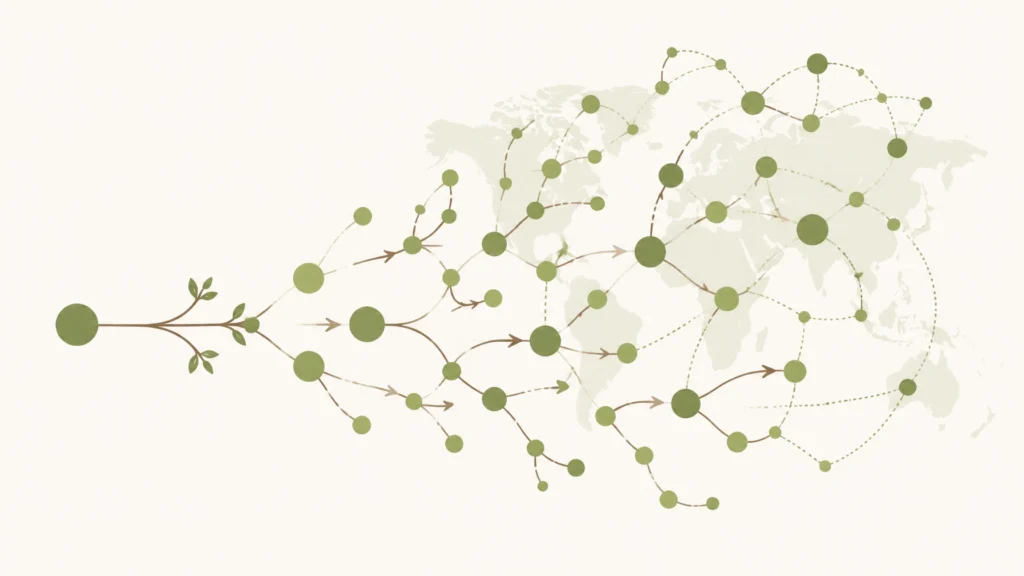
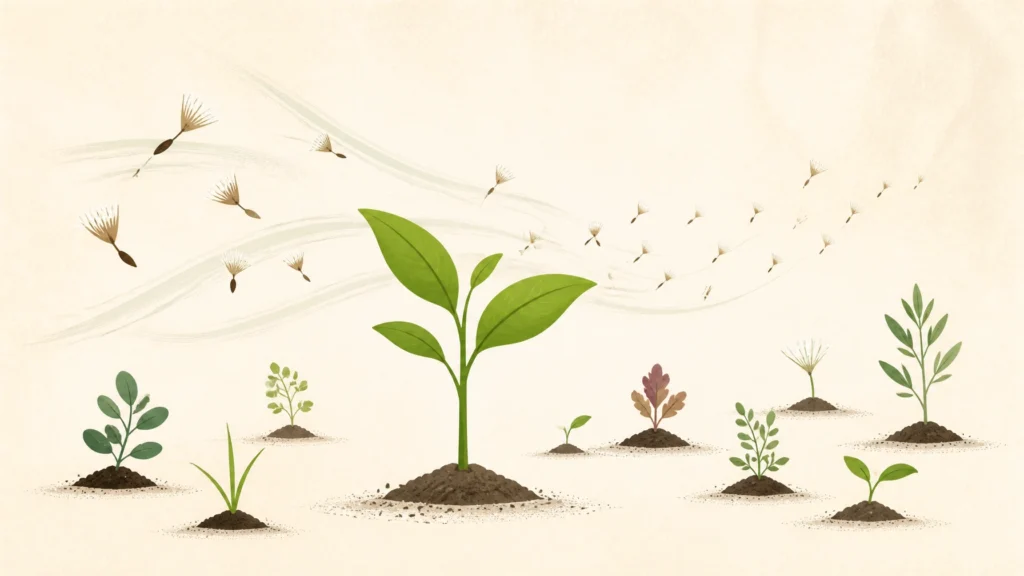
The future of the Church isn’t addition. It’s multiplication.
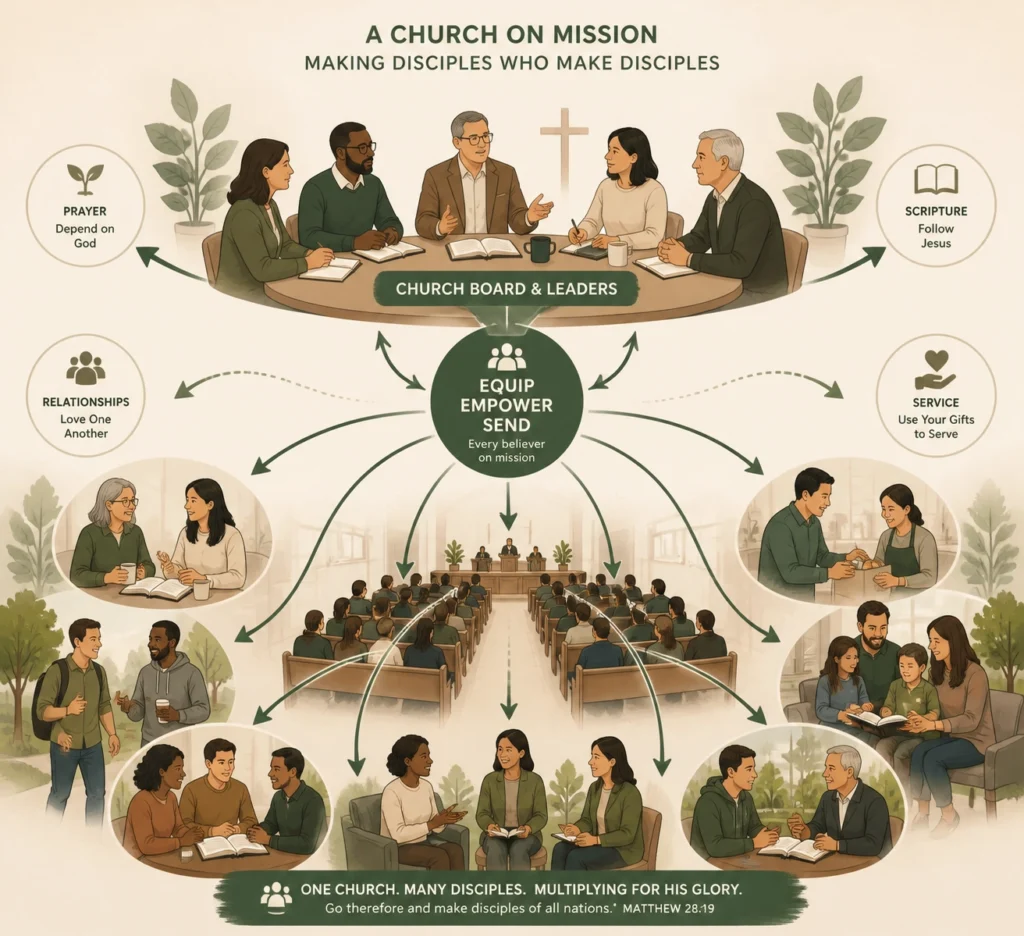
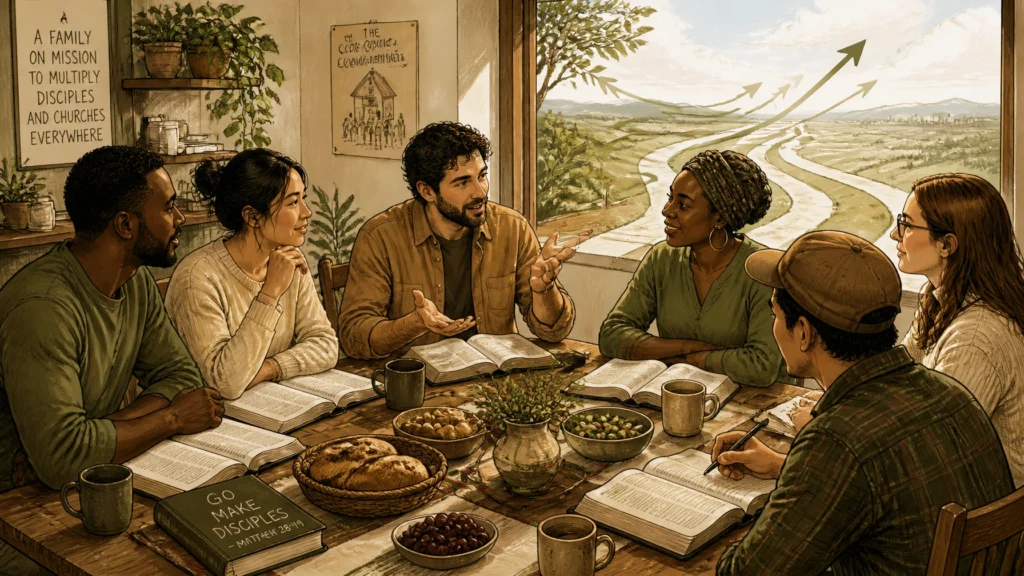
Jesus did not build a ministry around gathering the largest possible crowd. He formed disciples, developed leaders, empowered ordinary people, and sent them into new places with the good news of the Kingdom.
That remains the strategy.
In the New International Version (NIV), Jesus gives the Church its central assignment: “Go and make disciples of all nations” (Matthew 28:19–20). The command is not simply to attract believers. It is to develop disciples who obey Jesus, make disciples themselves, and help whole communities encounter the life of God.
A healthy church does more than grow larger.
A healthy church reproduces.
The Urgency: Addition Is Not Enough
Across the northern hemisphere, Family Network sees a sobering reality: more than 300,000 churches and roughly $40 billion in annual giving are too often sustaining maintenance rather than disciple-making.
This is not a criticism of faithful pastors or generous congregations. Many leaders are serving under enormous pressure, carrying declining attendance, volunteer shortages, financial constraints, and cultural change.
But the question remains:
Are our resources primarily preserving what already exists, or are they equipping people to reach those who have not yet encountered Jesus?
Addition counts attendance.
Multiplication develops disciple-makers.
Gathering crowds can fill a room. Sending disciple-makers can transform a region.
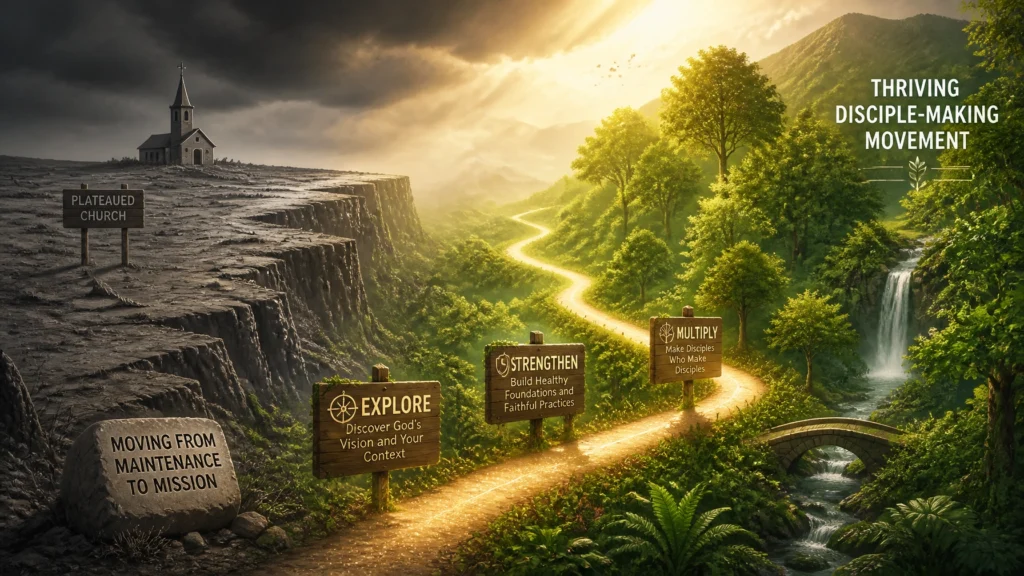
The good news is that a culture shift is possible. Churches can move from maintenance to mission through a clear vision, simple systems, intentional apprenticeship, empowered local leadership, and strategic alignment around the mission of Jesus.
Start with the Vision: Make Disciples Who Make Disciples
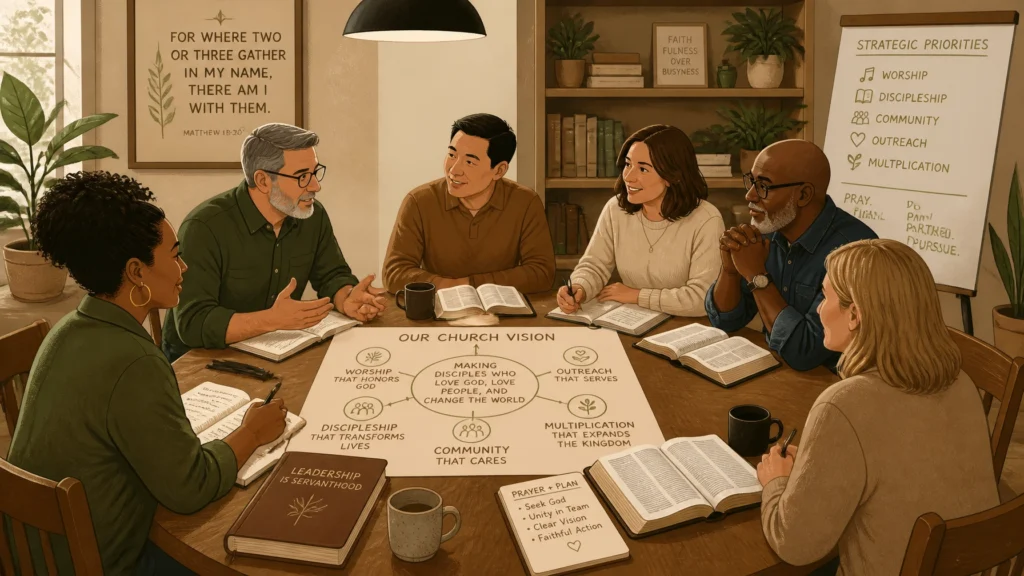
Before changing your calendar, budget, staffing model, or ministry structure, clarify the destination.
What would it look like for your church to become a multiplying church?
Begin with three biblical convictions:
-
Jesus is the model.
He invited people to follow Him, taught them in daily life, demonstrated the Kingdom, and sent them to serve others. -
The Great Commission is generational.
In 2 Timothy 2:2 (NIV), Paul tells Timothy to entrust the message to reliable people who will also be qualified to teach others. The pattern is unmistakable: receive, practice, reproduce. -
The Holy Spirit empowers the movement.
Jesus told His disciples to wait for power from on high before going out (Luke 24:49, NIV). Multiplication is not a clever leadership technique. It is partnership with God.
In The Real Jesus – Disciple-making Series | Book 1, Third Edition, the emphasis is simple and deeply practical: follow Jesus closely, learn His ways, practice obedience, and help others do the same.
The goal is not to create consumers of Christian content.
The goal is to form apprentices of Jesus.

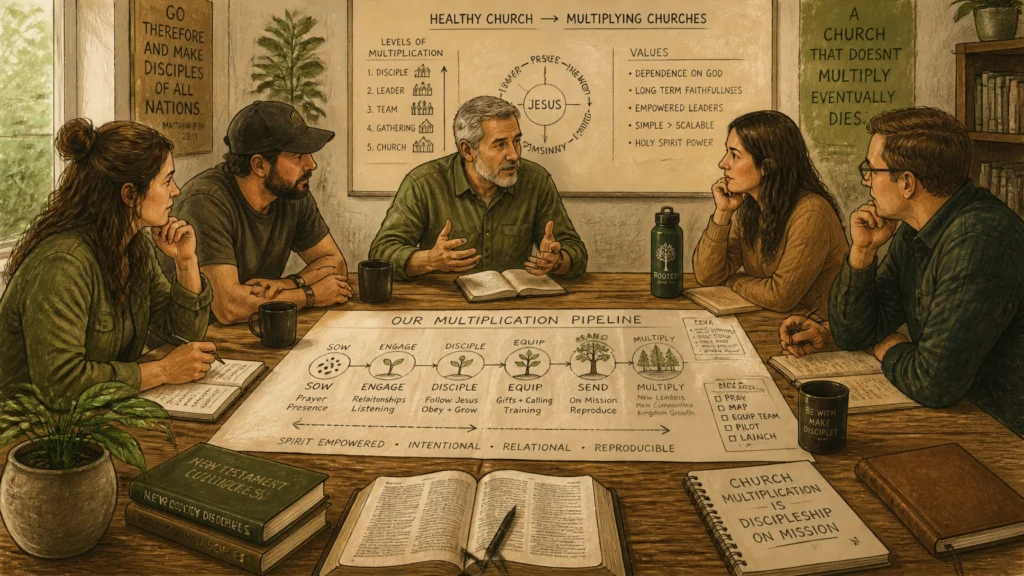
The Practical Pathway: Explore, Multiply, Strengthen, Partner, Integrate
Every church has a next step. Family Network’s five lanes provide a pathway for moving from inspiration to implementation.
1. Explore: Create Space for Vision
Some churches are ready for a culture shift. Others are still asking what faithful growth should look like in their context.
The Explore lane creates room to learn, connect, pray, and imagine what God might do through a multiplying church.
Start here:
✔ Gather pastors and key leaders for an honest conversation about your current reality
✔ Study Matthew 28:18–20 and Acts 2:42–47 together
✔ Identify where your church is already seeing spiritual receptivity
✔ Invite testimonies from members who are discipling others
✔ Define one clear multiplication goal for the next 12 months
Do not rush past vision.
People rarely sustain a strategy they do not understand or believe in.
2. Multiply: Build a Core Team of Disciple-Makers
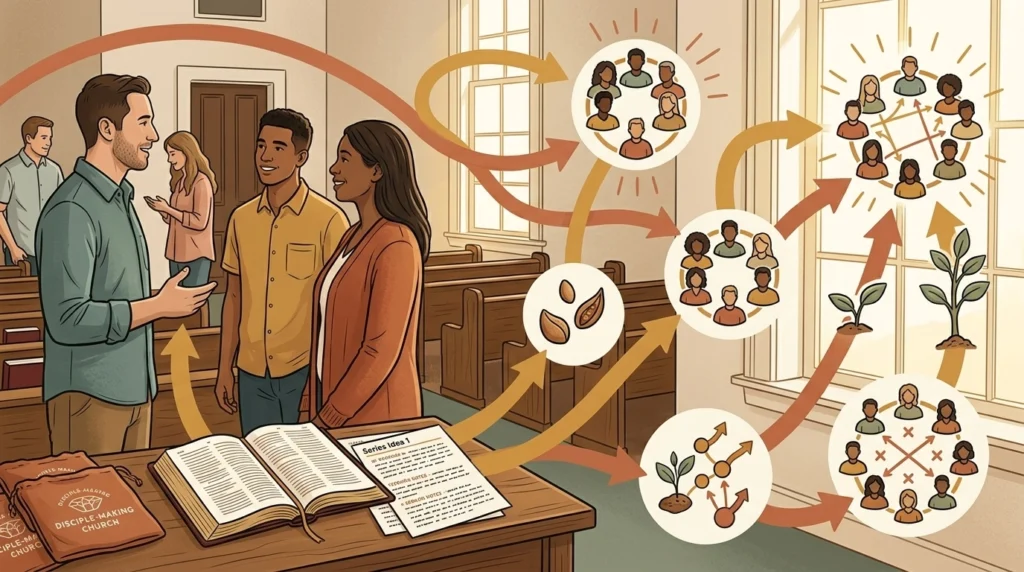
Multiplication becomes practical when a small group of leaders begins living it together.
Identify people who are already spiritually hungry, relationally trusted, and willing to learn. Then create a consistent environment where they can practice disciple-making: not merely discuss it.
A simple apprenticeship rhythm can look like this:
- I do; you watch.
- I do; you help.
- You do; I help.
- You do; I watch.
- You do; someone else watches.
This pattern reflects Jesus’ approach with the Twelve and the wider group He sent into ministry.
Train your core team to:
✔ Read and obey Scripture together
✔ Share personal stories of following Jesus
✔ Identify people who are receptive and ready to grow
✔ Practice prayer, spiritual conversations, and compassionate outreach
✔ Invite others into a repeatable discipleship rhythm
✔ Develop apprentices before new ministry opportunities appear
The objective is not a high-performing inner circle.
It is a growing family of disciple-makers who can reproduce what they are learning.
3. Strengthen: Make Reproduction Easier
A church cannot multiply through passion alone. It needs simple, reproducible systems.
This is where leadership development and ministry resources become essential. Your sermons, children’s ministry, worship systems, volunteer structures, financial processes, and communication rhythms should support the disciple-making mission rather than compete with it.
Ask:
- Can a new leader understand this process quickly?
- Can it be taught without relying on one expert?
- Does it help people move toward mission?
- Does it create space for local ownership?
- Does it work in more than one location or ministry context?
In The Real Jesus – Disciple-making Series | Book 2, the focus on living the Gospel as a continuing revolution reminds us that discipleship must move beyond information into practice. Churches grow stronger when every ministry lane contributes to formation, obedience, leadership development, and outward mission.
You can also use practical resources such as Family Network’s 50 Commands of Christ to keep Jesus’ teachings central and actionable.
4. Partner: Align Leaders Around a Shared Mission
Church multiplication becomes sustainable when leaders are not working in isolation.
Strategic alignment means pastors, elders, staff, volunteers, and emerging leaders understand the same mission and reinforce it through their decisions.
This includes:
✔ A shared definition of a disciple
✔ A clear leadership pipeline
✔ Regular coaching and feedback
✔ Healthy accountability
✔ A multiplication-focused budget
✔ Relational support for church planters and new leaders
✔ Celebration of obedience, sending, and reproduction
Your budget reveals what your church truly values.
Consider designating a clear portion of annual giving toward leadership development, church planting, local outreach, and multiplication. Begin where you can, communicate why it matters, and grow the investment over time.
Partnership also means empowering people close to the mission. Local leaders often understand their neighborhoods, languages, relationships, and barriers better than a centralized structure ever could.
Give them support without taking away ownership.
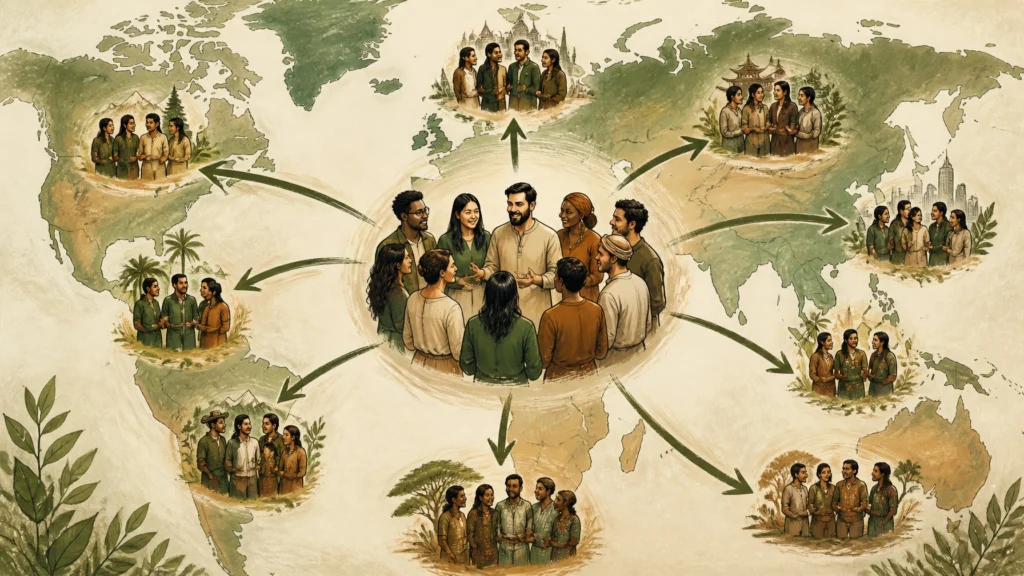
5. Integrate: Become One Mission in Multiple Places
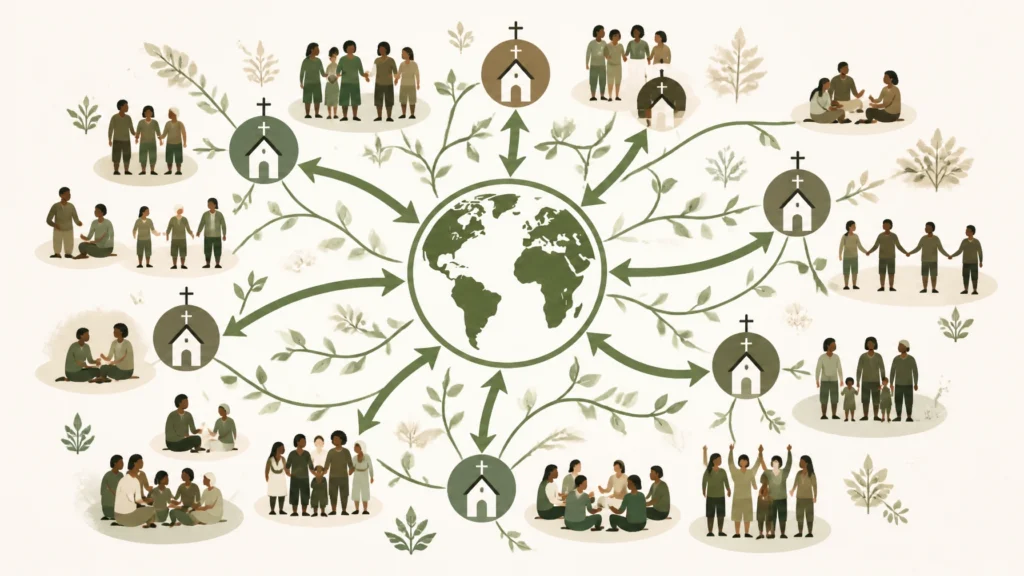
Some churches will eventually step into a deeper model of shared identity, systems, staffing, and leadership across multiple locations.
Integration is not about creating clones.
It is about carrying one mission into multiple contexts while empowering local leaders to respond wisely and pastorally to their communities.
A multiplying church holds two commitments together:
- Shared vision without unnecessary control
- Consistent values without forcing identical expressions
That balance allows a church family to expand without losing relational trust, theological clarity, or local creativity.

The Ripple Effect: From Encounter to Community Transformation
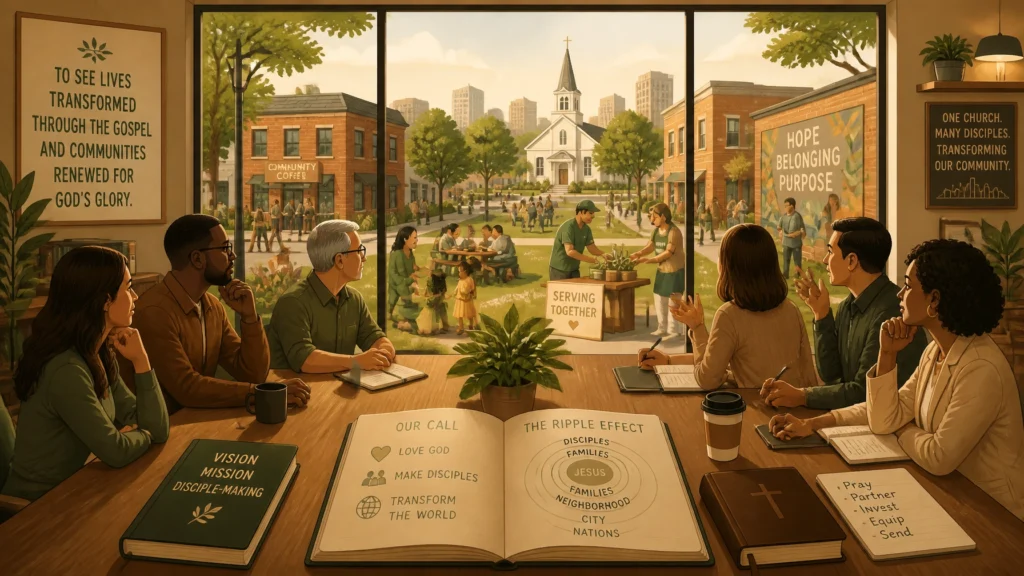
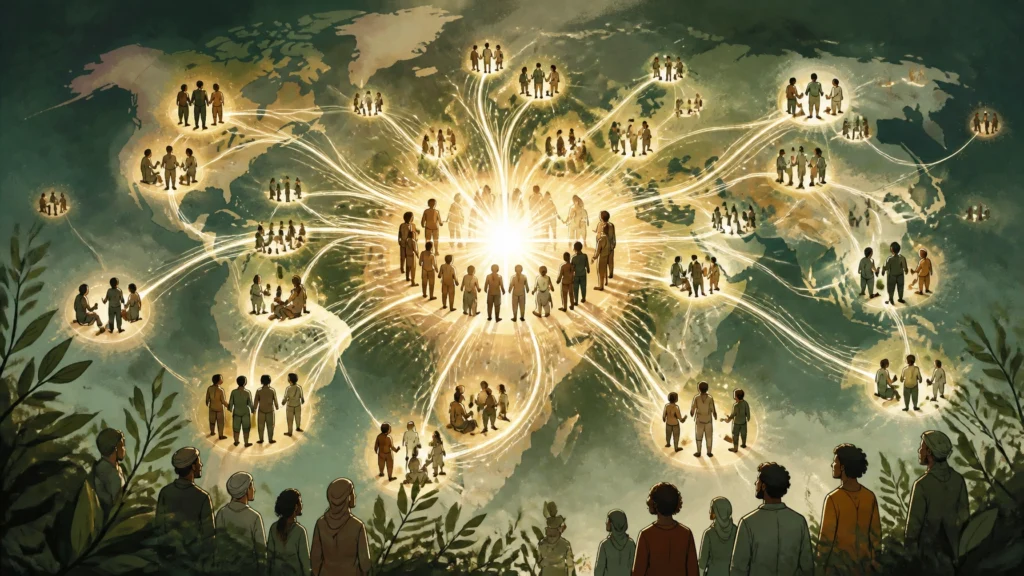
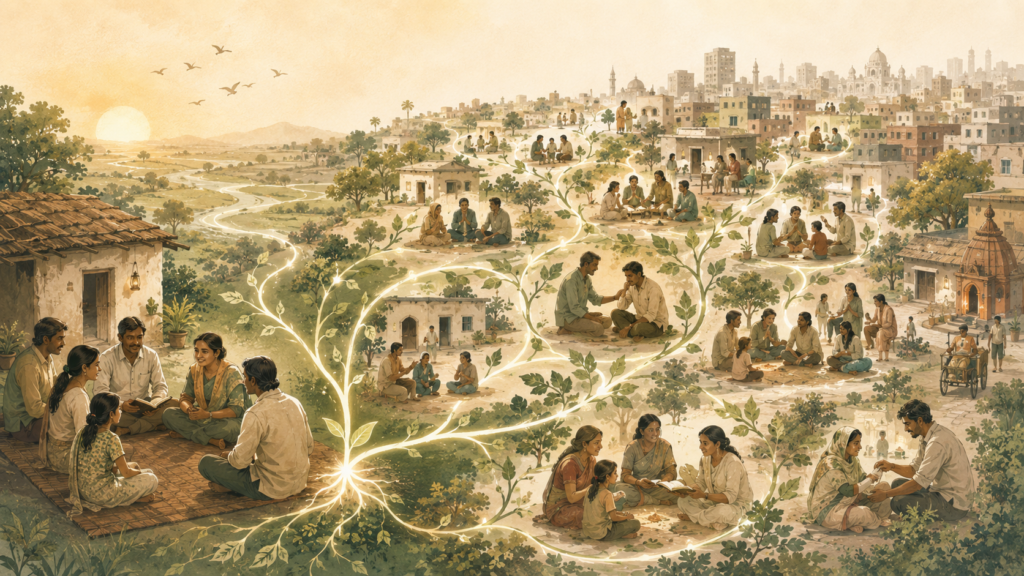
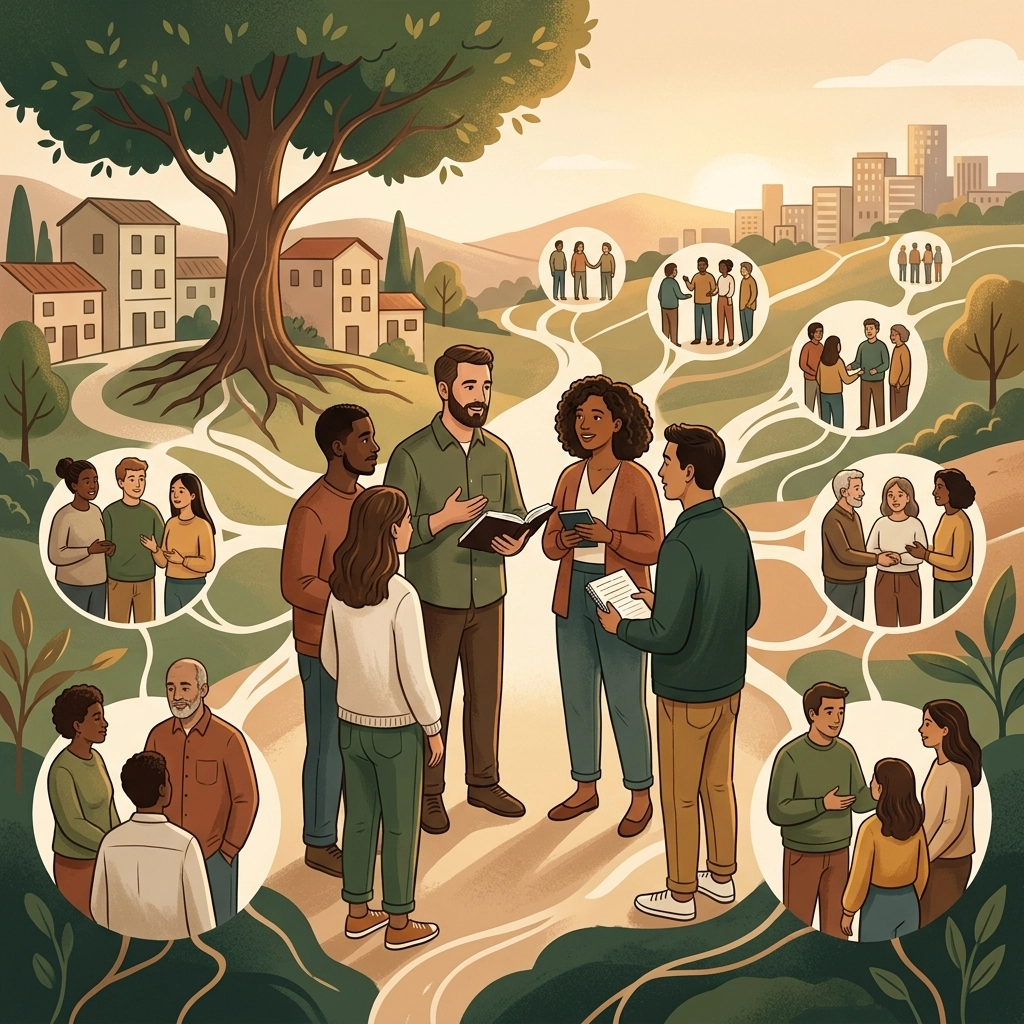
Family Network describes multiplication through a simple Ripple Effect.
Phase 1: Individuals Encounter the Real Jesus
Everything begins with a genuine encounter with Jesus.
Not a program. Not a brand. Not a leadership strategy.
A person discovers the grace, authority, truth, compassion, and mission of the living Christ. As The Real Jesus – Disciple-making Series | Book 1, Third Edition emphasizes, Jesus is not merely a subject to study. He is the One we follow.
Phase 2: Disciple-Makers Multiply
Those individuals begin helping others follow Jesus: in homes, coffee shops, workplaces, schools, neighborhoods, and church gatherings.
The movement becomes visible when people who were once recipients become faithful servants, mentors, leaders, and senders.
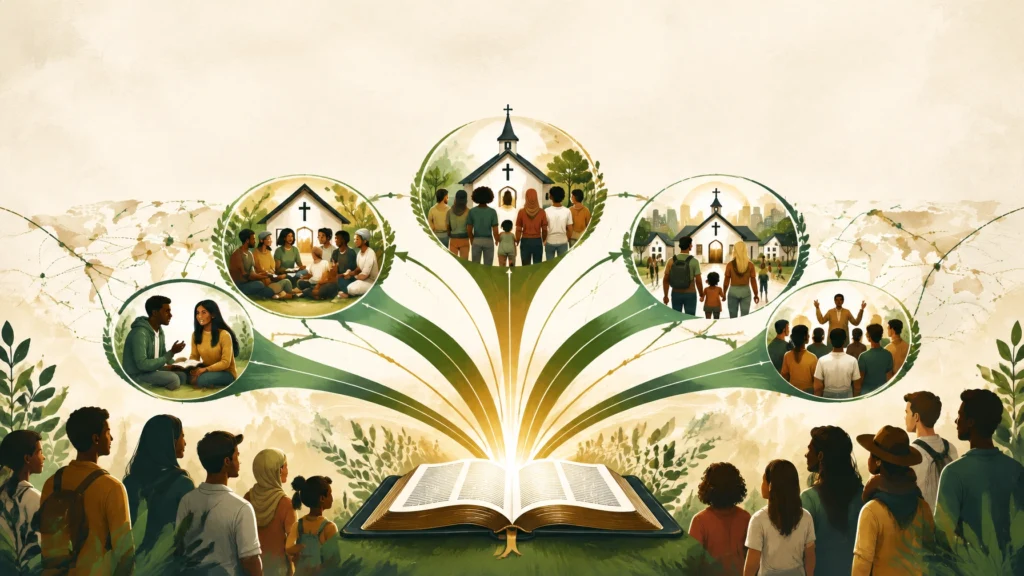
Phase 3: Communities and Generations Are Transformed
As disciple-makers multiply, the impact reaches families, workplaces, neighborhoods, and future generations.
This is where church planting belongs: not as an institutional expansion project, but as an expression of discipleship reaching new people and new places.

What Should You Measure?
If your church values multiplication, your dashboard should reflect it.
Alongside attendance and giving, consider tracking:
✔ Number of intentional discipleship relationships
✔ Number of disciples who are now discipling others
✔ Number of apprentices in development
✔ Number of new groups, teams, or missional communities
✔ Number of leaders sent into new ministry contexts
✔ Number of churches or gatherings being planted
✔ Percentage of resources directed toward outward mission
What gets celebrated gets repeated.
Tell the stories of people who are learning to pray with neighbors, mentor younger believers, lead new groups, plant churches, and serve their communities.
The metrics do not replace prayer or discernment. They help you see whether your stated mission is becoming a lived reality.
Your Next Step
You do not need to redesign your entire church in one month.
Start with a conversation.
Gather a few trusted leaders and ask:
- Where is Jesus already working among us?
- What is keeping us focused on maintenance?
- Who are the people we should begin apprenticing?
- What simple disciple-making rhythm can we practice this month?
- What would multiplication look like in our community?
Family Network exists to come alongside churches with training, coaching, resources, leadership development, church planting strategy, and practical partnership.
You can explore the Family Network pathway, learn about the Disciple Making Shift Seminar, or start a conversation with our team.
There is no pressure to take a larger step than your church is ready to take.
Simply begin where you are.
The mission is too important to carry alone, and the family of God is stronger when we move together.
The future of the Church isn’t addition. It’s multiplication.
High-Impact Social Media Clip
The Church was never meant to grow only by addition.
Jesus formed disciples who made disciples, developed leaders who empowered others, and sent ordinary people into new places with the good news.
So ask your church:
Are we gathering crowds: or sending disciple-makers?
Are we preserving ministry: or multiplying mission?
Are we building one strong church: or helping churches take root in new communities?
The future of the Church isn’t addition. It’s multiplication.