By Dr. Adam Grill, Founder of Family Network
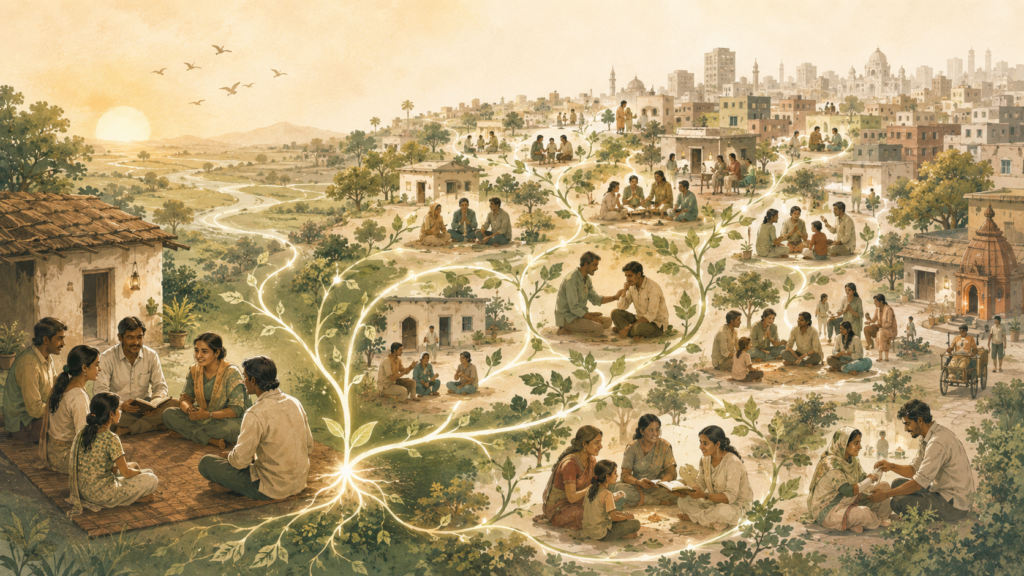
A disciple-making movement is not complete when one person follows Jesus.
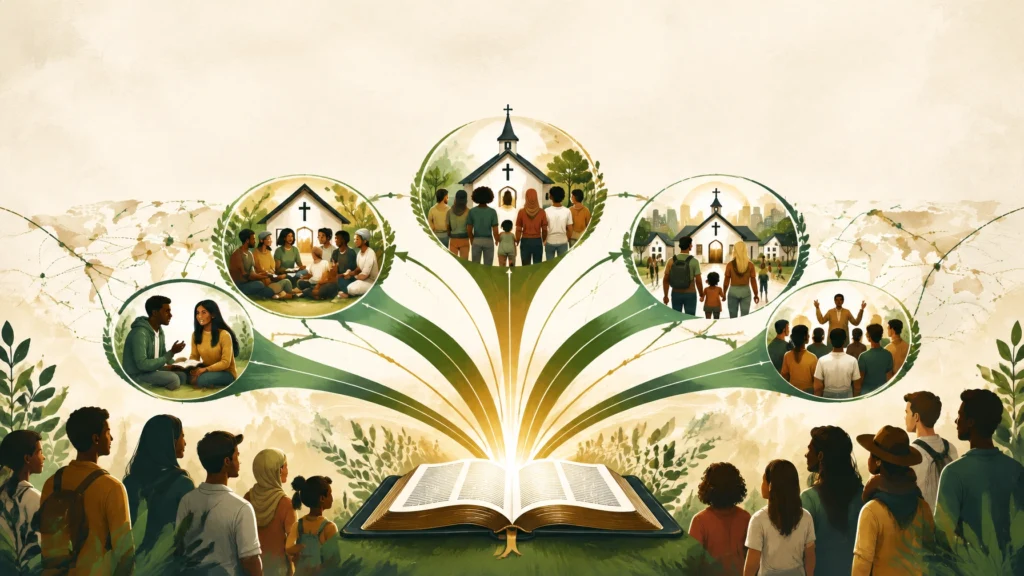
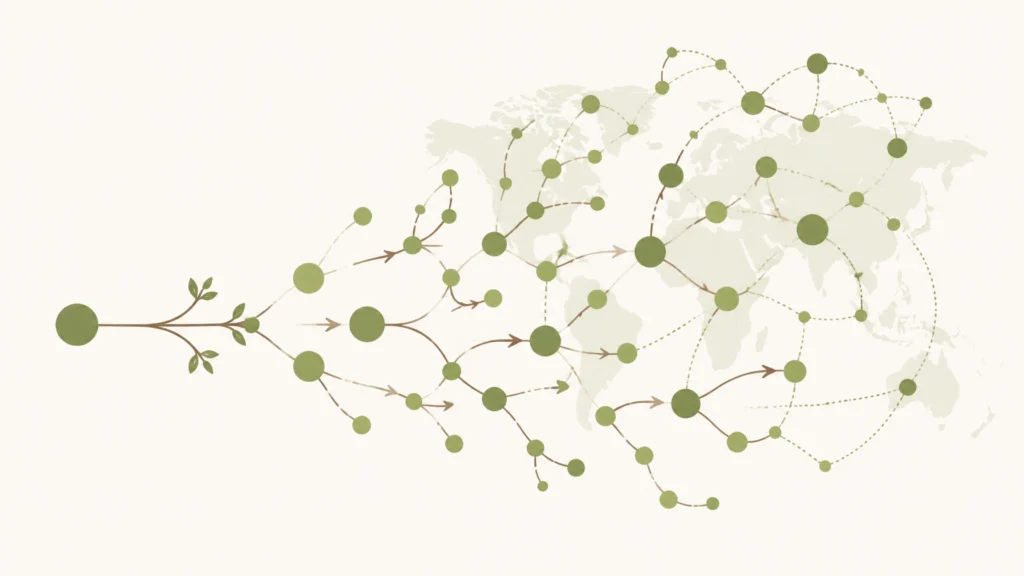
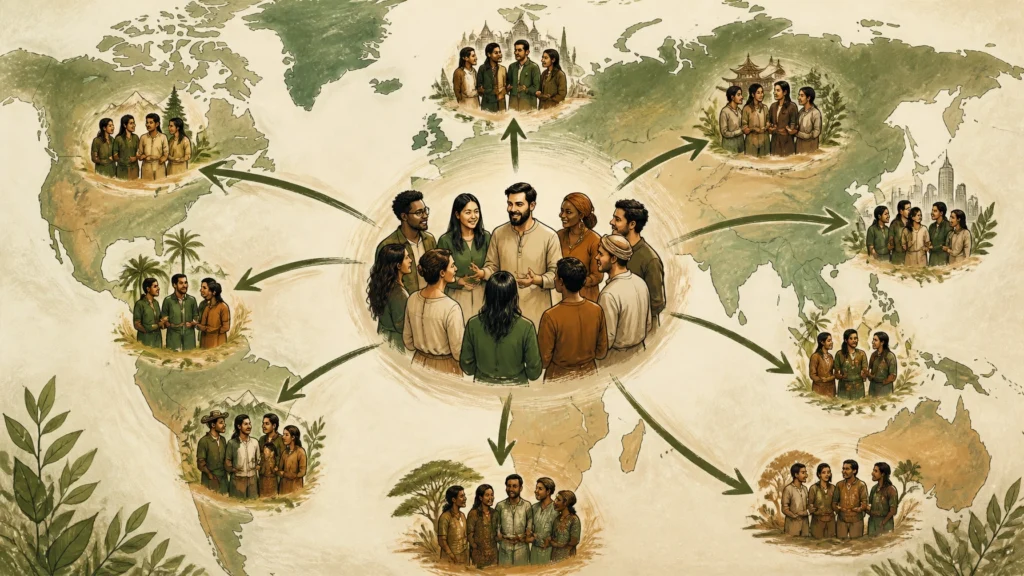
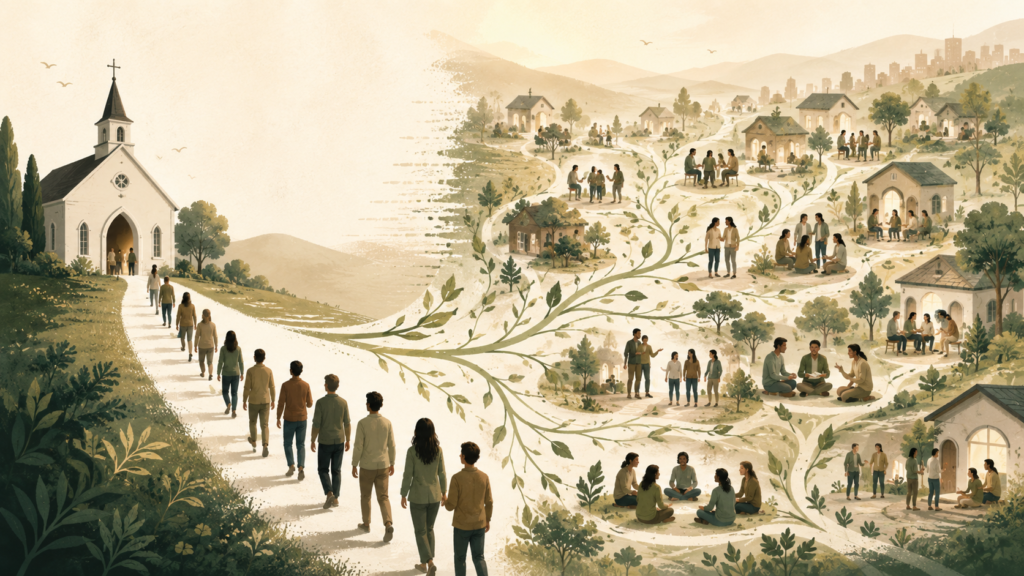
It becomes a movement when that disciple helps someone else follow Jesus, and that person does the same across generations.
Jesus’ command is both personal and exponential: “Therefore go and make disciples of all nations” (Matthew 28:19, NIV). Paul gave Timothy the same multiplication pattern: “Entrust to reliable people who will also be qualified to teach others” (2 Timothy 2:2, NIV).
Paul. Timothy. Reliable people. Others.
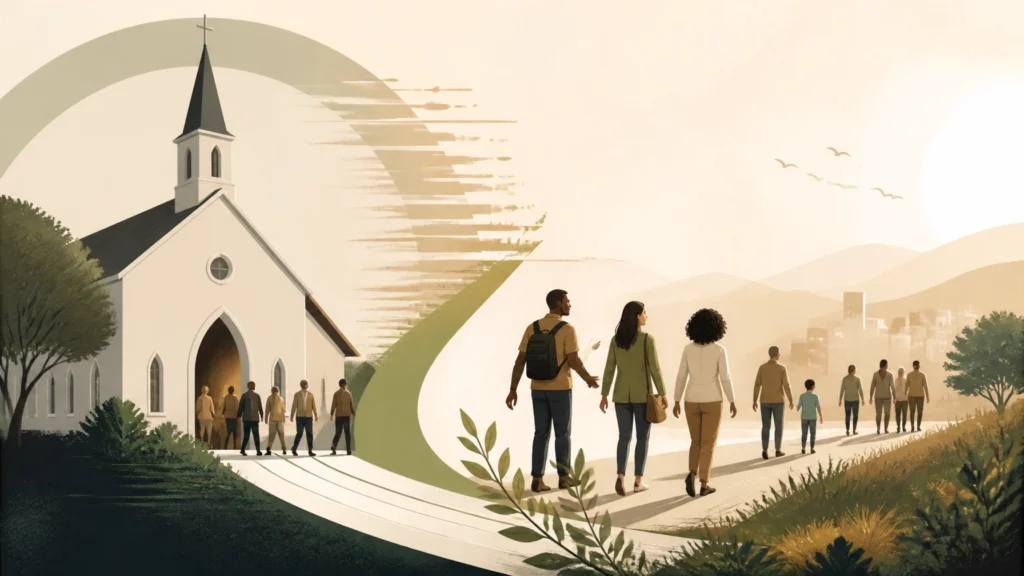
The future of the Church is not merely addition. It is faithful multiplication across generations.
The Generational Gap Is a Discipleship Gap
Many churches sincerely want to reach the next generation. Yet too often, generations remain separated into ministry silos: children in one room, students in another, adults somewhere else, and older believers largely disconnected from the whole process.
That structure may organize a Sunday morning.
It does not necessarily form a disciple-making movement.
Barna research has found that only 19% of Christians say their church provides opportunities for cross-generational interaction. The same research reports that more than 40% of Christian adults would feel comfortable having meaningful conversations about discipleship at church, while fewer than one in three Christian Boomers say they are currently being discipled. Read more from Barna’s research on intergenerational ministry.
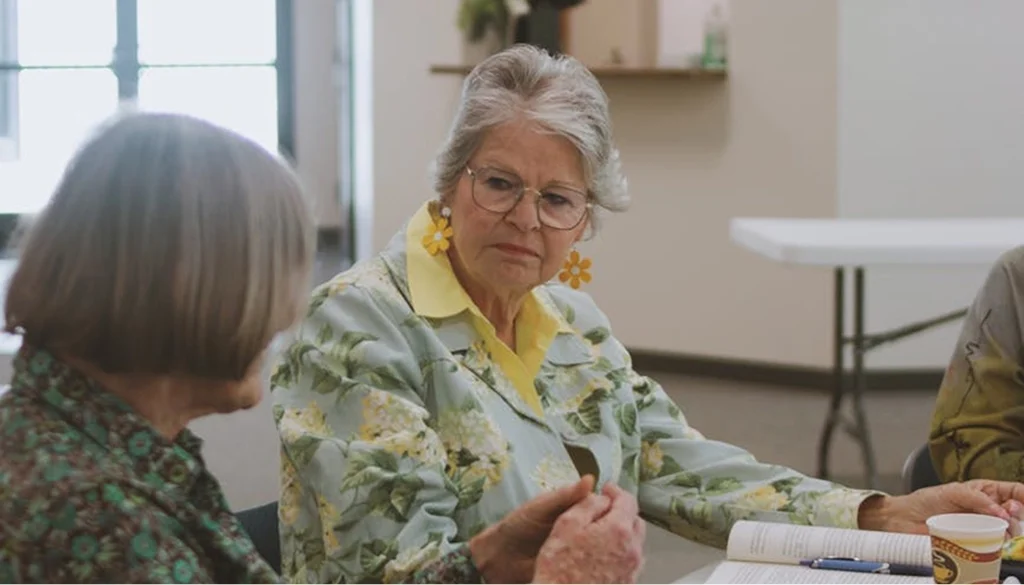
The need is clear: younger people need spiritual family, and older people need meaningful opportunities to invest what God has taught them.
Gen Z is not absent from the discipleship conversation. Lifeway’s 2026 State of Discipleship: Generation Z analysis found that 56% of Gen Z respondents had been discipled or mentored one-on-one by a more spiritually mature Christian. At the same time, Gen Z scored higher than older generations in areas such as sharing Christ and building relationships, while scoring lower in exercising faith and living unashamed.
Every generation brings strengths.
Every generation needs formation.
Intergenerational discipleship creates the environment where those strengths and needs meet.

Explore: Recover Jesus’ Relational Model
In The Real Jesus: Volume 1 (The Path to Purpose), Book 1 of The Real Jesus disciple-making series, we see Jesus not simply as the object of our faith, but as the model for our mission.
Jesus called people to follow Him before He sent them to represent Him.
He formed disciples through proximity, conversation, correction, service, prayer, and shared mission. His method was deeply relational and remarkably reproducible. He did not build His ministry around transferring information to anonymous crowds. He invested in people who could carry His life and teachings forward.
This is the foundation of intergenerational disciple-making.
You are not just trying to teach a younger person a lesson. You are inviting them to observe a life surrendered to Jesus.
You are not merely preserving traditions. You are helping another generation encounter the living Christ.
Begin by asking your church family:
- Who are the mature believers God has placed among us?
- Which children, students, and young adults need spiritual family beyond their immediate household?
- Where are generations already connecting naturally?
- What barriers keep those relationships from becoming intentional?
✔ Create shared worship and service opportunities.
✔ Invite older and younger believers to pray together.
✔ Celebrate stories of obedience, witness, and spiritual growth, not only attendance.
✔ Teach every age group that they are both disciples and potential disciple-makers.
Intergenerational ministry is not a side program.
It is a culture shift in how the body of Christ understands belonging.
Multiply: Build Discipling Relationships, Not Just Age-Based Programs
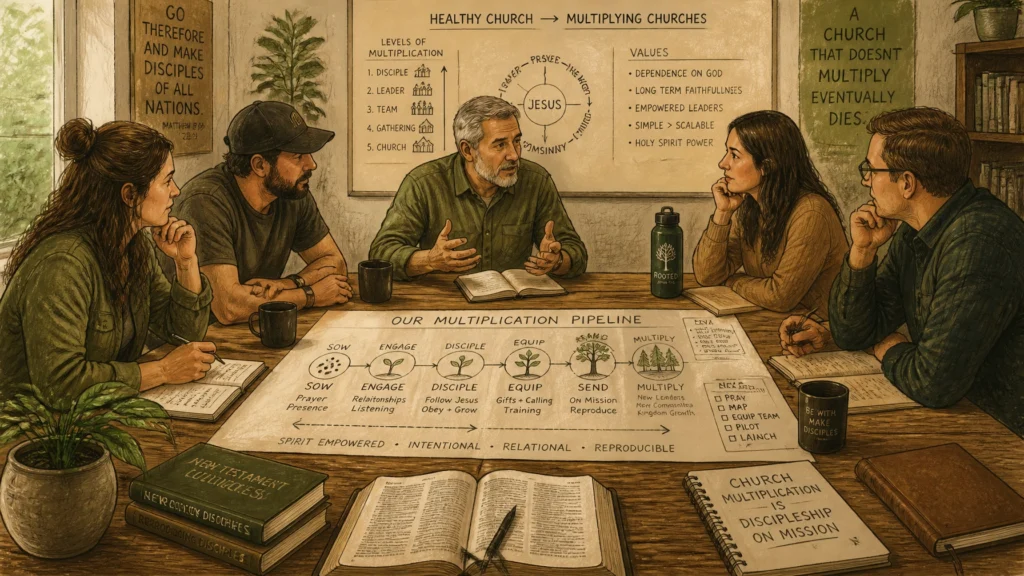
A movement advances when people are equipped to reproduce what they have received.
That means your church must move beyond asking, “How many children attended?” or “How many students came to youth group?” Those questions may be useful, but they do not fully measure disciple-making.
Ask better questions:
- Are children learning to pray and obey Jesus?
- Are students learning to share what God is teaching them?
- Are adults intentionally investing in younger believers?
- Are older disciples being encouraged and equipped to continue making disciples?
- Are new leaders emerging from every generation?
In The Real Jesus: Volume 2 (The Power of Presence), Book 2 of The Real Jesus disciple-making series, the emphasis on presence reminds us that transformation happens through embodied, consistent relationships.
People learn discipleship by seeing it lived.
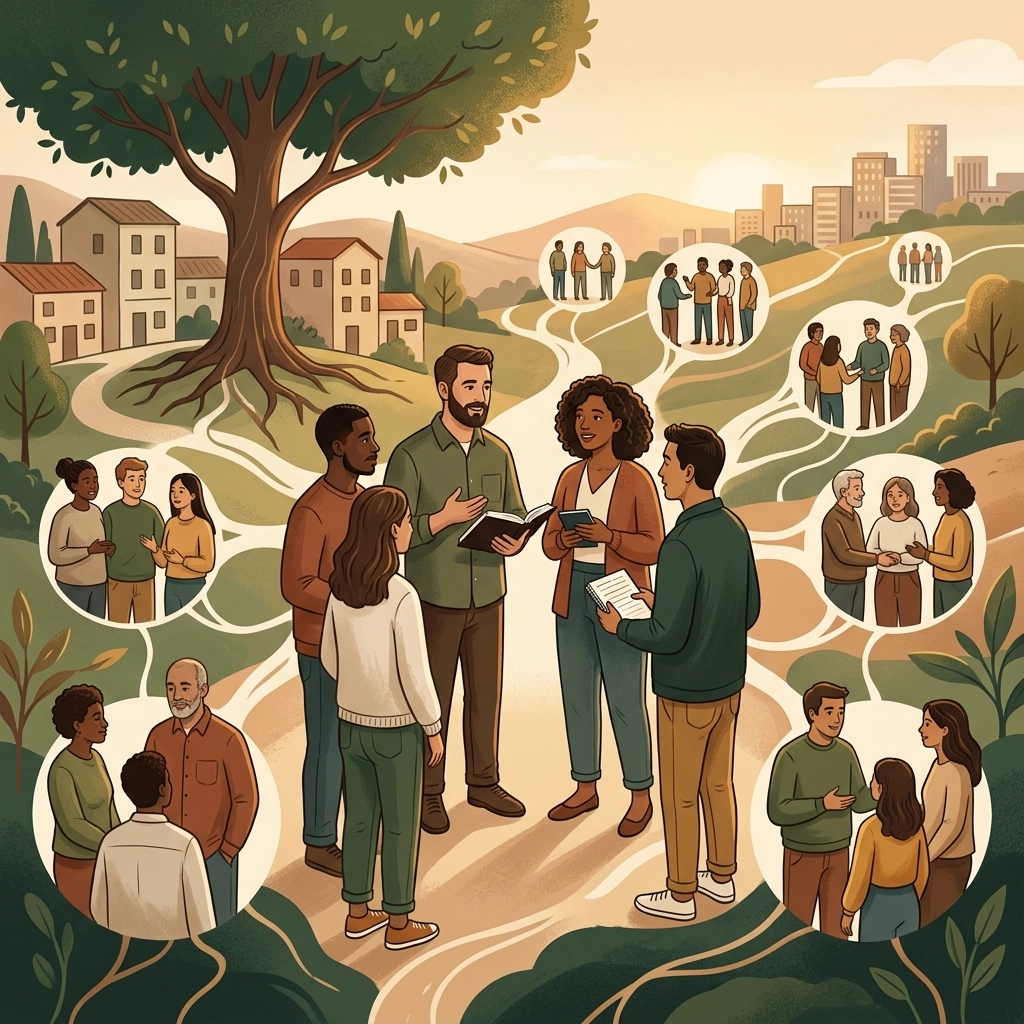
A grandfather who prays with a teenager teaches more than prayer technique. A young adult who invites an older believer into a neighborhood outreach project demonstrates that mission belongs to every generation. A child who serves alongside the church family discovers that they are not merely the future of the Church, they are part of its present mission.
Consider establishing simple, repeatable relationships such as:
- A six-month mentoring connection between mature believers and younger disciples.
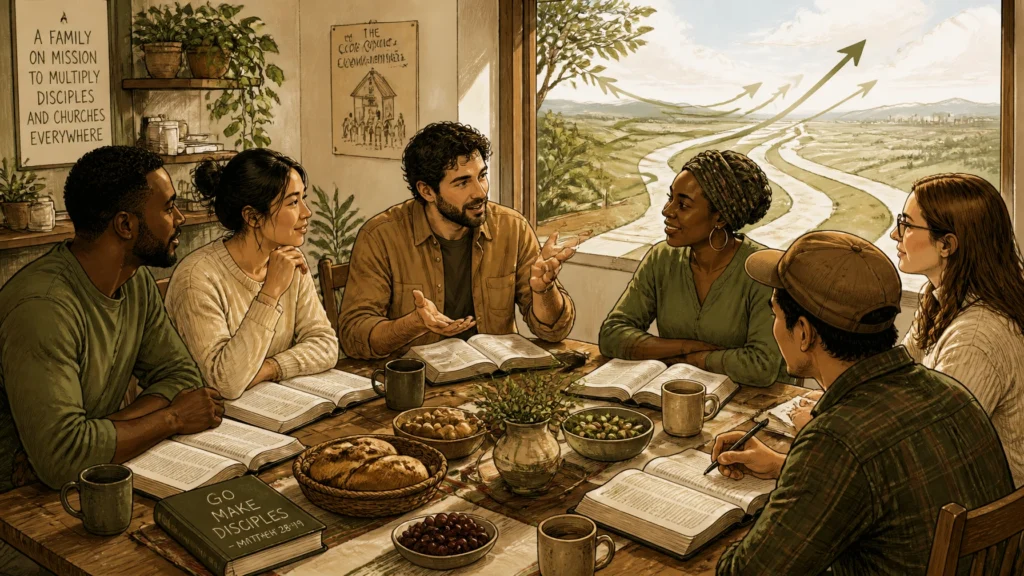
- Intergenerational Bible conversations using a shared passage and three questions: What does this show us about God? What is Jesus inviting us to obey? Who can we encourage with this truth?
- Mixed-age service teams that allow people to learn through action.
- Testimony nights where older and younger believers share how Jesus is working in their lives.
- Leadership apprenticeships in children’s ministry, worship, hospitality, outreach, and church planting.
The goal is not to create another complicated program.
The goal is to make obedience reproducible.

Strengthen: Align Home, Church, and Mission
Research consistently points to the importance of the home in spiritual formation. Yet many families feel unprepared to lead meaningful discipleship conversations, while many churches assume that programs will carry the full responsibility.
The answer is not home versus church.
It is home and church, aligned around Jesus and His mission.
Your church can strengthen this alignment by equipping parents, grandparents, mentors, and ministry volunteers with simple tools. Give families a clear language for talking about Scripture, prayer, service, forgiveness, and witness.
Then connect those practices to the wider church family.
A child should see that the faith practiced at home is the same faith embodied in worship, community, and mission. A teenager should have trusted adults who know their name and will walk with them through doubt. A young adult should have access to both seasoned wisdom and meaningful opportunities to lead.
✔ Provide short, practical discipleship guides for households.
✔ Train ministry leaders to facilitate intergenerational conversations.
✔ Include children and students in appropriate acts of service and outreach.
✔ Develop safety, communication, and mentoring structures that protect trust.
✔ Measure relational health, spiritual growth, and multiplication, not only program participation.
Healthy systems do not replace relationships.
They protect and support them.
Partner: Release Leadership Across Generations
Intergenerational disciple-making requires humility from every generation.
Older leaders must be willing to release responsibility, not merely give advice. Younger leaders must be willing to receive wisdom, not merely pursue innovation. Churches must create a culture where honor flows in both directions.
The older generation often carries tested faithfulness, biblical memory, and perseverance.
Younger generations often bring relational energy, cultural awareness, creativity, and a willingness to enter new spaces.
Together, they can catalyze a movement that neither generation could sustain alone.
This is strategic alignment at its best: not uniformity, but shared obedience.
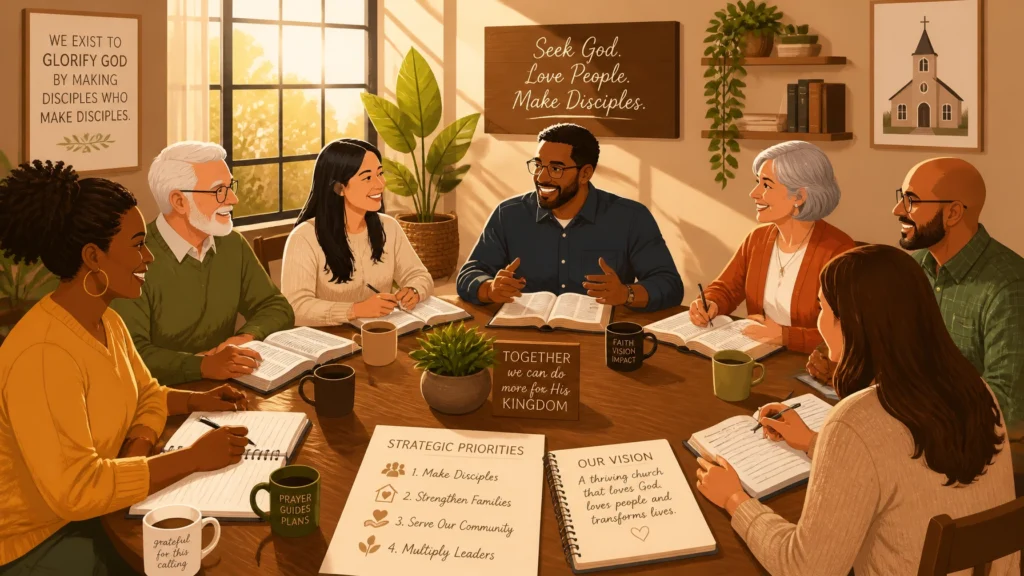
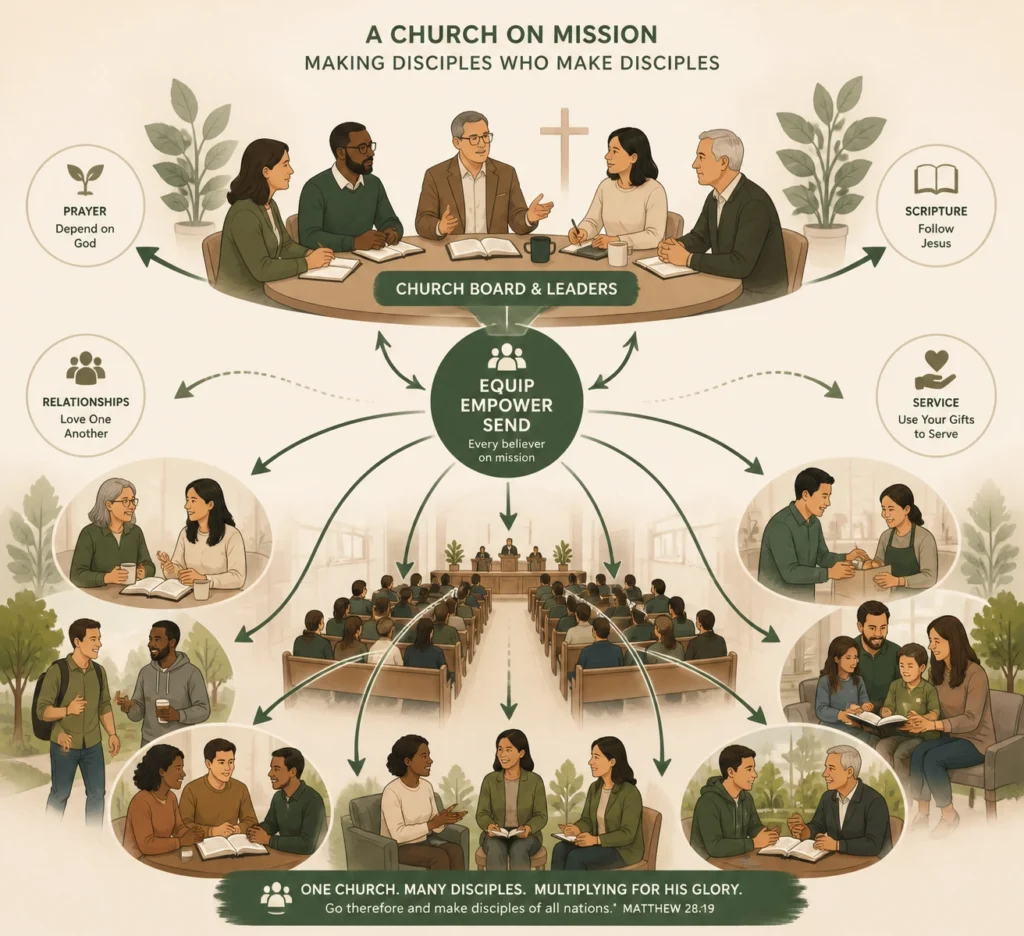
A pastor might begin by identifying five to ten people across different generations who already demonstrate spiritual hunger and relational influence. Meet with them regularly. Pray together. Study the life and methods of Jesus. Give each person one or two disciples to invest in. Then coach those emerging disciple-makers to do the same.
The leader’s role gradually shifts from doing everything to equipping others.
The movement grows when responsibility is distributed without abandoning accountability.
Integrate: Measure the Ripple Effect
A church that wants to multiply disciples must learn to see beyond the first generation.
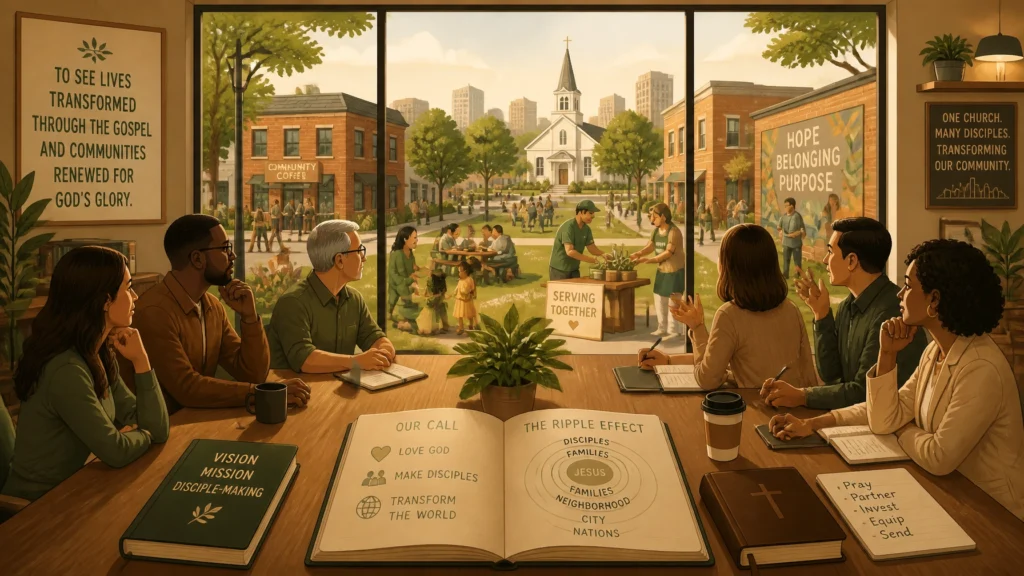
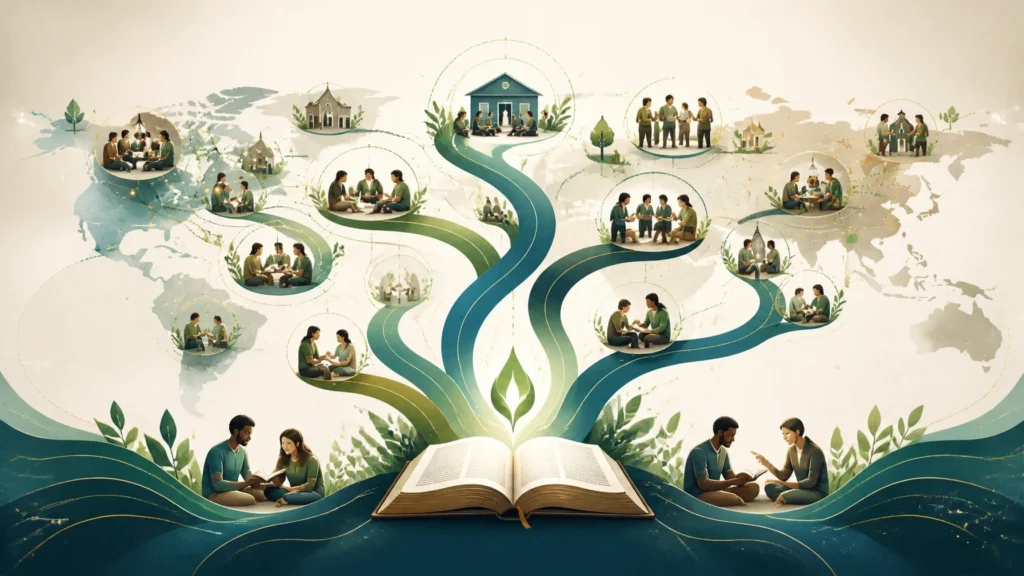
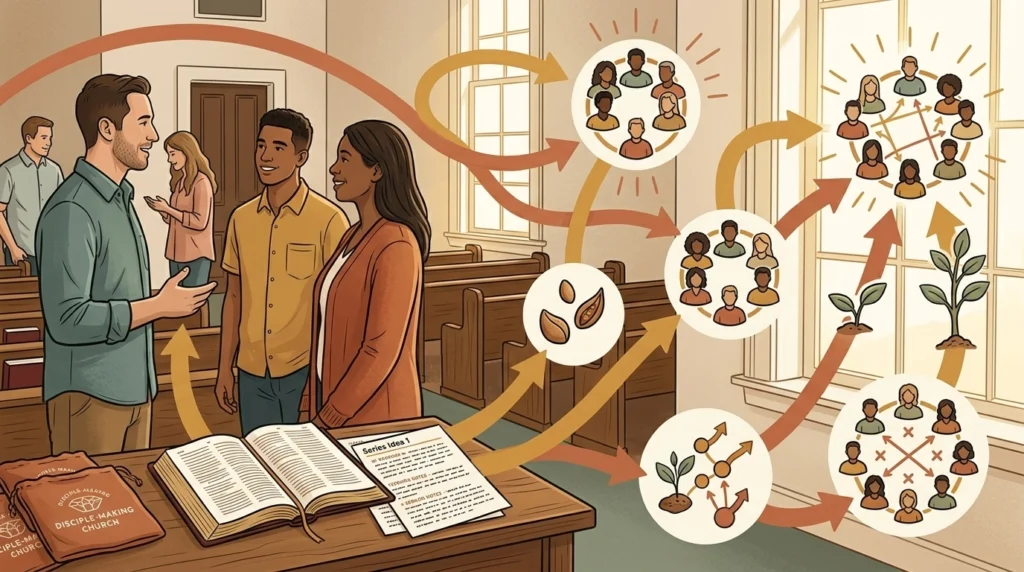
Track the ripple:
- A person encounters the real Jesus.
- That person begins following Jesus in community.
- They invest in another person.
- The next disciple begins making disciples.
- Families, workplaces, neighborhoods, and churches are transformed.
This is why generational depth matters. A ministry may have impressive attendance and still lack reproduction. Another church may appear small while quietly forming disciples who are multiplying in homes, coffee shops, schools, workplaces, and communities.
The question is not simply, “How many are coming?”
The deeper question is, “Who is being sent, and who are they preparing to send?”
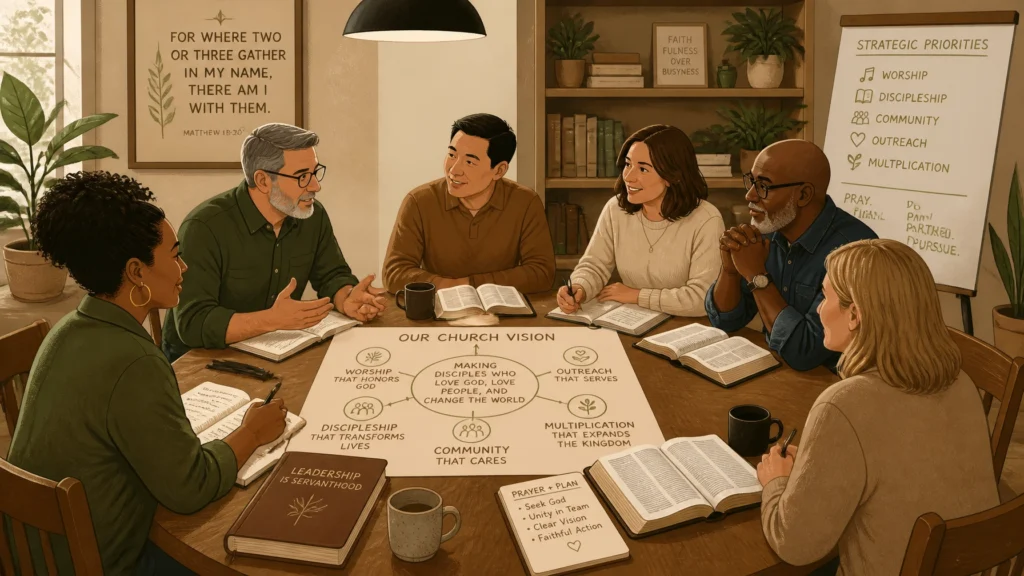
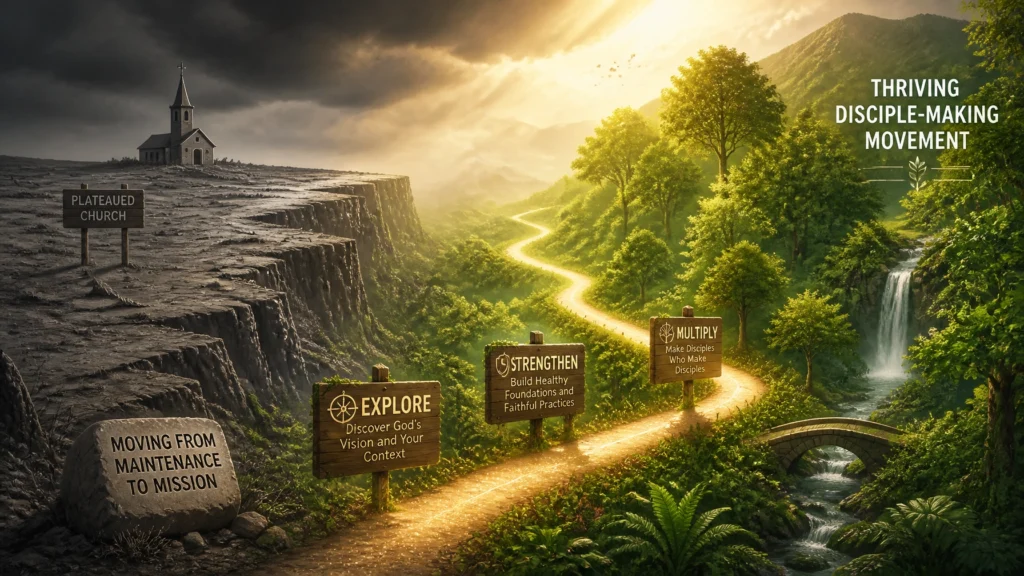
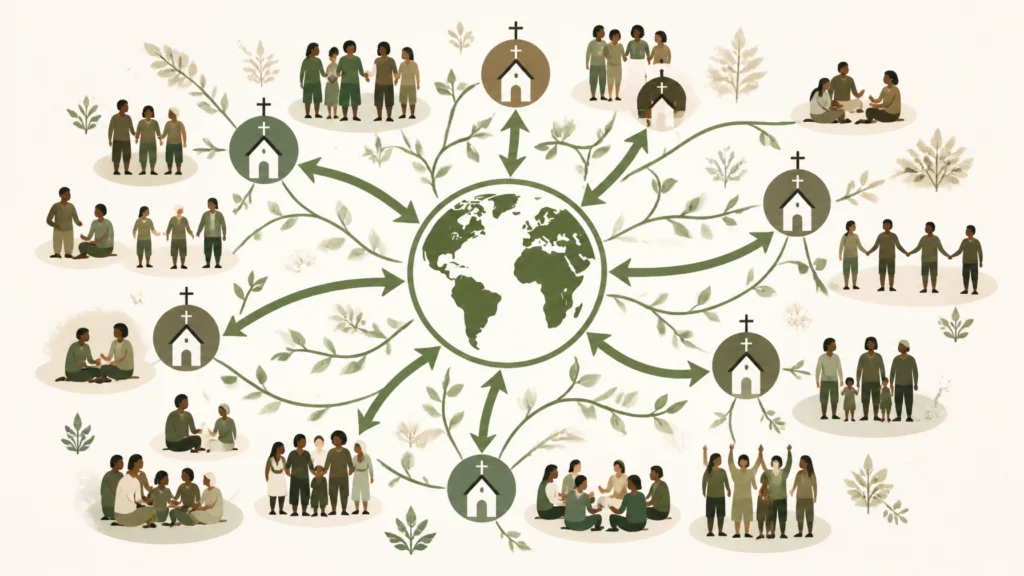
At Family Network, our five interconnected pathways help churches move from vision to movement:
- Explore: discover a new vision for disciple-making.
- Multiply: develop a culture of intentional, reproducible discipleship.
- Strengthen: build ministry systems that support healthy growth.
- Partner: pursue coaching, leadership development, and church multiplication strategy.
- Integrate: align campuses, teams, and resources around one shared mission.
You do not have to redesign everything at once.
You can begin with one faithful relationship.
Start with One Generation-Spanning Yes
Imagine what could happen if every mature disciple invested in one younger believer.
Imagine if every student learned that they could help someone else follow Jesus.
Imagine if every church measured not only crowds gathered, but disciple-makers released.
That is how movements cross generations.
✔ Identify one person you can intentionally disciple.
✔ Invite one person from another generation into a shared mission.
✔ Open Scripture together and practice obedience.
✔ Pray for the next person God wants you to encourage.
✔ Start a conversation with your leaders about becoming more intentionally intergenerational.
The Church is a family.
Families grow stronger when wisdom is shared, leadership is released, and every generation finds its place in the shared mission of Jesus.
If your church is ready to explore what intergenerational multiplication could look like in your context, start a conversation with Family Network. You can also explore the Family Network blog for practical resources on disciple-making movements, church multiplication, and moving from maintenance to mission.
The next generation is not waiting for a perfect church.
They are looking for a faithful family to walk with them toward Jesus.
High-Impact Social Media Clip
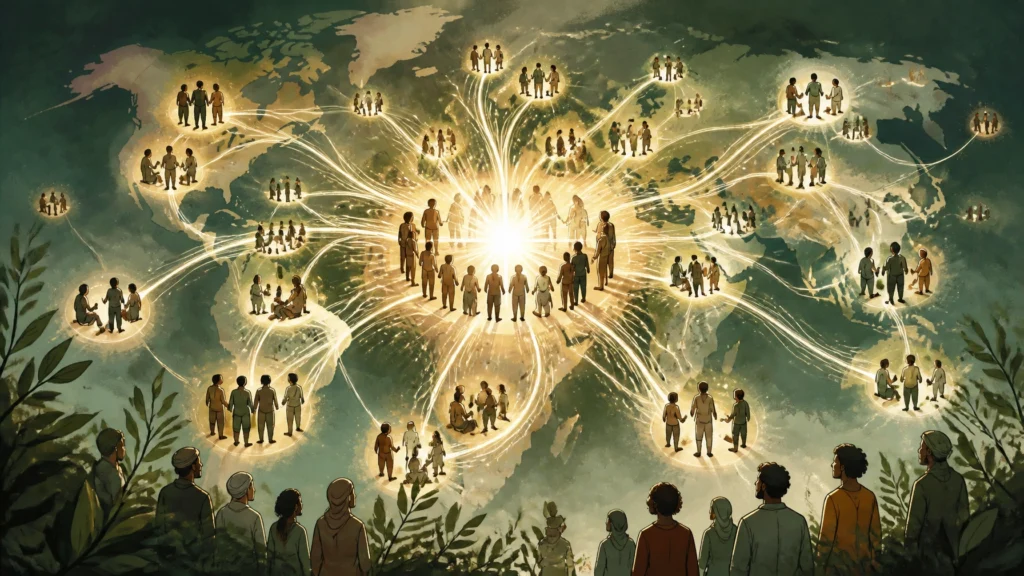
The future of the Church isn’t addition. It’s multiplication across generations. When older and younger disciples follow Jesus together, wisdom becomes mission, relationships become pathways, and one disciple can become four generations of disciple-makers. The movement begins with one faithful relationship. Read more: https://familynetwork.org/blog/