By Dr. Adam Grill
**** Part 1 of the three-part November Family Discipleship Series
Thanksgiving is more than a meal.
It is an opportunity to remember God’s faithfulness, honor the people He has placed in your life, and practice the way of Jesus together.
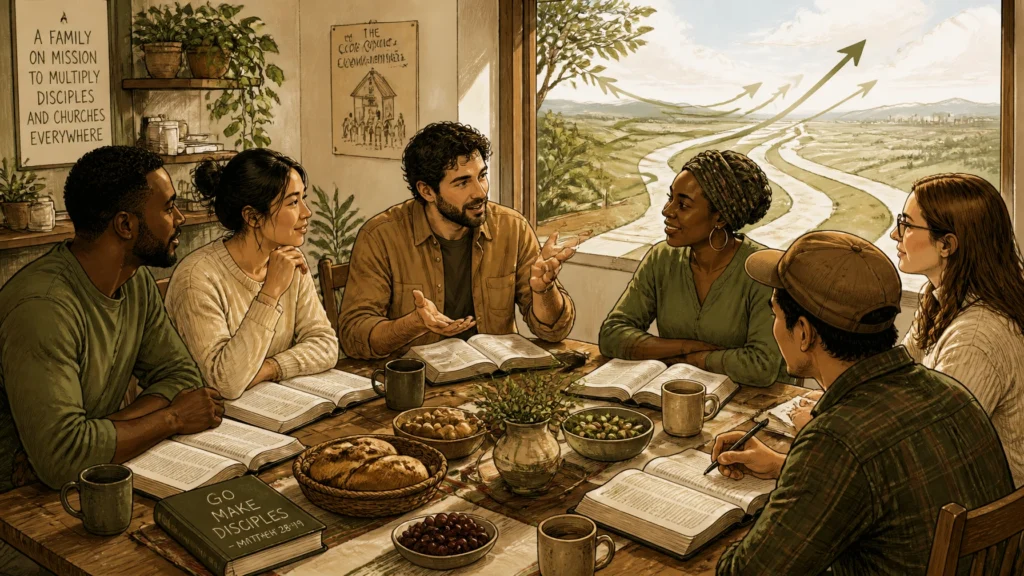
Your family table can become a place where faith is not merely discussed but demonstrated, through gratitude, service, prayer, forgiveness, and welcoming love.
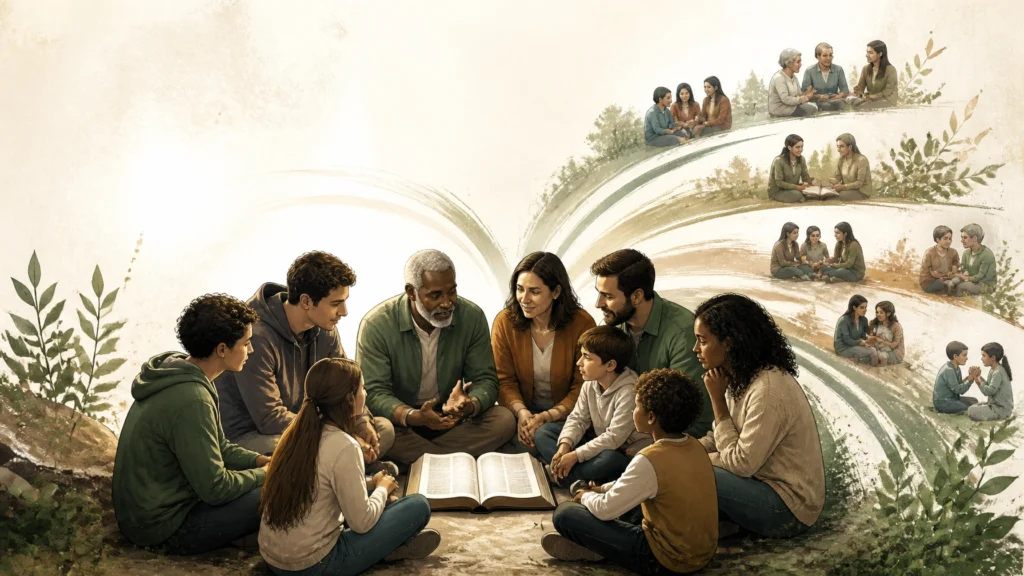
The future of family discipleship will not be built only in church classrooms.
It will be built in kitchens, living rooms, cars, front porches, and around tables where ordinary people learn to follow Jesus together.
Start with the vision: Make the gathering purposeful
Many families already have Thanksgiving traditions. Someone prepares a favorite recipe. Children set the table. Relatives travel long distances. Stories are repeated. Laughter fills the room.
These traditions matter.
But traditions can either form us intentionally or simply repeat themselves.
Family discipleship means using ordinary moments to help one another see God, respond to Jesus, and live with His mission in view. It does not require a perfect family, a long sermon, or a formal Bible study.
It requires attention.
The Bible gives us a simple foundation:
"Give thanks to the LORD, for he is good; his love endures forever.” Psalm 107:1, NIV
Thanksgiving begins not with what we have but with who God is.
That distinction matters. Gratitude is more than positive thinking. It is a response to the goodness, mercy, provision, and faithfulness of God.
In The Real Jesus: Book 1, Series 1, the emphasis is clear: Jesus is not simply someone we admire. He is the One we follow, obey, and help others discover. Around the Thanksgiving table, you have a natural opportunity to practice that kind of following together.
EXPLORE: Create space for honest gratitude
You do not need to force a profound spiritual moment. Begin with a question simple enough for everyone to answer.
Try one of these:
- What is one thing you are thankful for from this past year?
- Where did you see God’s faithfulness?
- Who helped you when life was difficult?
- What is one ordinary gift you often overlook?
- What is something you are hopeful about as you enter a new season?
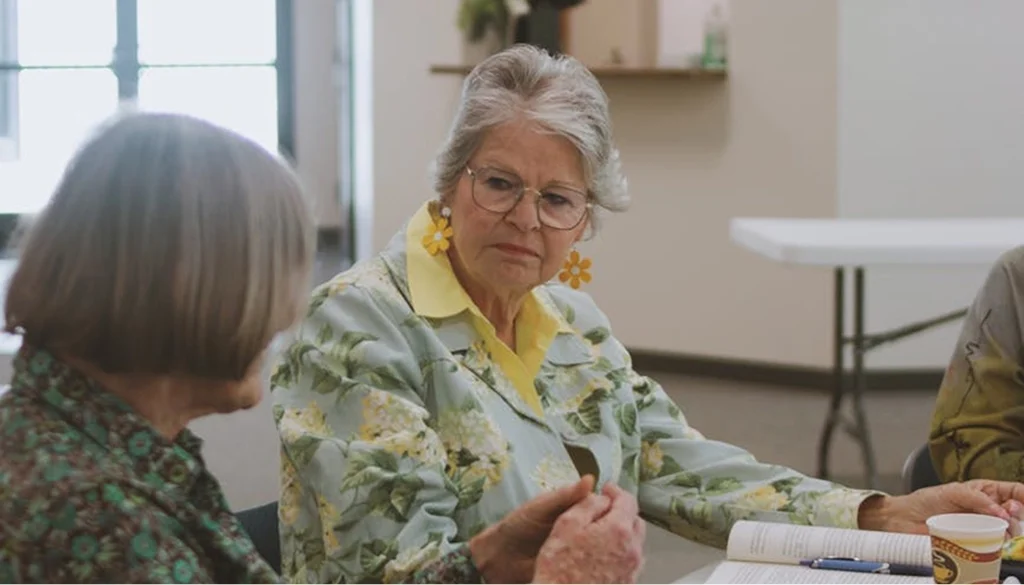
Let children answer first. Invite grandparents to share stories. Give quieter relatives room to participate without putting them on the spot.
Then connect the answers to God’s character.
You might say:
- “That reminds me that God is faithful.”
- “We can thank God for providing people who care for us.”
- “Even in a hard year, God has not left us.”
- “Gratitude helps us remember that every good gift comes from Him.”
Research on gratitude and family rituals consistently points toward the value of regular, meaningful practices. Shared meals and intentional conversations can strengthen family connection, emotional well-being, and empathy. But the spiritual opportunity is even greater: your family can learn to recognize God’s presence in both abundance and difficulty.

MULTIPLY: Turn one conversation into a family rhythm
A single Thanksgiving conversation may be memorable.
A repeated rhythm can become formative.
Consider starting a “faithfulness bowl.” Place slips of paper and pens beside the table. Throughout the day, each person writes one thing they are thankful for and places it in the bowl. During the meal, or later in the evening, read the responses aloud.
For families with young children, use pictures or have a parent write their answers. For families spread across multiple homes, invite relatives to send a text or voice recording that can be included in the celebration.
You can also create a Thanksgiving timeline. Ask each person to name one moment from the past year when they experienced:
- God’s provision
- A difficult lesson
- An answered prayer
- An unexpected kindness
- A chance to serve someone else
This helps your family remember that discipleship is not only about learning information. It is about interpreting life through the story of God.
Jesus said, “Follow me” (Matthew 4:19, NIV). Following Him includes learning to notice what He is doing and then responding with trust and obedience.
STRENGTHEN: Use the meal to practice prayer
Prayer does not need to be complicated.
Invite several people to pray short prayers around the table. One person can thank God for provision. Another can pray for relatives who could not attend. A child can pray for neighbors. A grandparent can pray for the next generation.
You might use this simple pattern:
- Thank God for who He is.
- Remember His faithfulness from the past year.
- Ask for help in areas of need.
- Pray for people who do not yet know Jesus.
- Offer your family to God for His purposes.
You can also read a short passage before the meal. Psalm 107:1 is a natural choice. Luke 17:11–19, the account of Jesus healing ten people and one returning to give thanks, can lead to a meaningful question:
What does it look like to return to Jesus with gratitude?
Keep the conversation accessible. The goal is not to impress your relatives with spiritual vocabulary. The goal is to help everyone take one honest step toward Jesus.
STRENGTHEN: Honor one another around the table
Thanksgiving is an ideal time to practice the words of Jesus:
“Love one another. As I have loved you, so you must love one another.”
, John 13:34, NIV
Try an “honor round.” Each person names someone at the table and completes this sentence:
“I thank God for you because…”
This practice can feel awkward at first. That is normal.
Give people permission to keep their answers brief. Children can thank someone for playing with them. Teenagers can recognize a parent’s sacrifice. Adults can honor an older family member’s faithfulness. A spouse can speak encouragement in front of the family.
Words of affirmation help create a culture where people look for grace in one another instead of only noticing faults.
And for families carrying tension, this can become a gentle first step toward reconciliation. Jesus teaches His followers to forgive, pursue peace, and treat one another with mercy. Thanksgiving does not erase complicated history, but it can create room for a new response.
MULTIPLY: Let gratitude become service
Gratitude that never moves outward can become self-focused.
Jesus teaches us to receive God’s gifts and then become generous with them.
Choose one service activity your family can do together before or after Thanksgiving:
✔ Prepare a meal for a neighbor who lives alone.
✔ Donate groceries to a local food pantry.
✔ Write encouragement cards to teachers, first responders, or ministry volunteers.
✔ Visit someone who is elderly, sick, or grieving.
✔ Invite a newcomer, coworker, or student to share your table.
✔ Set aside part of your holiday budget to meet a practical need.
Make the activity personal and participatory. Let children help choose the recipient. Let teenagers organize the supplies. Let grandparents share wisdom about generosity.
Then ask:
- Who did we serve?
- What did we learn about their story?
- How did serving change us?
- Where might Jesus be inviting us to serve next?
Family service helps children see that outreach is not a special assignment reserved for church professionals.
It is a normal way of life for people who follow Jesus.

PARTNER: Disciple relatives who may not attend church
Some of the people at your Thanksgiving table may not attend church.
They may be skeptical, wounded, spiritually curious, or simply uninterested. They may have experienced Christians who talked loudly about faith but did not live with humility and love.
Your task is not to pressure them.
Your task is to welcome them.
Here are low-pressure ways to point relatives toward Jesus:
- Ask about their story before sharing your own.
- Listen without immediately correcting or debating.
- Share one sentence about how Jesus has helped you recently.
- Offer to pray for a specific need, but accept “no” graciously.
- Invite them into a service activity rather than only a church service.
- Send a thoughtful follow-up message after the holiday.
- Keep showing up consistently throughout the year.
A simple statement can open a meaningful conversation:
“Our family is trying to become more intentional about gratitude and serving others because of Jesus. Would you be willing to tell me what you are thankful for this year?”
That is an invitation, not a sales pitch.
Disciple-making begins with relationship, trust, and a willingness to walk alongside people. Sometimes the most powerful witness at Thanksgiving is a family that makes room, listens well, serves quietly, and loves without an agenda.
INTEGRATE: Carry the practice beyond Thanksgiving
The holiday should be a launch point, not a finish line.
Choose one rhythm to continue through December:
✔ A five-minute gratitude conversation at dinner once a week.
✔ A short family prayer before school or work.
✔ One service project each month.
✔ A weekly Scripture reading using the 50 Commands of Christ.
✔ A monthly meal with someone outside your immediate family.
✔ A follow-up conversation with a relative who is exploring faith.
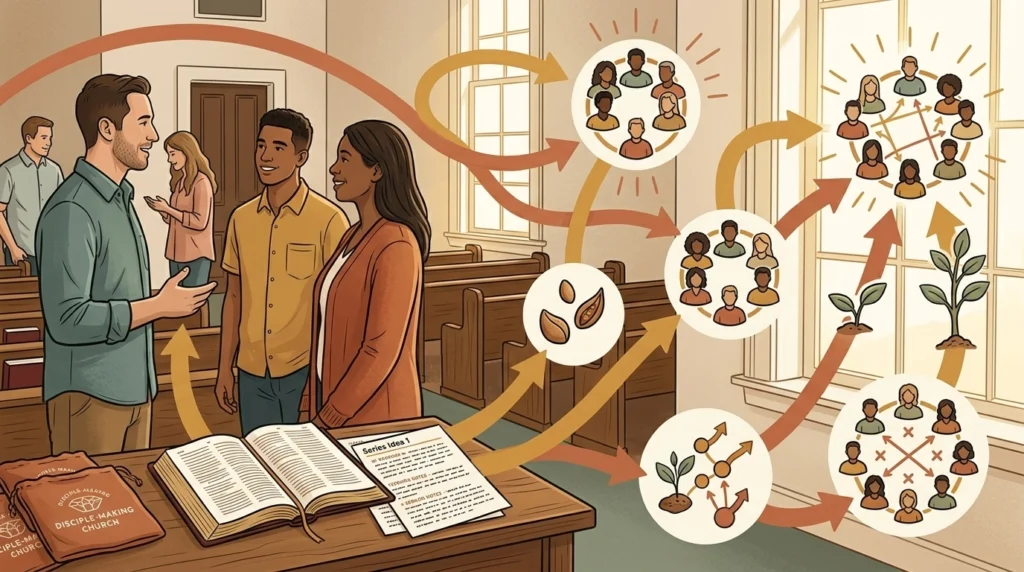
At Family Network, we believe ordinary people can become outreach-focused disciple-makers. That vision starts closer than many of us realize.
It starts with your family.
It starts with the people already around your table.
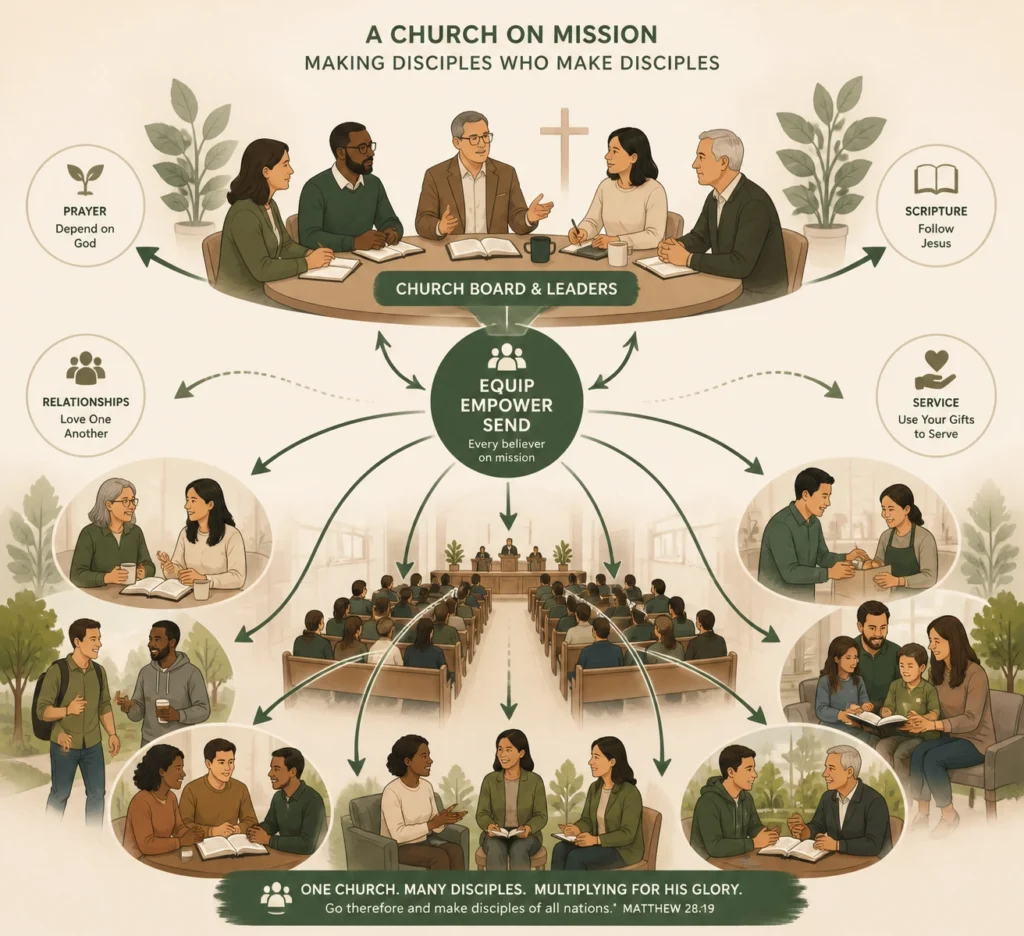
Family Network comes alongside churches and leaders through a practical pathway of exploration, disciple-making, resourcing, partnership, and integration. The goal is not to create more religious activity for its own sake. The goal is to help people follow the real Jesus and help others follow Him too.
You do not need to lead your family perfectly.
You can simply begin.
Ask one good question. Read one Scripture. Pray one honest prayer. Serve one neighbor. Invite one person into deeper conversation.
A purposeful Thanksgiving may look ordinary from the outside.
In the hands of God, ordinary faithfulness can become the beginning of a movement.
If you would like to explore how your church can equip more families to become disciple-makers, start a conversation with Family Network.
High-impact social media clip
Thanksgiving is more than a meal: it is a discipleship opportunity.
Around your table, you can teach your family to notice God’s faithfulness, practice honest gratitude, pray for others, serve your neighbors, and welcome relatives who may not attend church.
You do not need a perfect family or a long lesson.
Ask one good question. Read one Scripture. Pray one honest prayer. Serve one person.
The table can become a launching place for ordinary people to follow Jesus and help others follow Him too.
Read the full post: Gather Around the Table: How to Disciple Your Family Through Thanksgiving